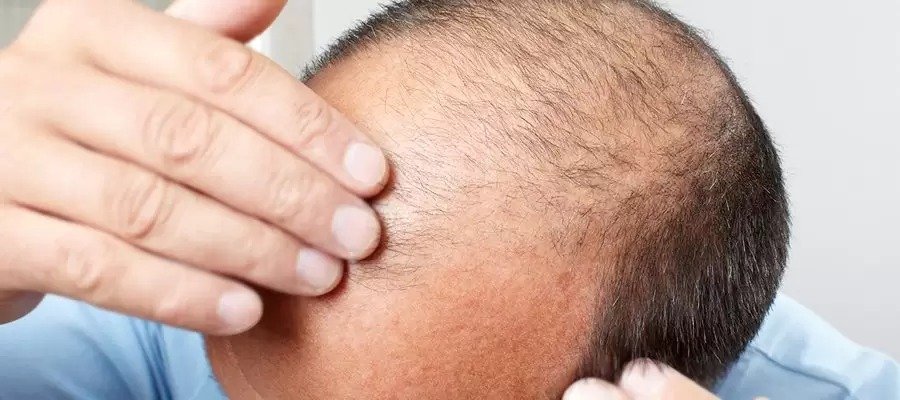
Choosing the right pigment shade is one of the most important aspects of achieving a natural-looking scalp micropigmentation result. Although the procedure uses tiny deposits of pigment to replicate the appearance of closely shaved hair follicles, the outcome depends on much more than simply selecting a color that resembles the patient’s existing hair. Skin tone, natural hair color, hair density, scalp visibility, age, facial features, and the desired visual effect can all influence the final shade selection.
For individuals considering Scalp Micropigmentation Dubai, understanding how practitioners determine an appropriate pigment shade can make the consultation process more informative. A shade that looks suitable in a pigment sample may appear noticeably different once placed on the scalp because skin undertones, lighting conditions, and surrounding hair can alter visual perception.
Professional practitioners generally aim to create subtle follicular impressions rather than an obviously pigmented scalp. The objective is to produce dots that blend with the patient’s natural appearance and maintain a believable relationship between the scalp and existing hair.
Skin Tone and Undertones
Skin tone is one of the first factors considered when determining an appropriate pigment shade. Fair, medium, olive, brown, and deeper skin tones can interact differently with implanted pigment.
However, surface skin color is only part of the assessment. Undertones may also affect how a pigment appears after treatment. A person’s skin may have warm, cool, neutral, or mixed undertones, and these characteristics can influence the perceived intensity of the pigment.
This is why selecting a pigment solely from a color chart may not provide an accurate representation of the eventual result. A qualified practitioner evaluates the patient’s scalp directly and considers how the chosen shade is likely to integrate visually with the surrounding skin.
Natural Hair Color
Existing hair color is another major consideration. Scalp micropigmentation is commonly designed to resemble short hair follicles, so the pigment generally needs to complement the patient’s natural hair rather than simply match the darkest visible strand.
Black hair, dark brown hair, medium brown hair, blonde hair, and gray hair can require different approaches. For example, using an extremely dark pigment on someone with lighter hair may create excessive contrast and make the scalp treatment look artificial.
For individuals with partially gray hair, pigment selection may also need to account for the relationship between darker strands and lighter hairs. The practitioner may focus on creating an overall visual balance instead of attempting to reproduce every individual hair color.
Hair Density and Scalp Contrast
Hair density can influence how dark or subtle the pigmentation needs to appear. Someone with dense hair may require a different visual approach from a person with extensive thinning or a completely shaved scalp.
When natural hair is present around the treated area, the pigment should integrate with those follicles without creating an abrupt difference in appearance. If the scalp is highly visible, overly strong pigmentation can become more noticeable.
The goal is usually controlled contrast. Pigment should provide the visual impression of follicular density while remaining consistent with the surrounding hair and scalp.
Desired Hairstyle and Treatment Objective
The patient’s preferred hairstyle can also influence pigment selection. Someone planning to maintain a very closely shaved appearance may want a more defined follicular effect, while another person may prefer a softer appearance that blends with existing thinning hair.
Treatment objectives matter as well. Scalp micropigmentation may be considered for the appearance of thinning areas, a receding hairline, a shaved-head style, or the visual reduction of scalp contrast.
During consultation, discussing the preferred hairstyle and expected aesthetic effect helps the practitioner determine an appropriate pigment strategy rather than applying the same shade to every patient.
Pigment Formulation and Visual Stability
Pigment selection involves more than its initial appearance. The formulation, concentration, implantation depth, and interaction with the individual’s skin can influence how the treatment looks as it settles.
Professional treatment planning therefore considers how the pigment may appear after healing rather than judging it only immediately after application. Proper technique is important because excessive pigment concentration or inappropriate implantation can potentially affect the clarity and natural appearance of follicular impressions.
A conservative approach can be particularly valuable because adjustments can be made during subsequent sessions when necessary. It is generally easier to build subtle density progressively than to correct an overly intense result.
Lighting and Real-World Appearance
Lighting can significantly change how scalp pigmentation is perceived. A shade that looks appropriate under bright clinical lighting may appear different outdoors, indoors, or under warmer artificial lights.
Experienced practitioners take this into consideration when assessing pigment selection. The desired outcome should look natural in everyday environments rather than only under controlled consultation-room conditions.
Photographs may also be useful during treatment planning, but they should not replace an in-person assessment when an individualized pigment decision is required.
How to Choose the Right Provider for Scalp Micropigmentation Dubai
When researching Scalp Micropigmentation Dubai, patients should evaluate the provider based on several factors rather than focusing exclusively on promotional photographs.
Experience and Qualifications
Look for practitioners with appropriate training and practical experience in scalp micropigmentation. Experience with different skin tones, hair colors, hair-loss patterns, and treatment goals can be particularly valuable.
Technology and Techniques
Ask about the equipment, needles, pigments, sterilization procedures, and techniques used during treatment. Modern equipment can support precision, but practitioner technique remains a critical part of the overall outcome.
Safety Standards
A reputable provider should maintain strict hygiene and infection-control procedures. Single-use or appropriately sterilized equipment, clean treatment environments, and clear aftercare instructions are important considerations.
Consultation Process
A detailed consultation should involve an assessment of scalp condition, hair characteristics, skin tone, expectations, and desired hairstyle. Be cautious of providers that recommend a shade without properly evaluating these factors.
Patient Experience
Clear communication before and after treatment can make the process easier to understand. The provider should explain realistic outcomes, potential limitations, healing expectations, and whether multiple sessions may be appropriate.
Expected Results
Patients should look for realistic, natural-looking results rather than guarantees. Individual healing, skin characteristics, existing hair, and practitioner technique can all influence the final appearance.
Frequently Asked Questions
Can the pigment shade be customized?
Yes. Pigment selection can be adjusted according to skin tone, undertones, natural hair color, scalp visibility, and the patient’s desired aesthetic outcome.
Should scalp micropigmentation always use black pigment?
No. Pure black is not automatically appropriate for every patient. A practitioner may select or blend shades to create a more natural relationship with the individual’s hair and skin.
Does gray hair affect pigment selection?
It can. When gray hair is present, the practitioner needs to consider how the pigmentation will interact visually with both darker and lighter strands.
Can the pigment look different after healing?
Yes. The appearance can change as the scalp heals and the pigment settles. This is one reason professional treatment planning and appropriate aftercare are important.
Can an unsuitable shade be corrected?
In some situations, adjustments or corrective treatment may be possible. However, prevention through careful shade selection and conservative application is preferable to relying on correction afterward.
Conclusion
Pigment shade selection is a personalized part of scalp micropigmentation and should never be treated as a one-color-fits-all decision. Skin undertones, natural hair color, density, hairstyle, scalp visibility, pigment formulation, and the desired aesthetic effect can all influence the final choice. Anyone researching Scalp Micropigmentation should therefore prioritize a thorough consultation and a provider capable of tailoring the treatment to individual characteristics. When shade selection and application technique are carefully planned, the pigmentation can complement the patient’s existing appearance and create a more balanced, natural-looking follicular effect.