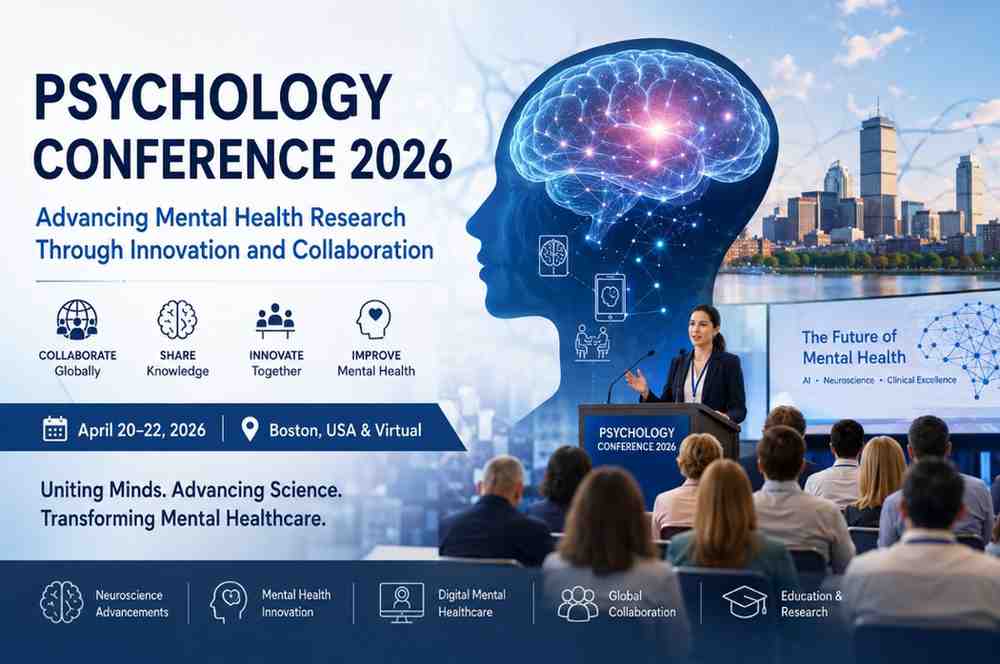
Mental health research continues to evolve as healthcare professionals, psychologists, neuroscientists, and researchers work together to better understand human behavior and emotional well-being. In recent years, increasing awareness about mental health conditions has created a stronger demand for innovative treatment methods, collaborative research, and evidence-based psychological care.
One of the most effective ways professionals stay informed about these developments is through psychology conferences. International events such as the Psychology Conference 2026 provide opportunities for experts, researchers, clinicians, educators, and students to come together and discuss the latest advancements in psychology, neuroscience, behavioral science, and mental healthcare.
Psychology conferences play an important role in shaping the future of mental health research. They encourage knowledge sharing, professional networking, interdisciplinary collaboration, and innovation that supports improvements in mental healthcare worldwide.
Why Mental Health Research Matters More Than Ever
Mental health disorders affect millions of people globally. Conditions such as anxiety, depression, stress-related disorders, trauma, and behavioral challenges continue to increase across different age groups and communities.
As awareness grows, researchers are focusing on:
- Early diagnosis and prevention
- Personalized treatment approaches
- Brain health and neuroscience
- Digital mental healthcare
- Trauma recovery strategies
- Behavioral science innovations
Mental health research helps healthcare professionals understand how psychological conditions develop and how effective treatment methods can improve patient outcomes.
However, research cannot progress effectively in isolation. Collaboration between institutions, professionals, and researchers is necessary for discovering new solutions and improving mental healthcare systems.
This is where psychology conferences become highly valuable.
Psychology Conferences Encourage Global Collaboration
One of the biggest advantages of attending a psychology conference is the opportunity for global collaboration. Researchers and healthcare professionals from different countries can exchange ideas, discuss challenges, and share research findings.
International conferences create environments where professionals can:
- Present research studies
- Discuss clinical experiences
- Explore new technologies
- Develop academic partnerships
- Share evidence-based practices
The Psychology Conference 2026 aims to bring together professionals from around the world to discuss innovations in mental health, neuropsychiatry, neuroscience, and behavioral science.
Global collaboration is important because mental health challenges vary across cultures and healthcare systems. Learning from different perspectives helps researchers and clinicians develop broader and more effective approaches to patient care.
Sharing the Latest Research and Innovations
Psychology is continuously evolving through scientific discoveries and technological advancements. Conferences provide professionals with direct access to the latest research before it becomes widely available through journals or textbooks.
Topics commonly discussed at psychology conferences include:
- Artificial intelligence in mental healthcare
- Neuroscience and brain research
- Cognitive behavioral therapy advancements
- Digital therapy platforms
- Child and adolescent psychology
- Trauma and resilience studies
At the Psychology Conference 2026, participants can explore how AI, genomics, and clinical excellence are shaping the future of neuropsychiatry and mental healthcare.
Research presentations and keynote sessions help attendees understand emerging trends and their practical applications in clinical and academic settings.
Supporting Early-Career Researchers and Students
Psychology conferences are especially important for students, graduate researchers, and early-career professionals. These events provide opportunities to learn directly from experts while gaining exposure to the global research community.
Students attending conferences can:
- Present abstracts and posters
- Receive feedback from experts
- Build professional confidence
- Learn research methodologies
- Explore career opportunities
Presenting research at a conference also strengthens academic profiles and improves communication skills.
The Psychology Conference 2026 encourages participation from students and young researchers who want to contribute to the future of mental health research and innovation.
Bridging Research and Clinical Practice
One major challenge in psychology is ensuring that research findings are applied effectively in real-world clinical settings. Conferences help bridge the gap between research and practice by bringing researchers and clinicians together.
This interaction allows professionals to discuss:
- Real patient experiences
- Practical treatment challenges
- Evidence-based therapy methods
- Healthcare system limitations
- Innovative patient care solutions
Clinicians can learn about new research developments, while researchers gain insights into practical healthcare needs.
This collaboration improves the quality of mental healthcare and encourages patient-centered treatment approaches.
The Growing Role of Technology in Psychology
Technology is becoming increasingly important in psychology and mental healthcare. Innovations such as teletherapy, mental health applications, artificial intelligence, and brain imaging technologies are changing how professionals diagnose and treat psychological conditions.
Conferences provide a platform to discuss:
- AI-assisted mental health assessments
- Digital cognitive therapy tools
- Online counseling services
- Neuroimaging advancements
- Personalized mental healthcare technologies
At the Psychology Conference 2026, experts will explore how AI and neuroscience are influencing future mental health treatment strategies.
Understanding technological advancements helps professionals remain updated in a healthcare environment that is rapidly becoming more digital and data-driven.
Building Professional Networks
Networking is another essential benefit of psychology conferences. Professionals attending these events can build long-term relationships with researchers, healthcare organizations, academic institutions, and industry leaders.
Networking opportunities often lead to:
- Research collaborations
- Publication partnerships
- Career advancement
- Academic mentorships
- International projects
For many professionals, conferences become important spaces for exchanging ideas and building meaningful professional connections.
The relationships developed during conferences can continue long after the event ends, supporting future research and career growth.
Promoting Mental Health Awareness Globally
Psychology conferences also contribute to global mental health awareness. By discussing public health challenges, prevention strategies, and innovative care models, conferences help increase understanding of mental health issues worldwide.
Important discussions often include:
- Suicide prevention
- Trauma recovery
- Workplace mental health
- Child and adolescent mental healthcare
- Addiction and behavioral disorders
Public awareness and education are critical for reducing stigma and improving access to mental healthcare services.
Events like the Psychology Conference 2026 help encourage open conversations about mental health while promoting evidence-based solutions.
Encouraging Interdisciplinary Research
Mental health research often overlaps with neuroscience, medicine, technology, education, and public health. Conferences encourage interdisciplinary collaboration that helps professionals address mental health challenges from multiple perspectives.
Collaboration between disciplines can improve:
- Treatment effectiveness
- Research quality
- Healthcare accessibility
- Patient outcomes
- Preventive mental healthcare strategies
The integration of psychology with neuroscience and technology is expected to remain a major focus in future mental health research.
Hybrid Conferences Improve Accessibility
Modern psychology conferences are becoming more accessible through hybrid participation options. The Hybrid Psychology Conference 2026 allows attendees to participate either physically in Boston or virtually from anywhere in the world.
Hybrid conferences provide benefits such as:
- Flexible learning opportunities
- Access to recorded sessions
- Reduced travel barriers
- Wider international participation
This format makes professional development and research collaboration more inclusive for global audiences.
Conclusion
Psychology conferences play a vital role in advancing mental health research by encouraging collaboration, innovation, education, and professional networking. They provide platforms where researchers, clinicians, educators, and students can exchange ideas and explore solutions for complex mental health challenges.
As mental healthcare continues to evolve through advancements in neuroscience, artificial intelligence, and digital technologies, conferences become increasingly important for staying informed and connected.
The Psychology Conference 2026 represents an opportunity for professionals worldwide to discuss emerging trends, present research, and contribute to the future of psychology and mental healthcare. Through knowledge sharing and global collaboration, psychology conferences continue to shape the future of mental health research and patient care.