Restaurant Interior Designer Toronto: Creating Memorable Dining Spaces That Inspire Guests
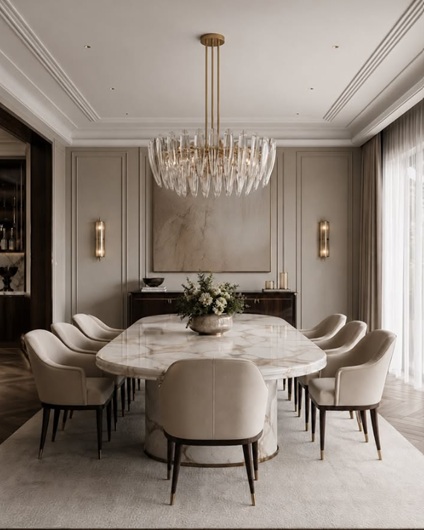
restaurant interior designer Toronto
The restaurant industry in Toronto is highly competitive, making it essential for businesses to stand out from the moment customers walk through the door. While exceptional food and outstanding service remain the foundation of success, the overall dining environment has become just as important. A thoughtfully designed restaurant creates a memorable first impression, strengthens brand identity, and encourages customers to return. This is where a restaurant interior designer Toronto businesses trust can make a significant difference.
Professional restaurant interior designers understand how to combine aesthetics, functionality, and customer psychology to create spaces that enhance both the dining experience and operational efficiency. Whether you’re opening a new restaurant, renovating an existing location, or refreshing your brand, investing in quality interior design can provide long-term benefits.
Why Restaurant Interior Design Matters
Today’s diners expect more than just great food. They seek experiences that are comfortable, visually appealing, and worthy of sharing on social media. Restaurant interiors influence how customers feel, how long they stay, and even how they perceive the quality of the food.
A well-designed restaurant helps:
- Create a strong first impression
- Build customer loyalty
- Increase repeat visits
- Improve operational workflow
- Enhance employee productivity
- Support brand recognition
- Maximize seating capacity without sacrificing comfort
In a city as diverse as Toronto, unique restaurant interiors can help businesses distinguish themselves from competitors.
Understanding Restaurant Design
Restaurant design is far more than selecting furniture and wall colors. Every design decision contributes to the overall customer experience.
Professional designers consider numerous elements, including:
- Space planning
- Seating arrangements
- Lighting design
- Material selection
- Color psychology
- Kitchen workflow
- Customer circulation
- Accessibility
- Acoustics
- Brand identity
Every square foot should serve a purpose while maintaining visual harmony throughout the restaurant.
Creating a Strong Brand Identity
Every successful restaurant has a personality. Interior design transforms that personality into a physical environment customers can experience.
Whether the concept is:
- Modern fine dining
- Casual family restaurant
- Contemporary café
- Industrial gastropub
- Luxury steakhouse
- Authentic Italian eatery
- Asian fusion restaurant
- Mediterranean dining
- Rooftop lounge
Professional designers ensure every design element reflects the restaurant’s unique identity.
Brand consistency includes:
- Furniture style
- Lighting fixtures
- Flooring materials
- Wall finishes
- Artwork
- Decorative accents
- Signage
- Color palettes
These elements work together to create a memorable customer experience.
Space Planning for Maximum Efficiency
Efficient layouts benefit both customers and staff.
Restaurant interior designers carefully analyze traffic flow to ensure smooth movement throughout the dining area.
Proper planning minimizes congestion around:
- Entrances
- Waiting areas
- Dining tables
- Service stations
- Kitchen access points
- Washrooms
- Payment counters
An organized floor plan improves customer comfort while allowing servers to move quickly and safely during busy service hours.
Selecting the Right Furniture
Furniture contributes significantly to both aesthetics and functionality.
Designers select seating that matches the restaurant concept while ensuring long-lasting durability.
Important considerations include:
- Table sizes
- Chair comfort
- Booth seating
- Bar stools
- Outdoor furniture
- Material durability
- Easy maintenance
- Space optimization
Comfortable seating encourages guests to enjoy their meals while maintaining efficient table turnover.
The Importance of Lighting
Lighting influences mood more than almost any other design feature.
Restaurant designers often combine several lighting types to create depth and atmosphere.
These include:
Ambient Lighting
Provides general illumination for the dining area.
Accent Lighting
Highlights architectural features, artwork, or decorative displays.
Task Lighting
Improves visibility for kitchen staff, bartenders, and food preparation areas.
Decorative Lighting
Pendant lights, chandeliers, wall sconces, and custom fixtures enhance the restaurant’s visual appeal.
Lighting can completely transform the dining experience from casual daytime service to elegant evening dining.
Color Psychology in Restaurant Design
Colors affect customer emotions and dining behavior.
Restaurant designers carefully choose color palettes that support the restaurant’s goals.
Popular choices include:
Warm Colors
Red, orange, and earthy tones stimulate appetite and create energy.
Neutral Colors
Beige, gray, cream, and white provide elegance and flexibility.
Green
Represents freshness and sustainability.
Blue
Creates a calm atmosphere but is typically used as an accent because it may reduce appetite.
Balanced color combinations help create welcoming environments without overwhelming guests.
Materials That Combine Beauty and Durability
Restaurants experience heavy daily use, making durability essential.
Professional designers recommend materials that withstand constant traffic while maintaining their appearance.
Popular materials include:
- Hardwood flooring
- Luxury vinyl flooring
- Ceramic tiles
- Natural stone
- Quartz countertops
- Stainless steel accents
- Solid wood furniture
- Upholstered seating with commercial-grade fabrics
These materials provide long-term value while reducing maintenance costs.
Acoustic Design for Comfortable Dining
Noise levels significantly impact customer satisfaction.
Restaurants that are too loud may discourage conversation, while overly quiet spaces can feel uncomfortable.
Interior designers use various acoustic solutions, including:
- Acoustic ceiling panels
- Upholstered furniture
- Fabric wall panels
- Area rugs
- Decorative partitions
- Sound-absorbing finishes
Proper acoustic planning creates a more enjoyable dining atmosphere.
Kitchen and Service Area Design
Restaurant success depends on efficient operations behind the scenes.
Interior designers collaborate with kitchen planners to optimize workflow.
Important considerations include:
- Food preparation zones
- Storage areas
- Dishwashing stations
- Service counters
- Staff movement
- Equipment placement
Efficient layouts reduce wait times while improving employee productivity.
Creating Instagram-Worthy Spaces
Social media has become one of the most effective forms of restaurant marketing.
Many customers enjoy sharing attractive dining experiences online.
Popular design features include:
- Statement walls
- Artistic murals
- Neon signs
- Unique lighting
- Designer furniture
- Indoor greenery
- Open kitchens
- Signature photo corners
Visually appealing interiors encourage customers to generate valuable user-created content.
Sustainability in Restaurant Interior Design
Many Toronto restaurants are embracing environmentally responsible design practices.
Sustainable design may include:
- Energy-efficient LED lighting
- Recycled materials
- Low-VOC paints
- Water-saving fixtures
- Eco-friendly furniture
- Locally sourced materials
- Natural ventilation
- Sustainable wood products
Green design supports environmental responsibility while reducing operating costs.
Accessibility and Inclusive Design
Modern restaurants should welcome guests of all abilities.
Professional designers ensure spaces comply with accessibility standards while maintaining attractive aesthetics.
Accessibility features may include:
- Barrier-free entrances
- Wide walkways
- Accessible seating
- Proper restroom layouts
- Non-slip flooring
- Clear signage
- Comfortable waiting areas
Inclusive design creates a welcoming environment for every customer.
Renovating Existing Restaurants
Not every restaurant requires a complete rebuild.
Many businesses benefit from strategic renovations that modernize the space while preserving the existing structure.
Common renovation projects include:
- Updating flooring
- Replacing lighting
- Installing new furniture
- Refreshing paint colors
- Modernizing restrooms
- Improving seating layouts
- Upgrading decorative features
Even modest improvements can significantly enhance customer perception.
Common Restaurant Design Styles
Toronto’s diverse dining culture supports many interior styles.
Popular options include:
Modern Minimalist
Clean lines, neutral colors, and uncluttered spaces.
Industrial
Exposed brick, steel, concrete, and reclaimed wood.
Rustic
Natural textures, warm lighting, and handcrafted details.
Scandinavian
Simple layouts, light colors, and natural materials.
Contemporary Luxury
Elegant finishes, premium materials, and sophisticated lighting.
Urban Chic
Modern furniture paired with artistic architectural features.
Choosing the right style helps reinforce the restaurant’s brand identity.
Benefits of Hiring a Professional Restaurant Interior Designer Toronto
Working with experienced restaurant designers provides numerous advantages.
Professional services help:
- Maximize available space
- Improve operational efficiency
- Enhance customer comfort
- Strengthen branding
- Increase property value
- Reduce costly design mistakes
- Coordinate contractors
- Manage project timelines
- Select durable materials
- Deliver a cohesive finished environment
Professional expertise often saves both time and money throughout the project.
Restaurant Design Trends in Toronto
Restaurant interiors continue to evolve as customer expectations change.
Current trends include:
- Open-concept dining
- Flexible seating arrangements
- Biophilic design with natural greenery
- Smart lighting systems
- Sustainable materials
- Multi-functional spaces
- Custom artwork
- Textured finishes
- Earth-inspired color palettes
- Comfortable lounge-style seating
These trends create inviting spaces that appeal to modern diners.
Choosing the Right Restaurant Interior Designer
When selecting a restaurant interior designer, consider factors such as:
- Restaurant design experience
- Portfolio quality
- Understanding of hospitality design
- Communication skills
- Budget planning
- Project management capabilities
- Material knowledge
- Local building regulations
- Timeline management
A collaborative designer will understand your vision while offering creative solutions that improve the final result.
Conclusion
An exceptional restaurant experience begins long before the first meal is served. From layout and lighting to furniture and branding, every design element contributes to customer satisfaction and business success. Hiring a professional restaurant interior designer Toronto restaurant owners can rely on ensures that every detail works together to create a functional, welcoming, and visually impressive environment.
Whether launching a new dining concept or renovating an existing establishment, investing in professional interior design helps create memorable experiences, improve operational efficiency, strengthen brand identity, and encourage repeat business. In Toronto’s competitive restaurant market, a thoughtfully designed interior is not just an aesthetic choice—it is a strategic investment that supports long-term growth and customer loyalty.