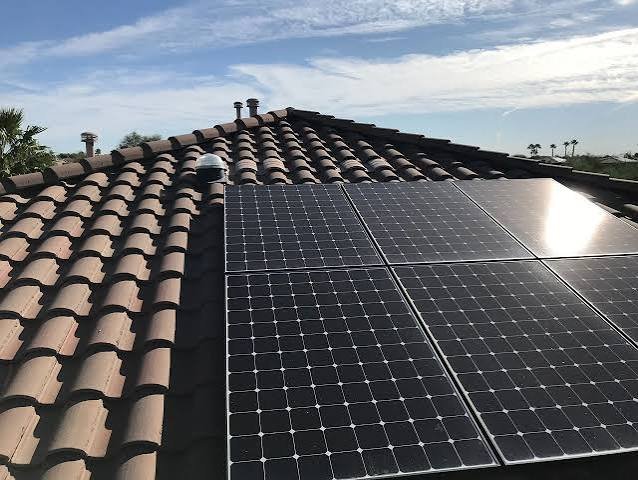
residential solar panel installation services dallas tx
Top Red Flags When Vetting Residential Solar Panel Installation Services in Dallas TX
Navigating the residential solar market in North Texas can be a rewarding endeavor for homeowners seeking energy independence and protection against escalating electricity rates. However, as demand for clean energy has skyrocketed across the Dallas-Fort Worth metroplex, the market has become saturated with transient sales organizations, predatory lenders, and under-qualified installers.
A home solar power system is a multi-decade structural and electrical modification to your property. Partnering with the wrong provider can lead to roof leaks, severe system underproduction, voided roof warranties, and financial strain. Recognizing critical red flags early in your vetting process is essential to protecting your home investment. When evaluating residential solar panel installation services dallas tx, watch out for these major warning signs before signing any agreement.
1. High-Pressure Door-to-Door Sales Tactics and “Today Only” Pricing
One of the most immediate indicators of an untrustworthy solar company is aggressive, high-pressure sales behavior.
Legitimate engineering and construction firms do not require high-pressure closing tactics. Beware of representatives who show up uninvited and claim that special discounts or municipal incentive programs are expiring immediately unless you execute a contract on the spot. Real solar design requires detailed structural reviews, electric bill audits, and site shading analysis—processes that cannot be rushed into a single high-pressure conversation.
2. Marketing “Free Solar” or Misrepresenting Government Tax Credits
A common deception in the North Texas market involves misleading marketing language surrounding system costs and federal incentives.
-
The “Free Solar” Fallacy: No government program provides completely free solar panels to homeowners. Companies claiming to offer “free solar” are typically pushing long-term power purchase agreements (PPAs) or solar leases. In these setups, you do not own the system, you do not build home equity, and the installer retains all tax incentives.
-
Tax Credit Misrepresentation: The Federal Residential Clean Energy Credit allows eligible homeowners to claim a percentage of their system cost against their federal income tax liability. Dishonest sales reps often pitch this as a guaranteed cash refund check or state tax rebate. If a representative promises that the government will send you a cash check simply for installing panels, step away immediately.
3. Remote Quotes Without Physical Roof and Electrical Inspection
A major red flag is any contractor willing to give you a binding contract price based strictly on satellite photos without performing an in-person site audit.
Relying solely on aerial imagery leaves critical structural and electrical variables unaccounted for. Dallas roofs endure heavy summer heat, spring hail, and severe wind gusts. An installer must physically inspect your roof decking, rafter spacing, shingle age, and main breaker panel capacity to ensure safe integration. Contractors who skip in-person site audits frequently hit homeowners with costly change orders midway through installation.
4. Lack of Valid Texas Licensing, Insurance, or Local Credentials
The state of Texas enforces strict licensing standards for electrical and structural contracting work. Working with an uncredentialed company exposes homeowners to immense liability and code violations.
Before committing to residential solar panel installation services dallas tx, verify that the company meets these fundamental operational standards:
-
Texas Electrical Contractor License (TECL): In Texas, solar systems must be installed under the direct supervision of a licensed Master Electrician working for a licensed TECL holder.
-
Subcontractor Hand-offs: Ask directly whether the company performs the construction using full-time, trained employees or hands the job off to unvetted, low-bid third-party subcontractors.
-
Proof of Insurance: Request current certificates of General Liability and Worker’s Compensation coverage. If an uninsured worker falls off your roof, you could be held liable.
-
NABCEP Certification: Look for designers and crew leaders certified by the North American Board of Certified Energy Practitioners (NABCEP), which confirms rigorous technical training.
5. Opaque Equipment Specifications and Hidden Warranties
Unethical installers often maximize their margins by bundling cheap, low-tier solar panels and off-brand string inverters into proposals while charging premium prices.
| Evaluation Factor | Standard Expectation | Red Flag Warning |
| Equipment Detail | Explicit panel make/model, inverter type, and racking specifications listed. | Vague terms like “Tier 1 400W Panels” without listing brand names. |
| Workmanship Warranty | 10 to 25 years covering roof penetrations, wiring, and installation labor. | Brief 1-to-2 year labor warranties or vague guarantees. |
| Inverter Quality | Microinverters or string inverters with power optimizers from established brands. | Cheap central string inverters without per-panel optimization on complex roofs. |
| Roof Leak Guarantees | Written, long-term guarantees covering penetration-related water damage. | Disclaimer clauses passing roof leak liability entirely onto the homeowner. |
If an installer refuses to put exact equipment model numbers in the written agreement or provides evasive answers regarding roof leak liability, look elsewhere.
Protect Your Home Investment
Switching your North Texas home to solar power should be a smooth, rewarding transition that reduces utility expenses for decades. By insisting on written quotes, verifying Texas electrical licensing, requiring in-person site audits, and refusing high-pressure sales tactics, you can confidently filter out unethical contractors. Taking a vigilant approach ensures you select a qualified, highly professional team capable of delivering a safe, durable, and highly productive solar installation.