Residential Solar Panel Installation Services Dallas TX | Sunaura Solar
-
For homeowners looking to take greater control of their household energy use, solar power can be a practical long-term investment. Choosing residential solar panel installation services dallas tx involves more than placing panels on a roof; it requires evaluating the property’s energy needs, roof characteristics, electrical infrastructure, available space, and future goals. A properly planned system can help homeowners use more of their own generated electricity while reducing reliance on conventional grid power. As energy costs, household consumption, and interest in energy independence continue to influence purchasing decisions, professionally designed residential solar systems are becoming an increasingly relevant option for Dallas-area homeowners.
The growing interest in residential solar panel installation services dallas tx also reflects a broader shift toward customized home energy solutions. Today’s homeowners may want more than photovoltaic panels alone; they may also consider battery storage, electric vehicle charging, and electrical upgrades as part of a complete energy strategy. Sunaura Solar provides residential solar solutions across North Texas, combining system design and installation with additional energy services that can help homeowners build a more coordinated approach to electricity use. The right installation begins with understanding the property and ends with a system designed around realistic household requirements.
Understanding Residential Solar Installation for Dallas Homes
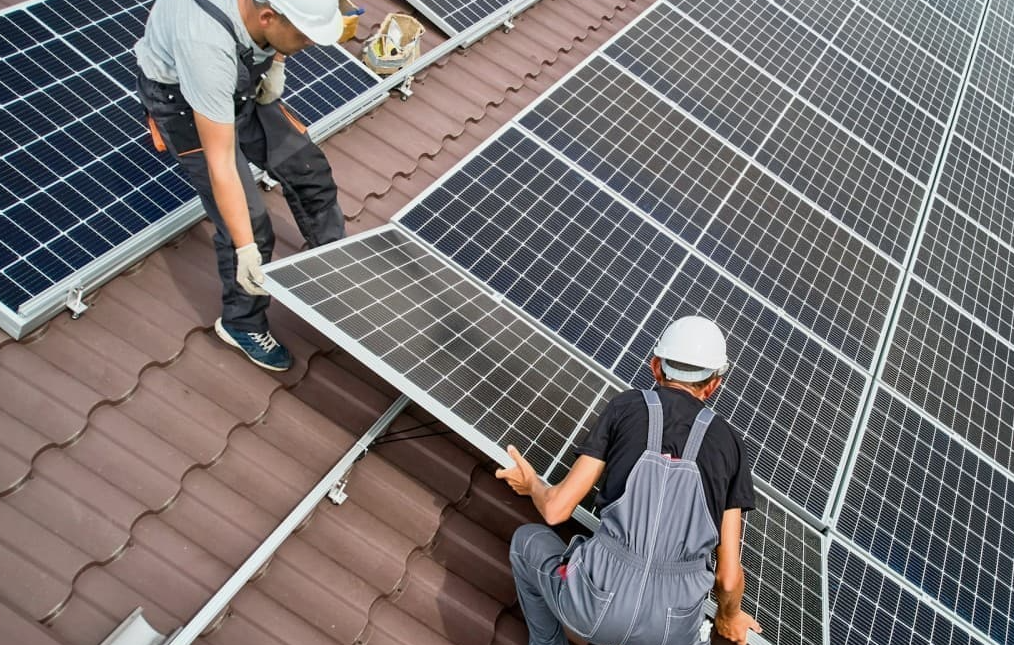
Residential solar installation begins with assessing how a home uses electricity and determining how a solar array can complement that consumption. Factors such as roof orientation, available roof area, shading, electrical capacity, household usage patterns, and the desired size of the system all influence the final design. A professional installer should evaluate these details rather than relying on a standard package for every property. Dallas homes can vary considerably in age, construction style, roof design, and electrical configuration, so a customized approach is important. The installation itself generally involves preparing the site, positioning the mounting equipment, installing the solar panels and associated electrical components, connecting the system appropriately, and completing necessary checks before operation. Good planning also considers future needs, such as adding battery storage or an electric vehicle charger, so today’s solar installation does not unnecessarily limit tomorrow’s energy options.
Why Professional Solar System Design Matters
The design stage has a direct impact on how effectively a residential solar system can serve a household. A system that is too small may not adequately address the homeowner’s energy objectives, while an oversized system may not make sense for the property’s usage or available installation area. Professional design considers the relationship between panel placement, electrical equipment, roof conditions, and expected energy production. It should also account for practical issues such as maintenance access and the location of system components. Sunaura Solar emphasizes customized residential solar installation and works with homeowners to discuss system sizing, pricing, incentives, and energy goals before construction begins. This planning-first approach helps customers understand what they are purchasing and why the proposed system is appropriate for their property instead of treating solar installation as a one-size-fits-all product.
What Homeowners Should Expect During Installation
A well-organized installation process should give homeowners a clear understanding of what will happen before, during, and after the work. The project normally starts with a property assessment and system planning, followed by preparation for the physical installation. Technicians then install the necessary mounting and solar equipment while coordinating the electrical side of the project. The exact timeline depends on factors such as system size, roof accessibility, project complexity, weather, equipment availability, and required approvals. Homeowners should also expect the installer to communicate important project milestones rather than leaving them uncertain about the next stage. Once installation is complete, the system should be inspected and tested appropriately so that equipment is functioning as intended. Clear documentation and an explanation of system operation can also make ownership easier, particularly for homeowners who have never used solar technology before.
Battery Storage Can Expand a Home Energy Strategy
Solar panels generate electricity when sunlight is available, but household energy needs do not always follow the same schedule. Battery storage can provide another way to manage the electricity produced by a solar system by storing available energy for later use. For some homeowners, this can be particularly useful when they want additional flexibility during periods when solar production is lower or when grid power is interrupted. Sunaura Solar offers battery backup solutions, including Tesla Powerwall installations, alongside residential solar systems. Adding storage should nevertheless be based on the household’s actual objectives rather than simply being treated as a required component of every solar project. A professional evaluation can help determine whether battery capacity, system configuration, and expected usage make sense for the property. Considering storage during the initial design stage can also simplify future expansion if the homeowner decides to add backup capability later.
Integrating Solar With Home Electrical Improvements
Solar installation can sometimes highlight the importance of the home’s existing electrical infrastructure. Older electrical equipment, limited capacity, or plans to add high-demand appliances may influence how a solar system should be configured. Homeowners considering an electric vehicle charger, battery storage, or other significant electrical additions can benefit from discussing those plans before the solar installation begins. Sunaura Solar combines solar installation capabilities with residential electrical services, allowing homeowners to consider these requirements as part of a broader energy plan. This integrated perspective can help avoid situations where a homeowner installs solar today and discovers later that additional electrical work is needed to accommodate another energy technology. Planning for future electricity demand does not mean purchasing every available upgrade immediately; it means making informed decisions that keep the home’s energy infrastructure practical and adaptable.
Choosing a Reliable Dallas Solar Installer
Selecting an installer requires looking beyond the initial project price. Homeowners should consider the contractor’s experience, licensing, workmanship practices, communication standards, system design process, and ability to provide support after installation. It is also worthwhile to ask how the company handles diagnostics, maintenance, system monitoring, and future service requirements. Solar ownership can extend for many years, making ongoing support an important part of the overall decision. Sunaura Solar describes itself as a licensed and insured electrical contractor serving Dallas and surrounding North Texas communities, with residential solar installation among its core services. The company also provides maintenance, solar detach and reset, battery storage, and EV charging, which can be useful for homeowners who prefer to work with a provider capable of supporting multiple aspects of their home energy system.
Maintaining Solar Panels for Long-Term Performance
Installing a solar system is the beginning of ownership rather than the end of the process. Over time, dust, pollen, debris, weather exposure, and other environmental conditions can affect the cleanliness and condition of rooftop equipment. Regular visual inspections and appropriate maintenance can help identify potential problems before they become more disruptive. Monitoring system performance is also valuable because a noticeable change in production can sometimes indicate an equipment or electrical issue. Professional maintenance may include system diagnostics, electrical checks, equipment inspection, and monitoring review, depending on the circumstances. Sunaura Solar provides solar panel repair, maintenance, and cleaning services in addition to installation. For homeowners, maintaining an established system can help preserve the value of the original investment and provide a clearer picture of how the equipment is performing over time.
Conclusion
Choosing residential solar panel installation services dallas tx is an important home improvement decision that should be based on thoughtful design, professional workmanship, realistic energy goals, and long-term support. From evaluating the roof and household electricity requirements to considering battery storage, electrical upgrades, and future energy needs, every stage can influence the usefulness of the finished system. Sunaura Solar offers residential solar installation along with battery, electrical, EV charging, maintenance, and solar detach and reset services, giving homeowners access to a broader range of energy solutions as their needs evolve. For Dallas homeowners considering solar, the practical takeaway is to focus on system suitability rather than simply choosing the lowest initial price: a carefully designed and professionally installed system can provide a more dependable foundation for long-term home energy management.