Commercial properties require regular outdoor maintenance to remain clean, accessible, and presentable. Parking lots, industrial yards, loading zones, private access roads, and shared driveways collect dust, leaves, packaging, sand, and other debris through daily operations. Vehicle movements can spread this material across large areas, while wind and rainfall may carry it toward entrances and drainage points. Commercial Sweeping Services provide a structured way to manage this accumulation through mechanical sweeping, debris collection, and targeted cleaning of areas that need additional attention. For businesses responsible for large paved surfaces, a suitable maintenance schedule can help reduce the need for repeated reactive cleanups. Understanding the available methods, equipment, and service considerations allows property managers to make informed decisions about keeping their sites cleaner and easier to maintain.
Understanding Commercial Sweeping and Its Purpose
Commercial sweeping involves removing loose debris and surface contaminants from paved areas associated with business operations. Depending on the site, the work may include parking facilities, warehouse yards, shopping centre access lanes, industrial estates, private roads, and commercial loading areas. Commercial Sweeping Services may use mechanical sweepers for broad surfaces and manual tools for confined spaces, corners, and areas around fixed equipment. The type of machinery required depends on the surface condition, debris volume, access restrictions, and available working space. Some locations mainly collect fine dust and sand, while others produce leaves, packaging waste, gravel, or heavier loose materials. A site assessment helps determine which equipment and cleaning frequency are appropriate. When the work is organised around the property’s actual needs, maintenance teams can address high-priority areas without applying an unnecessarily intensive process everywhere.
Why Businesses Benefit from Regular Sweeping
Outdoor paved areas are often the first parts of a commercial property encountered by customers, employees, suppliers, and delivery drivers. Visible rubbish, accumulated dust, and neglected corners can affect the overall impression of the premises. Regular sweeping also helps prevent loose materials from spreading into buildings or collecting around drainage grates, kerbs, loading bays, and entrances. In industrial settings, debris may accumulate quickly because of vehicle movements, packaging activities, and the handling of incoming materials. Retail centres and office developments may experience different patterns linked to visitor numbers, nearby landscaping, and weather conditions. A planned cleaning schedule helps businesses manage these variations and maintain a more consistent standard. It can also make inspections more useful by allowing property managers to identify recurring debris sources and determine whether additional maintenance is necessary.
Equipment and Areas Covered by Sweeping Operations
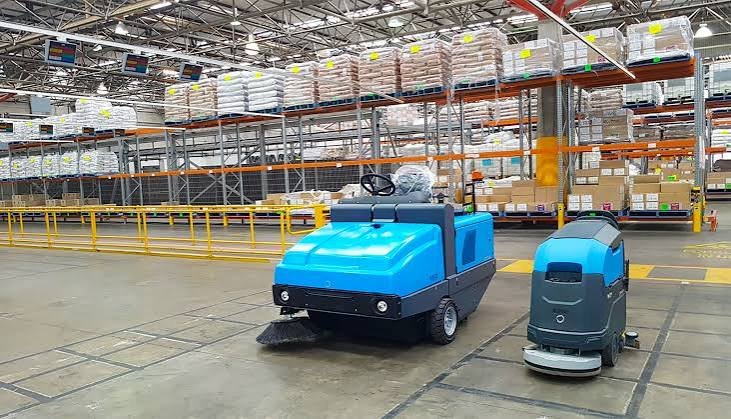
Commercial sweeping equipment varies according to the size and layout of the property. Large mechanical sweepers can cover extensive paved surfaces, while compact machines may be better suited to narrow access lanes, enclosed areas, and spaces with restricted manoeuvring room. Some sweepers use brushes to move debris toward a collection system, while other designs use additional mechanisms to manage fine particles. The appropriate choice depends on the materials being collected and the surface being maintained. Typical work areas include parking bays, internal roadways, loading zones, warehouse approaches, pedestrian access routes, and paved service yards. Operators may need to collect bulky rubbish separately before using machinery, particularly when larger objects could interfere with the equipment. Edges, corners, and areas around parked vehicles may also require manual attention. A well-planned operation accounts for these differences to provide more complete coverage.
Choosing the Right Sweeping Contractor
Selecting a contractor starts with understanding the size of the site, its cleaning priorities, and the practical limitations affecting access. Businesses should explain their operating hours, traffic patterns, surface types, and the kinds of debris that commonly accumulate. A site visit can help a provider recommend appropriate equipment and identify areas that require special attention. When reviewing quotations, check the proposed service frequency, included locations, waste handling arrangements, and procedures for additional work. It is also worth discussing how sweeping will be coordinated with deliveries, vehicle movements, security requirements, and other maintenance activities. Contractors should communicate clearly about access restrictions and any areas they cannot safely reach during a scheduled visit. A detailed service agreement provides a useful basis for evaluating performance and resolving questions about the work completed.
Safety and Environmental Responsibility
Sweeping around commercial properties requires careful planning because machinery may operate near vehicles, pedestrians, loading equipment, and active work areas. Contractors should establish appropriate work procedures, remain aware of surrounding traffic, and use suitable visibility measures where required. Equipment must be selected and operated according to site conditions, manufacturer instructions, and applicable workplace requirements. Environmental considerations are also important, particularly where collected debris includes fine dust or materials that could enter stormwater systems. Sweeping should remove rubbish from drainage areas rather than simply pushing it elsewhere on the property. Collected material needs to be handled and disposed of appropriately, with additional procedures where the site contains specialised waste. Property managers should communicate any known site hazards or restricted areas before work begins. These precautions support a cleaner property while helping protect workers, visitors, surrounding landscaping, and nearby waterways.
Long-Term Benefits of a Structured Sweeping Schedule
A consistent sweeping programme helps businesses manage outdoor maintenance as a planned activity rather than waiting until debris becomes visibly excessive. Routine removal of loose materials can improve the appearance of paved areas and reduce the amount of rubbish transferred into buildings. Regular service visits may also help maintenance teams recognise recurring issues, such as dust entering from nearby roads, leaves collecting beneath trees, or packaging waste escaping from loading areas. Identifying these patterns makes it easier to adjust the schedule or address the underlying source. Sweeping alone cannot repair damaged pavement or resolve drainage problems, but it can support broader site maintenance by keeping surfaces clearer for inspection. The required frequency depends on traffic volume, property size, surrounding conditions, and operational activity. Reviewing the results allows managers to balance cleaning requirements with available budgets and site priorities.
Developments in Commercial Sweeping and Site Maintenance
Commercial property maintenance continues to place importance on efficient equipment use, planned service schedules, and clearer communication between contractors and facility managers. Digital work records and inspection checklists can help document completed visits, identify repeated problem areas, and support decisions about future cleaning requirements. Equipment choice may also reflect changing site layouts, the need to manoeuvre around parked vehicles, and the amount of fine dust generated by daily activities. Businesses with large paved areas may benefit from separating high-traffic zones from less frequently used sections when planning maintenance. Environmental considerations, including responsible debris collection and attention to dust management, can also influence the selected methods. These practices do not replace the need for a physical site assessment, but they can help make maintenance more organised and responsive. Periodic reviews ensure that sweeping arrangements remain suitable as business operations, weather patterns, and property use evolve.
Conclusion
Maintaining clean commercial premises requires consistent attention to paved surfaces, access roads, loading areas, and parking facilities. Loose rubbish, dust, leaves, and other debris can accumulate quickly, making regular sweeping an important part of an organised property maintenance plan. Commercial Sweeping Services can help businesses manage these materials through appropriate equipment, scheduled cleaning, and targeted attention to areas with recurring problems. Choosing a suitable contractor involves reviewing service coverage, safety procedures, equipment capabilities, communication, and waste handling practices. Businesses evaluating available providers may consider All Zones Sweeping & Scrubbing alongside other contractors that meet their site requirements. With a clear maintenance schedule and regular performance reviews, commercial property managers can maintain cleaner outdoor areas, support smoother daily operations, and make more informed decisions about long-term site care.