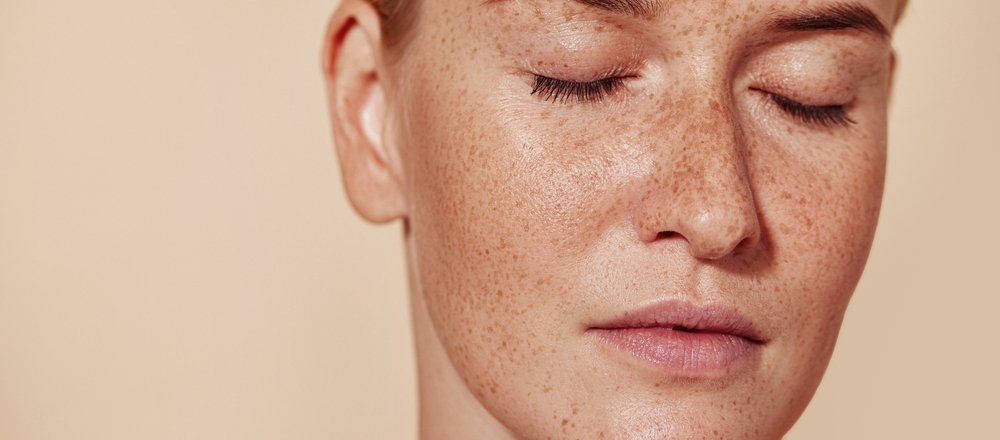
Freckles and age spots are common skin concerns that can make the complexion look uneven. They may appear because of sun exposure, natural aging, hormonal changes, or genetic factors. Although these spots are usually harmless, many people prefer to reduce their appearance to achieve clearer and more even-looking skin.
Altaderma Clinic provides personalized approaches for people looking to improve pigmentation and restore a more balanced complexion. The right treatment depends on the type of pigmentation, skin tone, skin condition, and the cause of the spots. A professional skin assessment can help determine which option may be most suitable.
Understanding Pigmentation and Why It Appears
Pigmentation happens when the skin produces or stores more melanin in certain areas. Melanin is the natural pigment responsible for skin, hair, and eye color. When it becomes unevenly distributed, darker patches or spots can develop.
Common Causes of Skin Pigmentation
Sun exposure is one of the main causes of pigmentation. Ultraviolet rays can stimulate melanin production and gradually make existing freckles and age spots more visible.
Other factors can include:
- Natural skin aging
- Hormonal changes
- Previous skin inflammation
- Acne or injury
- Certain medications
- Genetic factors
- Repeated sun exposure without adequate protection
At Altaderma Clinic, identifying the possible cause of pigmentation is an important part of developing a suitable treatment plan.
How Pigmentation Treatment in Dubai Helps Freckles and Age Spots
Pigmentation Treatment in Dubai can include different professional procedures designed to improve uneven skin tone and reduce the appearance of unwanted dark spots. The treatment selected depends on whether the pigmentation is superficial, deeper, widespread, or linked to another skin condition.
Treating Freckles for a More Even Complexion
Freckles are small, flat brown spots that commonly appear on areas frequently exposed to sunlight, particularly the face, nose, shoulders, and arms. They can become darker during periods of increased sun exposure.
Professional pigmentation treatments may help make freckles less noticeable. However, freckles can return or become darker again when the skin is repeatedly exposed to ultraviolet radiation. This is why sun protection remains an important part of long-term skin care.
Reducing the Appearance of Age Spots
Age spots, sometimes called sun spots, usually develop after years of sun exposure. They are commonly found on the face, hands, neck, and other exposed areas.
Treatment can help reduce the visibility of these spots and create a more uniform appearance. At Altaderma Clinic, the approach can be selected according to the patient’s skin condition and pigmentation pattern.
Professional Treatment Options for Pigmentation
Different technologies and skin treatments can be used to address pigmentation. Not every treatment is suitable for every patient, so professional assessment is important.
Laser Treatments for Pigmented Spots
Laser-based treatments can target unwanted pigmentation in selected cases. The energy is directed toward pigment within the skin, helping break it down so the body can gradually clear it.
The type of laser and treatment settings depend on the patient’s skin type and pigmentation. Proper assessment is particularly important for darker skin tones because unsuitable settings may increase the risk of irritation or post-inflammatory pigmentation.
Chemical Peels for Uneven Skin Tone
Chemical peels use carefully selected ingredients to exfoliate the outer layers of the skin. Depending on the formulation and depth, a peel may help improve the appearance of superficial pigmentation and uneven tone.
A professional should determine which peel is appropriate because stronger treatments are not necessarily better. Using an unsuitable peel at home can cause irritation and potentially worsen pigmentation.
Skin-Rejuvenating Treatments
Some pigmentation plans may combine pigmentation-focused procedures with treatments that support overall skin quality. Improving texture and skin renewal can make the complexion appear smoother and brighter.
The treatment plan at Altaderma Clinic can be adjusted according to the patient’s concerns rather than using the same procedure for everyone.
Choosing the Right Pigmentation Treatment for Your Skin
Every person’s pigmentation is different. Two people may have similar-looking dark spots but require completely different approaches.
Skin Type and Pigmentation Depth
Your skin tone and pigmentation depth can influence the choice of treatment. A professional assessment helps determine whether the pigmentation is mainly on the surface or located deeper within the skin.
This assessment can also help reduce the risk of unnecessary irritation and identify treatments that are better suited to individual skin characteristics.
Understanding Your Skin History
Before treatment, it is useful to discuss previous pigmentation treatments, skincare products, allergies, medications, and any history of skin sensitivity with your provider.
At Altaderma Clinic, this information can help create a more appropriate treatment plan and establish realistic expectations.
Pigmentation Treatment Cost in Dubai: What Affects the Price?
The Pigmentation Treatment cost in Dubai can vary from one patient to another. There is no single price that applies to every pigmentation case because treatment requirements differ.
Factors That Can Influence Treatment Cost
Several factors may affect the overall cost, including:
- Type of pigmentation
- Treatment method selected
- Size and number of pigmented areas
- Number of sessions required
- Technology used
- Individual skin condition
- Combination treatments, when recommended
- Follow-up requirements
A consultation at Altaderma Clinic can help you understand which treatment is suitable for your concerns and what may be involved in your treatment plan.
Preparing for Pigmentation Treatment
Proper preparation can support a smoother treatment experience. Your provider may give specific instructions based on the selected procedure.
Protecting Your Skin Before Treatment
Avoiding excessive sun exposure before pigmentation treatment is important. Sunburned or irritated skin may not be suitable for certain procedures.
Daily sunscreen use can help protect the skin and prevent pigmentation from becoming darker. Wearing protective clothing and limiting prolonged direct sun exposure can also be helpful.
Keeping Your Skincare Routine Simple
Before some procedures, you may need to temporarily stop certain active skincare products. Your provider can tell you which products should be avoided and when they can be used again.
Do not introduce multiple strong products immediately before treatment because irritated skin may be more sensitive.
What Happens During a Pigmentation Treatment Session?
The exact process depends on the procedure chosen. During your appointment, the skin is usually assessed before treatment begins.
During Laser-Based Treatment
For a laser procedure, the treatment area is cleaned and prepared. The device is then used according to the selected settings. Some patients may experience warmth, mild discomfort, or a snapping sensation during treatment.
The duration depends on the size of the treatment area and the number of spots being addressed.
During a Chemical Peel
For a chemical peel, the skin is prepared before the selected solution is applied. Depending on the peel, patients may feel mild tingling or warmth.
Afterward, the skin may appear slightly red or feel sensitive. Your provider will explain the appropriate aftercare for the specific peel used.
Recovery and Aftercare for Better Results
Aftercare is an important part of pigmentation management. The skin may be temporarily sensitive after certain treatments.
Why Sunscreen Is Essential
Sun exposure can contribute to the return or darkening of pigmentation. Using broad-spectrum sunscreen as recommended by your skincare professional is therefore an important part of aftercare.
Even after the skin looks clearer, continued sun protection can help maintain the results.
Avoiding Skin Irritation
Do not scratch, pick, or aggressively exfoliate treated areas. Follow the aftercare instructions provided by Altaderma Clinic and use recommended skincare products.
Keeping the skin moisturized and avoiding unnecessary irritation can support the normal healing process.
How Many Sessions May Be Needed?
The number of treatments varies according to pigmentation type, severity, skin response, and treatment method. Some superficial spots may improve with fewer sessions, while more persistent pigmentation may require a longer treatment plan.
Why Results Differ Between Patients
Pigmentation is influenced by many factors, including genetics, sun exposure, hormones, and skincare habits. Because of these differences, treatment results cannot be guaranteed to look exactly the same for everyone.
A professional assessment can provide a more realistic idea of what improvement may be possible.
Maintaining Clearer-Looking Skin After Treatment
Pigmentation management does not necessarily end after the final treatment session. Long-term skincare habits can make an important difference.
Daily Skin Protection
Use sunscreen consistently and avoid unnecessary prolonged sun exposure. Sunglasses, hats, and protective clothing can provide additional protection when spending time outdoors.
Following a Suitable Skincare Routine
A gentle skincare routine can help maintain the appearance of the skin. Depending on your individual needs, your provider may recommend products that support an even-looking complexion.
Avoid excessive exfoliation or frequently changing products, especially if your skin is sensitive.
Why a Professional Consultation Matters
Freckles and age spots can look similar to other types of pigmentation. Professional evaluation is important before starting treatment because not every dark spot should automatically be treated as ordinary pigmentation.
Personalized Care at Altaderma Clinic
At Altaderma Clinic, a personalized assessment can help determine the nature of your pigmentation and identify suitable treatment options. The goal is to improve the appearance of uneven pigmentation while considering your skin type, concerns, and overall skin health.
Conclusion
Freckles and age spots can become more noticeable with sun exposure and natural skin changes, but professional treatments may help create a clearer and more even-looking complexion. Pigmentation Treatment in Dubai can involve laser procedures, chemical peels, and other customized approaches depending on individual needs.
Understanding the Pigmentation Treatment cost in Dubai, treatment options, recovery, and aftercare can help you make a more informed decision. At Altaderma Clinic, personalized treatment planning focuses on your specific pigmentation concerns and skin characteristics, helping you work toward a smoother and more balanced-looking complexion.
:::