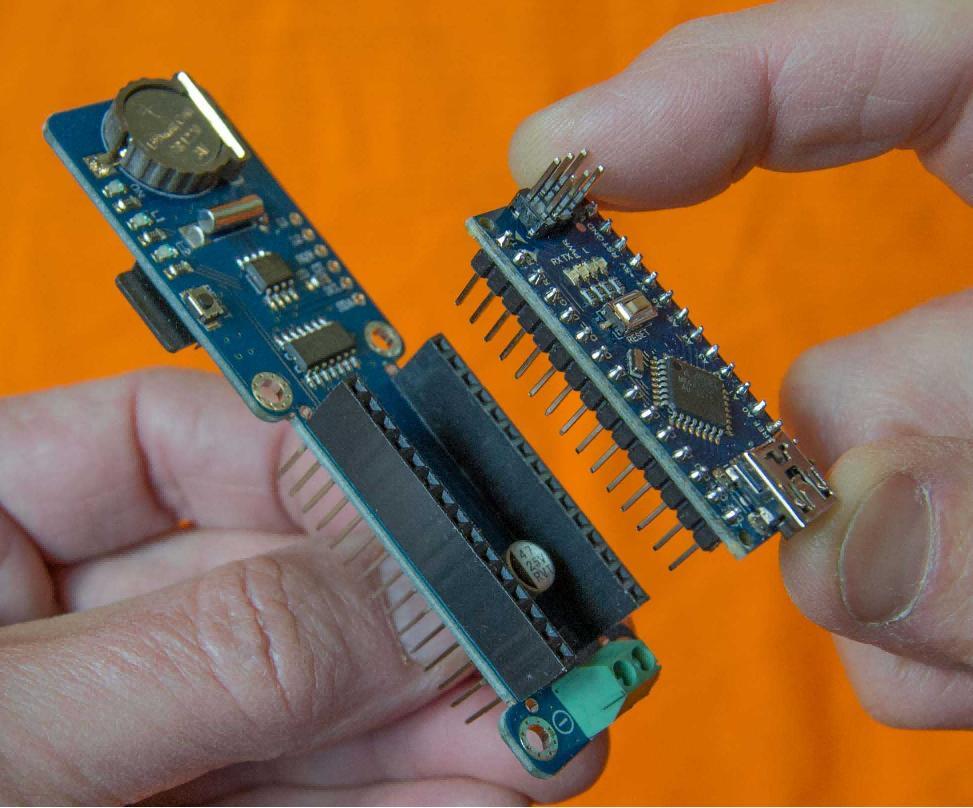
PCB Connectors & Wire Housings
Introduction to PCB Connectors & Wire Housings
PCB Connectors & Wire Housings are fundamental components that define how efficiently an electronic system performs. They create structured electrical pathways that allow signals and power to move between circuit boards, cables, and external devices. As modern electronics demand higher performance and compact layouts, selecting the right connectivity solution becomes a critical design decision.
These components are widely used with sensors, cables, controllers, and switches, forming the backbone of reliable electronic assemblies.
How PCB Connectors & Wire Housings Support Circuit Functionality
PCB Connectors & Wire Housings ensure that electrical connections remain stable, organised, and protected. Without them, circuits would lack the structure required for consistent operation.
PCB connectors provide the interface between the board and external wiring, while wire housings secure terminals and shield them from environmental and mechanical stress. This combination ensures that both power and data signals are transmitted without interruption.
Major Connector Configurations in Electronic Design
Different electronic systems require different connection styles depending on space, load, and performance needs.
Right Angle Connectors
Right angle connectors are designed to fit into compact spaces where vertical clearance is limited.
- Ideal for tight enclosures
- Supports efficient board layouts
- Common in consumer electronics and compact devices
Inline Connectors
Inline connectors join wires directly without board mounting.
- Suitable for cable extensions
- Easy to install and replace
- Used in power and signal connections
Locking Connectors
Locking connectors include mechanisms that prevent accidental disconnection.
- Provides secure connections in high vibration environments
- Enhances safety in industrial applications
- Ensures long term stability
High Density Connectors
High density connectors are used where multiple connections are required in a small space.
- Supports advanced electronics and microprocessors
- Reduces overall system size
- Maintains signal integrity
Why Wire Housings Are Essential for Cable Management
Wire housings are critical for keeping wiring systems neat, protected, and efficient. They ensure that connectors remain aligned and secure while protecting wires from damage.
- Organises multiple wires into a structured layout
- Prevents exposure to dust, moisture, and chemicals
- Reduces mechanical strain on connections
- Simplifies maintenance and inspection
Wire housings are often integrated with thermal components, fuses, and safety systems to maintain overall system performance.
Performance Factors That Influence Selection
Choosing the correct PCB Connectors & Wire Housings involves evaluating both electrical and physical characteristics.
Signal Integrity
Maintaining signal quality is essential in modern electronics.
- Minimises interference and noise
- Ensures accurate data transmission
- Important for high speed systems
Load Capacity
Each connector must handle the required electrical load.
- Supports stable power delivery
- Prevents overheating and failure
- Suitable for both low and high power applications
Mechanical Fit
The physical design must match the application requirements.
- Ensures compatibility with PCB layout
- Allows easy installation and removal
- Supports secure locking and alignment
Environmental Resistance
Electronic systems often operate in challenging conditions.
- Resistant to heat, vibration, and humidity
- Suitable for indoor and outdoor use
- Maintains reliability over time
Practical Applications Across Technology Sectors
PCB Connectors & Wire Housings are used in a wide variety of applications that demand precision and reliability.
Smart Devices and Consumer Electronics
Modern gadgets rely on compact and efficient connections.
- Used in laptops, controllers, and LED systems
- Supports integration of microcontrollers and sensors
- Enables sleek and lightweight designs
Industrial Control Systems
Industrial environments require durable and reliable connectivity.
- Connects contactors, automation systems, and machinery
- Handles continuous operation under heavy loads
- Ensures stable system performance
Energy and Power Systems
Power distribution systems depend on secure connections.
- Used in battery systems and power modules
- Supports efficient energy transfer
- Reduces energy loss and improves efficiency
Telecommunications and Networking
Reliable signal transmission is essential in communication systems.
- Used in networking hardware and data systems
- Maintains consistent signal quality
- Supports high speed data transfer
Advantages of Using Advanced Connector Solutions
High quality PCB Connectors & Wire Housings provide several performance benefits.
- Enhances overall circuit reliability
- Reduces risk of connection failure
- Improves system efficiency and lifespan
- Supports easy upgrades and modifications
They integrate effectively with capacitors, microprocessors, and other electronic components to deliver consistent results.
Installation Guidelines for Optimal Performance
Proper installation is essential for maintaining the integrity of connections.
- Use compatible tools for crimping and assembly
- Ensure connectors are fully seated and aligned
- Avoid excessive bending of wires
- Perform testing to verify connection stability
Following these guidelines helps prevent issues such as loose connections and signal loss.
Evolving Trends in PCB Connectivity
Technological progress is driving innovation in PCB connectors and wire housings.
- Development of ultra compact solutions for modern devices
- Increased demand for high speed data connectors
- Use of advanced materials for improved durability
- Integration with intelligent monitoring systems
These advancements are shaping the future of electronic design and connectivity.
Conclusion
PCB Connectors & Wire Housings are essential for building reliable, efficient, and organised electronic systems. Their role in maintaining stable connections, protecting wiring, and supporting advanced designs makes them indispensable across industries. By understanding their features, applications, and selection criteria, designers can create systems that meet the growing demands of modern technology.