Ozone therapy has gained attention in complementary wellness settings for its proposed effects on biological processes. Before considering this treatment, it is important to understand how it works, what research suggests, and which safety considerations matter.
At Liquivida Wellness Center, we encourage informed wellness decisions based on reliable information and professional medical guidance. Anyone researching Ozone Therapy in Fort Lauderdale should understand its proposed uses, potential risks, and limitations of current scientific evidence.
What Is Ozone Therapy?
Ozone therapy involves the medical use of ozone (O₃), a gas consisting of three oxygen atoms. Although ozone occurs naturally in the atmosphere, it differs from the oxygen people breathe. Ozone is a powerful oxidizing agent that reacts readily with other substances.
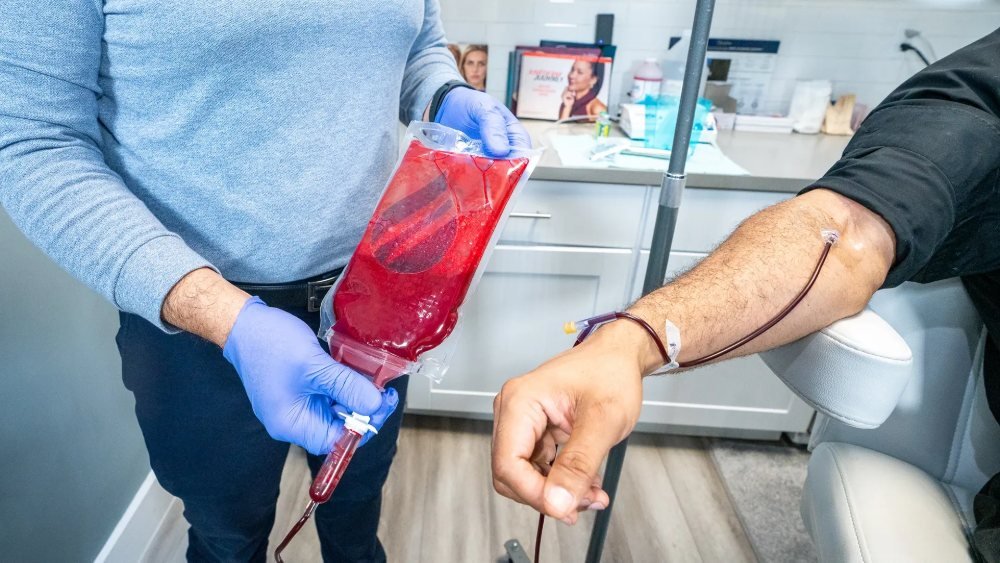
Practitioners have explored different ozone-based approaches, including topical applications and procedures involving blood or other tissues. These methods have different risks and potential effects.
Some proponents suggest that ozone may influence oxidative stress, inflammation, or tissue-related processes. However, proposed biological mechanisms do not prove clinical benefits, and evidence remains limited or inconsistent for many applications.
Potential Benefits of Ozone Therapy: What Does Research Say?
.jpg?width=600&height=600&name=Not%20Your%20Average%20IV%20Drip%20Blog%20-%20Inside%20Image%20-%203-19-25%20(2).jpg)
Interest in ozone therapy often focuses on circulation, recovery, inflammation, and general wellness. However, these proposed benefits require careful evaluation.
1. Circulation and Tissue Health
Researchers have investigated whether certain ozone-based procedures affect circulation-related measures and tissue healing. However, findings from one treatment method cannot automatically apply to others.
Current evidence does not establish that systemic ozone therapy reliably increases oxygen delivery throughout the body or improves energy levels in healthy individuals. Persistent fatigue or circulation problems require appropriate medical assessment.
2. Inflammation and Recovery
Some studies have examined ozone therapy in clinical settings involving musculoskeletal conditions and wound care. Results vary depending on the treatment method, study quality, and condition being investigated.
Ozone therapy is not an established treatment for systemic inflammation or faster recovery in every patient. Evidence-based medical care remains important when addressing injuries and ongoing health concerns.
3. Immune System Function
Some proponents suggest that ozone therapy may influence immune responses. However, laboratory findings do not necessarily translate into meaningful improvements in human health.
Reliable evidence does not establish that ozone therapy strengthens immunity, prevents infections, or treats autoimmune diseases. People with immune-related conditions should consult their healthcare professionals before considering complementary treatments.
4. General Wellness and Healthy Aging
Some individuals explore complementary treatments as part of their interest in healthy aging. However, current evidence does not establish ozone therapy as a proven anti-aging or detoxification treatment.
The body already has natural systems for processing and eliminating waste products. Claims that ozone therapy removes unspecified toxins or reverses aging should be evaluated critically.
What Happens During an Ozone Therapy Consultation?
Anyone exploring Ozone Therapy in Fort Lauderdale should understand the proposed procedure and its medical rationale before making a decision.
A responsible consultation should cover:
- Medical history: Review existing conditions, medications, allergies, and previous treatments.
- Treatment method: Understand the proposed procedure and the evidence supporting its use.
- Expected outcomes: Discuss realistic expectations and treatment limitations.
- Safety precautions: Ask about risks, contraindications, and alternative options.
- Follow-up care: Clarify monitoring requirements and when further medical evaluation may be necessary.
A consultation should support informed decisions rather than promise guaranteed results.
Ozone Therapy Safety: Important Considerations
Safety is essential because ozone is toxic when inhaled and can damage the respiratory system. Medical procedures involving ozone also carry risks that depend on the method used.
Procedures involving blood or intravenous access may introduce additional complications. Evidence does not establish the safety of every application, and long-term safety information remains limited.
Consult a qualified healthcare professional before considering treatment. Never inhale ozone or use ozone-generating devices as a substitute for medical care. Ozone therapy should not replace prescribed medication or established treatment for an existing condition.
The U.S. Food and Drug Administration describes ozone as a toxic gas with no known useful medical application in specific, adjunctive, or preventive therapy. This is an important consideration when evaluating claims about its effectiveness.
Who Should Seek Medical Advice Before Ozone Therapy?
Anyone considering an ozone-based procedure should consult a qualified healthcare professional, particularly when managing an ongoing medical condition, taking prescription medication, or receiving treatment for an infection or serious illness.
A healthcare professional can explain established treatment options, assess potential risks, and help determine whether a proposed procedure has sufficient supporting evidence. Avoid delaying necessary medical care in favor of unproven alternatives.
Exploring Ozone Therapy in Fort Lauderdale
When researching wellness services, prioritize transparency, professional oversight, and reliable medical information. Ask providers about the exact procedure, available evidence, potential risks, and realistic outcomes.
At Liquivida Wellness Center, we encourage individuals researching Ozone Therapy in Fort Lauderdale to make informed decisions based on their health needs and professional medical guidance. Understanding the research and safety considerations can help you evaluate treatment options and make choices that support your overall well-being.