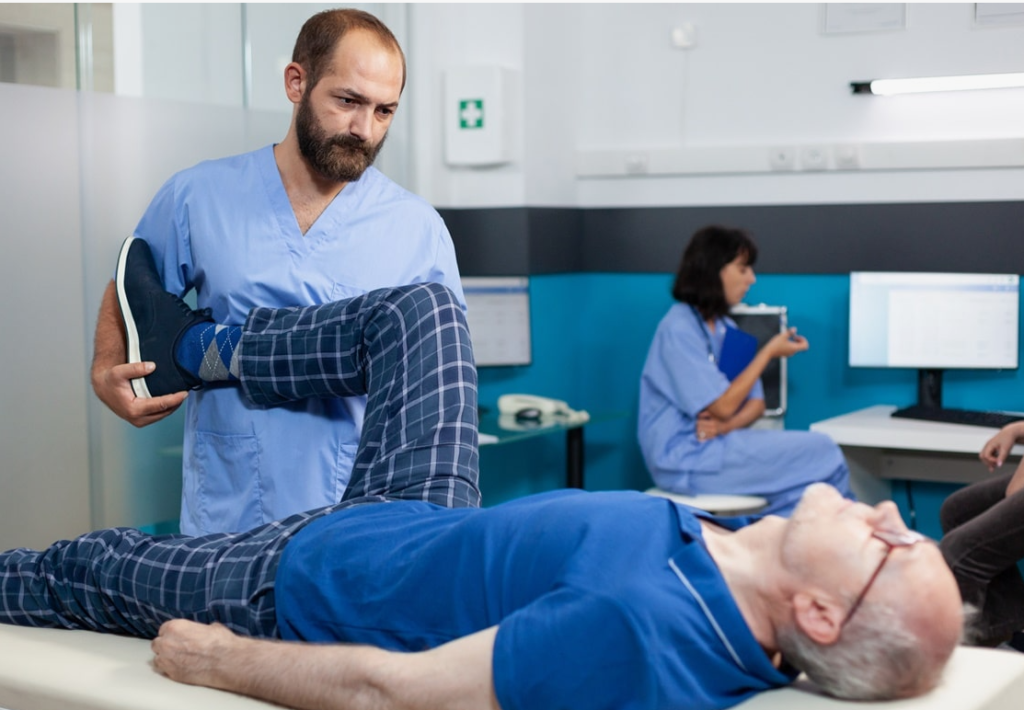
Musculoskeletal pain and injuries can affect nearly every part of daily life, from walking and exercising to working, sleeping, and completing routine household tasks. Orthopedic physical therapy focuses on conditions involving the muscles, joints, bones, tendons, ligaments, and related movement systems. For people dealing with an injury, recovering after surgery, or experiencing ongoing discomfort, a structured rehabilitation program can provide a practical path toward restoring mobility and physical function. Rather than focusing only on symptoms, orthopedic rehabilitation generally considers how strength, flexibility, coordination, movement mechanics, and daily habits contribute to a person’s overall physical limitations.
Choosing appropriate Orthopedic Physical Therapy Ashburn services can be especially valuable for individuals who want treatment tailored to their specific condition and goals. A recreational athlete may need guidance for returning to a sport, while an office professional may be more concerned with reducing limitations caused by prolonged sitting or repetitive movements. Older adults may prioritize balance, stability, and independence, whereas someone recovering from surgery may need carefully progressed exercises to rebuild strength. Understanding what orthopedic physical therapy involves can help patients make informed decisions about rehabilitation and become more active participants in their recovery.
What Is Orthopedic Physical Therapy?
Orthopedic physical therapy is a specialized area of rehabilitation designed to address problems affecting the body’s musculoskeletal system. These problems can result from acute injuries, repetitive stress, surgery, aging, poor movement patterns, or reduced physical activity. During an evaluation, a physical therapist may assess joint mobility, muscle strength, flexibility, balance, posture, coordination, and functional movement. The findings can then be used to develop a treatment plan based on the patient’s condition and objectives. Treatment may include therapeutic exercises, mobility training, strengthening, manual techniques, movement education, and activity modification. The specific combination depends on the person’s needs rather than following a fixed routine. This individualized approach allows rehabilitation to progress as physical abilities improve and can help patients understand how their body responds to different types of movement and activity.
Common Conditions Addressed Through Orthopedic Rehabilitation
Orthopedic rehabilitation can be relevant to a wide range of musculoskeletal conditions. People may seek physical therapy for back or neck discomfort, shoulder problems, knee injuries, hip limitations, ankle injuries, tendon issues, muscle strains, or joint stiffness. Sports injuries are another common reason for rehabilitation, particularly when an individual wants to return to physical activity without rushing the recovery process. Physical therapy may also be incorporated following orthopedic surgery, when appropriate, to help restore mobility and gradually rebuild strength and function. The treatment approach varies according to the condition, its severity, the patient’s physical history, and any recommendations from other healthcare professionals. A comprehensive assessment is important because similar symptoms can arise from different underlying factors. Identifying the relevant movement limitations helps create a more targeted rehabilitation strategy.
The Importance of a Personalized Treatment Plan
A rehabilitation program should reflect the individual rather than simply the diagnosis. Someone with knee pain who spends most of the day at a desk may have different functional requirements from someone whose job involves lifting, climbing, or standing for long periods. Likewise, an athlete preparing to return to competition may need more advanced strength, coordination, and activity-specific training than someone focused on comfortable everyday movement. A personalized plan takes these differences into consideration by establishing appropriate goals and selecting exercises that match the patient’s current abilities. As strength and movement improve, exercises can be adjusted to introduce new challenges. This progressive structure can make rehabilitation more purposeful because patients can see how individual exercises relate to the activities they want to perform.
How Exercise Supports Orthopedic Recovery
Therapeutic exercise is often an important component of orthopedic rehabilitation because physical capacity generally improves through appropriately managed movement and progressive loading. Depending on the condition, exercises may focus on strengthening weakened muscles, improving joint mobility, developing balance, enhancing coordination, or increasing tolerance for specific activities. Proper technique matters because performing an exercise incorrectly can reduce its usefulness or place unnecessary stress on other parts of the body. Progression also needs to be appropriate; increasing resistance, repetitions, range of motion, or activity too quickly may not be suitable for every stage of recovery. A physical therapist can monitor movement quality and adjust the program based on the patient’s response. This helps create a structured progression from basic movements toward more demanding functional activities when appropriate.
What Patients Can Expect During Treatment
The first stage of physical therapy typically involves learning about the patient’s symptoms, medical history, activity level, and rehabilitation objectives. The therapist may then conduct physical tests to understand mobility, strength, balance, movement patterns, and functional limitations. Based on the evaluation, the patient can receive a treatment plan that explains the general direction of rehabilitation and the role of exercises or other interventions. Follow-up appointments provide opportunities to assess changes and modify the program as needed. Patients may also receive exercises or movement recommendations to complete between sessions. Consistency can be important because rehabilitation is usually a gradual process rather than an immediate fix. Patients who communicate clearly about changes in symptoms, exercise difficulty, work demands, and activity levels can provide useful information that helps keep treatment aligned with their current needs.
Selecting an Orthopedic Physical Therapy Provider in Ashburn
When comparing physical therapy practices, patients should consider factors such as the provider’s experience with their type of condition, approach to evaluation, communication style, treatment environment, and ability to create individualized rehabilitation plans. Convenience also matters because regular participation can be easier when appointments fit realistically into a person’s schedule. It is useful to choose a practice where questions are welcomed and treatment goals are discussed clearly. Patients may also want to understand how the provider approaches exercise progression and functional training, particularly if their objective involves returning to sports, work, or a physically demanding hobby. A thoughtful provider should recognize that recovery looks different for every person and should adapt treatment accordingly rather than assuming that identical symptoms require identical rehabilitation.
Supporting Recovery Outside the Clinic
What happens between appointments can play an important role in maintaining rehabilitation momentum. Patients should follow their prescribed exercise program as instructed and pay attention to movement quality rather than simply trying to complete as many repetitions as possible. Adequate rest and gradual increases in activity can also be important, especially when recovering from an injury or procedure. Everyday habits may influence comfort and function as well. Workstation setup, lifting technique, footwear, exercise routines, and activity levels can all affect how the body handles physical demands. A physical therapist can provide guidance relevant to these circumstances when appropriate. Most importantly, patients should communicate when an exercise consistently causes unexpected symptoms or when their daily activity level changes, since these details may indicate that the rehabilitation plan needs adjustment.
Conclusion
Orthopedic physical therapy provides a structured approach to addressing musculoskeletal limitations while helping patients work toward meaningful functional goals. Through individualized evaluation, therapeutic exercise, progressive strengthening, mobility work, movement education, and consistent communication, rehabilitation can address the specific challenges associated with an injury or physical limitation. People researching Orthopedic Physical Therapy Ashburn should consider providers that emphasize personalized care and practical rehabilitation rather than relying on a standardized approach. Whether the goal is returning to exercise, rebuilding strength after surgery, improving mobility, or becoming more comfortable with everyday activities, a well-planned rehabilitation process can provide useful guidance at each stage. Taking recovery step by step and working closely with a qualified physical therapist can help patients build a stronger foundation for confident, sustainable movement.