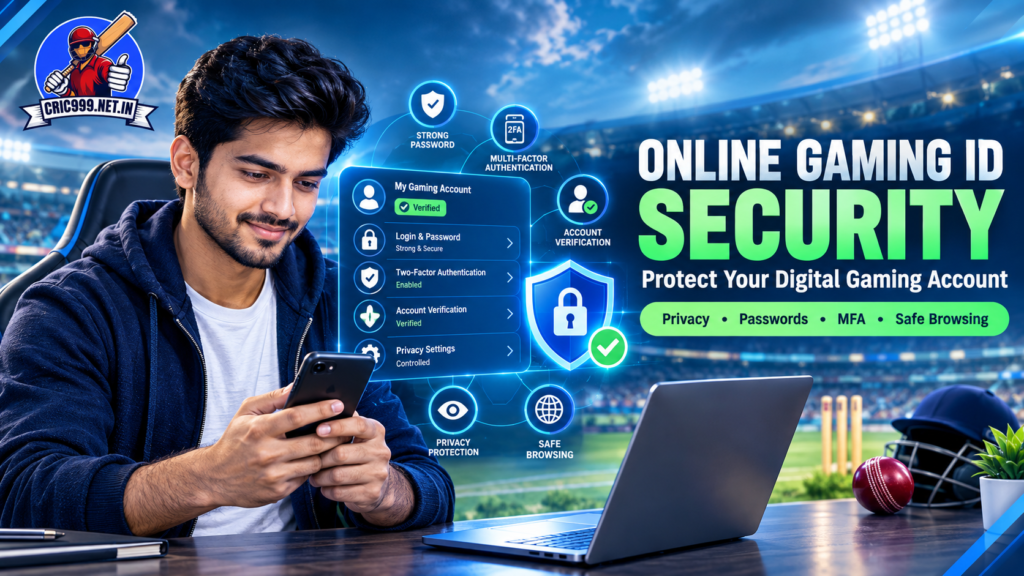
Online gaming has become one of the most popular forms of entertainment, connecting millions of players through smartphones, computers and digital platforms. Whether people play strategy games, sports games or multiplayer titles, digital accounts now play an important role in the gaming experience. An Online Gaming ID acts as a player’s digital identity, storing preferences, achievements and account-related information.
As gaming communities continue to grow, account security has become just as important as gameplay. Players often interact with websites, social-media groups, shared links and gaming communities, making it essential to understand how to protect personal information and maintain safe online habits.
This guide explains practical account-safety practices that can help players use an Online Gaming ID more responsibly.
Why Account Safety Matters
Gaming accounts can contain valuable information such as usernames, email addresses, preferences and communication history. If players do not follow good security practices, they may become vulnerable to phishing attempts, fake websites or account misuse.
A secure account not only protects personal information but also creates a safer gaming experience. Simple habits can reduce risks and help players avoid unnecessary problems while interacting with online platforms.
Create Strong and Unique Passwords
One of the most important steps in account protection is using strong passwords.
A good password should:
- Contain a mix of letters, numbers and symbols
- Be difficult to guess
- Avoid personal information such as birthdays
- Be unique for each account
Using the same password across multiple websites can increase risk. If one account is compromised, other accounts using the same password may also become vulnerable.
Password managers can also help users create and store strong passwords securely.
Enable Multi-Factor Authentication
Many digital platforms now offer Multi-Factor Authentication (MFA), also called two-step verification.
This extra security layer may require:
- A verification code
- An authentication app
- A confirmation message
Even if someone learns your password, MFA can make unauthorized access more difficult.
Players should also remember that verification codes and OTPs should never be shared with others.
Be Careful With Links and Websites
Players often receive gaming-related links through social media, messaging groups and online communities. However, not every link is trustworthy.
Before opening a website, check:
- The full domain name
- Spelling differences
- Unusual characters
- Unexpected redirects
- Website transparency
A professional-looking page does not automatically prove authenticity.
Users should be especially cautious of links that create unnecessary urgency, promise unrealistic rewards or request sensitive information without explanation.
Protect Personal Information
Many online risks can be reduced by limiting unnecessary sharing of personal data.
Players should avoid sharing:
- Passwords
- OTPs
- Banking details
- Personal identification documents
- Sensitive screenshots
Before providing any information, users should ask:
- Why is this information needed?
- Is the request reasonable?
- Is the website genuine?
Thinking carefully before sharing personal information is an important part of digital safety.
Keep Devices and Software Updated
Security updates help protect devices from known threats.
Players should regularly update:
- Operating systems
- Browsers
- Apps
- Antivirus tools
Using updated software improves security and reduces vulnerabilities that could affect online accounts.
Recognise Common Warning Signs
Some warning signs deserve extra attention:
- Unrealistic promises
- Pressure to act immediately
- Suspicious links
- Poor website quality
- Requests for unnecessary information
- Fake customer-support accounts
- Lookalike domains
One warning sign does not always mean a website is unsafe, but multiple signs together should encourage users to verify the source carefully.
Responsible Gaming and Digital Awareness
Online gaming should remain an enjoyable and positive activity. Responsible digital behaviour helps players protect themselves while participating in gaming communities.
Good habits include:
- Verifying websites
- Using strong passwords
- Protecting personal information
- Avoiding suspicious links
- Staying informed about online safety
Digital awareness is becoming an important skill for every internet user, including gamers.
Frequently Asked Questions
1. What is an Online Gaming ID?
An Online Gaming ID is a digital account or profile used to access games, track progress, interact with communities and manage gaming-related settings.
2. Why are strong passwords important for gaming accounts?
Strong passwords help protect accounts from unauthorized access. Unique passwords reduce the risk of multiple accounts being affected if one password becomes compromised.
3. What should players do before clicking gaming-related links?
Players should verify domain names, check website authenticity and avoid suspicious or shortened links from unknown sources.
4. How can players improve account security?
Players can improve security by enabling multi-factor authentication, using strong passwords, updating devices regularly and avoiding sharing sensitive information such as OTPs and passwords.
Conclusion
An Online Gaming ID is more than just a username—it represents a player’s digital identity. Protecting that identity requires a combination of strong passwords, careful browsing, account verification and responsible online behaviour.
Players should avoid sharing sensitive information, verify unfamiliar websites and remain cautious of suspicious messages or links. Small security habits can make a significant difference over time.
Online gaming continues to evolve, and digital awareness remains one of the best tools players can use to enjoy a safer and more secure experience.