Moles are common skin features that can vary considerably in size, shape, colour, and location. While many people simply leave them alone, others may consider removal because of their appearance, location, or the way a mole interacts with clothing or everyday activities.
For people considering Mole Removal in London, treatment planning is not usually a one-size-fits-all process. A practitioner should first assess the mole and surrounding skin before discussing whether removal is appropriate and which approach may be suitable.
The location, size, appearance, depth, and characteristics of an individual mole can all influence the treatment plan. Personal preferences also matter, particularly when the mole is located on a visible area such as the face or neck.
At bodyvie clinic, patients can discuss their concerns and receive an individual assessment before treatment is planned. Understanding how this assessment works can help patients approach mole removal with clearer expectations.
Why Mole Removal Requires Individual Planning
Every mole is different.
Some are small and relatively flat, while others may be raised or attached more prominently to the skin. Their location can also vary from the face and neck to the torso, arms, legs, or other areas.
Because of these differences, a practitioner needs to assess each mole individually.
Treatment planning can consider the mole’s appearance, size, location, relationship with surrounding skin, and the patient’s desired outcome.
What Happens During a Mole Assessment?
The first stage of Mole Removal Treatment in London is generally a consultation and assessment.
The practitioner can examine the mole and ask questions about its history, including how long it has been present and whether the patient has noticed any changes.
The surrounding skin may also be examined.
The purpose is to understand the characteristics of the mole and determine whether it is appropriate for removal.
Assessing the Appearance of the Mole
A practitioner may assess several visible characteristics of a mole.
These can include its:
- Colour
- Shape
- Size
- Surface
- Border
- General appearance
A detailed assessment provides a better understanding of what is being treated.
Patients should mention any changes they have noticed because this information can be relevant to the clinical assessment.
Considering the Mole’s Location
Location plays an important role in personalised treatment planning.
A mole on the cheek may require different planning from one on the shoulder because the skin characteristics, visibility, and cosmetic considerations differ.
Similarly, a mole in an area exposed to regular friction from clothing may need to be approached differently from one in a less exposed location.
The practitioner can consider these factors when recommending an appropriate treatment approach.
Facial Mole Removal Planning
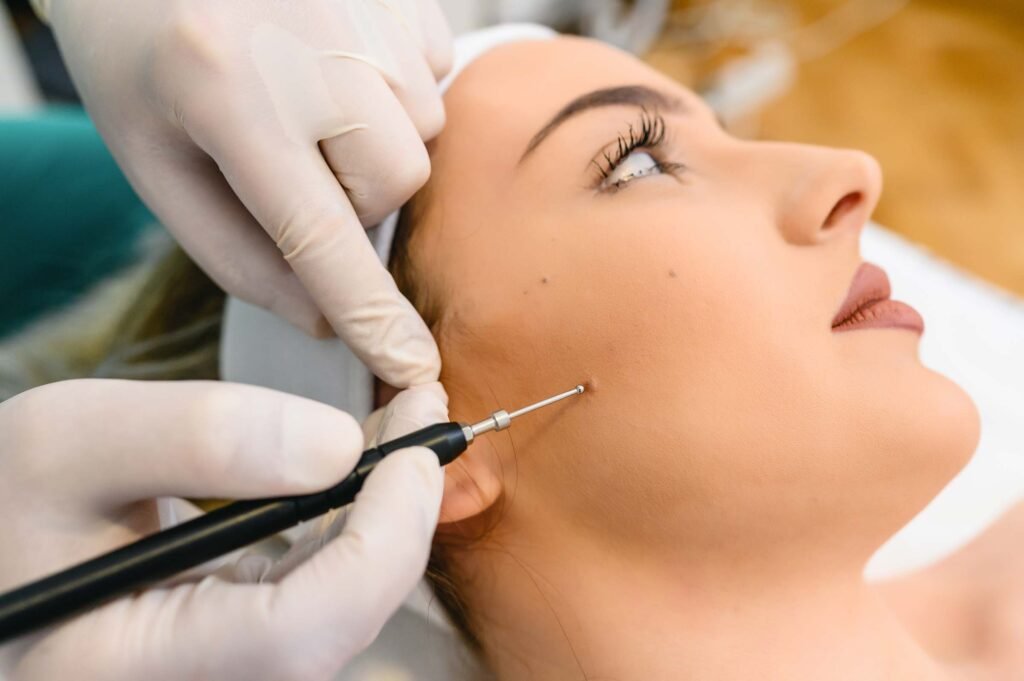
Moles on the face often require particularly careful planning because the area is highly visible.
Patients may be especially interested in how the treated area will look during the recovery process and once the skin has settled.
The practitioner can assess the mole in relation to surrounding facial features and discuss the treatment method that may be appropriate.
Individual skin characteristics are also considered when planning treatment.
Neck Mole Removal Planning
The neck is another common area where people may seek mole removal.
Moles in this area can sometimes come into contact with collars, necklaces, or other clothing.
During consultation, the practitioner can consider the location and size of the mole and discuss the most appropriate removal approach.
Aftercare instructions may also take everyday friction into account.
Body Mole Removal Planning
Moles on the chest, back, arms, legs, or other areas can also be assessed for removal.
The treatment plan may depend on the size and type of mole, its location, and how the area is affected by clothing or movement.
For example, a mole near a waistband may require different aftercare considerations from one on the upper arm.
Understanding the Patient’s Reason for Removal
Personalised treatment planning also involves understanding why the patient wants the mole removed.
Some people may be concerned about its appearance, while others may find that it catches on clothing or jewellery.
The practitioner can discuss these concerns during consultation.
Knowing the patient’s priorities can help guide the conversation around treatment and expected outcomes.
Choosing the Appropriate Removal Technique
The most appropriate removal method depends on the characteristics of the individual mole.
Depending on the assessment, techniques may include procedures such as surgical excision or shave removal.
The practitioner can explain which approach is suitable and why.
The decision may depend on factors such as the mole’s size, depth, shape, location, and clinical characteristics.
Shave Removal
Shave removal may be considered for certain raised moles where the practitioner determines that this technique is appropriate.
The procedure involves removing the protruding portion of the mole using a suitable medical technique.
Whether this approach is suitable depends on the individual mole and the practitioner’s assessment.
Patients can discuss the expected treatment process during consultation.
Surgical Excision
Surgical excision may be considered for certain moles where removal of the full lesion is appropriate.
The practitioner removes the mole using a minor surgical procedure, and the resulting area is managed according to the location and size of the lesion.
This approach may involve stitches depending on the individual circumstances.
The practitioner can explain the procedure and expected recovery before treatment.
Why the Size of the Mole Matters
The size of a mole can influence the treatment approach.
A small mole may require a relatively straightforward procedure, while a larger mole may require more detailed planning.
The size of the surrounding area can also influence aftercare and recovery.
Rather than using a standard approach for every mole, the practitioner can adapt the treatment according to its individual characteristics.
Considering Skin Type and Characteristics
Individual skin characteristics can influence the way the skin responds to treatment.
The practitioner may consider factors such as skin tone, thickness, texture, and previous healing history when discussing the procedure.
This information can be useful when explaining what the treated area may look like during recovery.
Assessing Previous Skin Treatments
Patients should inform the practitioner about previous treatments involving the same area.
This may include previous mole procedures, laser treatments, surgical procedures, or other dermatological treatments.
Understanding the treatment history allows the practitioner to take previous procedures into account when developing a plan.
Discussing the Expected Appearance
Patients often want to know how the treated area may look after mole removal.
The practitioner can explain the expected recovery process based on the chosen technique, location, and individual skin characteristics.
It is important to understand that the appearance of the treated area can change as the skin recovers.
The final appearance can vary between individuals.
Personalising Aftercare
Aftercare is another important component of Mole Removal Treatment in London.
Instructions can vary depending on the treatment technique and location.
The practitioner may provide guidance regarding:
- Cleaning the area
- Dressing changes
- Skincare
- Sun protection
- Exercise
- Clothing
- Makeup when the face is treated
- Follow-up appointments
Following personalised instructions helps patients understand how to care for the treated area.
Sun Protection After Mole Removal
Sun protection may be particularly important while treated skin is recovering.
The practitioner can explain when sunscreen can be applied and how the area should be protected from direct sunlight.
This advice can vary according to the treatment method and location.
Patients should follow the clinic’s specific recommendations.
Planning Around Daily Activities
Treatment planning can also take the patient’s daily routine into consideration.
For example, someone who regularly participates in sports or works outdoors may need to consider how the treatment area will be affected during recovery.
Similarly, people with facial moles may need to consider makeup and skincare routines.
Discussing these factors before treatment allows the practitioner to provide appropriate guidance.
Considering Cosmetic Priorities
For visible moles, cosmetic considerations may form an important part of the consultation.
Patients can explain how they would like the treated area to look once the skin has recovered.
The practitioner can then discuss what can realistically be expected based on the mole’s characteristics and the selected treatment technique.
Individual expectations should form part of the treatment discussion.
When a Mole Requires Further Assessment
Not every skin growth that looks like a mole should automatically be removed as a cosmetic procedure.
If a practitioner identifies features that require further clinical assessment, they may recommend appropriate investigation before proceeding with removal.
This is one reason why professional assessment is important.
Patients should also mention any noticeable changes in a mole’s size, shape, colour, or appearance.
Choosing a Mole Removal Clinic in London
When looking for a Mole Removal Clinic London, patients should consider the clinic’s assessment process, practitioner qualifications, experience, treatment options, and aftercare support.
A suitable clinic should provide an opportunity to discuss the mole in detail before treatment is planned.
At bodyvie clinic, patients can discuss their concerns and receive an individual assessment before deciding on a suitable treatment approach.
What to Ask During Your Consultation
Before undergoing Mole Removal in London, patients may wish to ask:
- What type of mole do I have?
- Is removal appropriate for me?
- Which removal technique is recommended?
- Why is this technique suitable for my mole?
- How will the location affect the procedure?
- What should I expect during recovery?
- How should I care for the treated area?
- When can I return to normal activities?
- Will I need a follow-up appointment?
- What should I expect the treated area to look like as it heals?
These questions can help patients understand the treatment plan before making a decision.
Preparing for Mole Removal
Preparation begins with a thorough consultation.
Patients should provide accurate information about their medical and treatment history and mention any changes they have noticed in the mole.
It can also be helpful to explain why removal is being considered and what outcome the patient hopes to achieve.
This allows the practitioner to create a plan based on both clinical assessment and individual preferences.
Understanding the Recovery Process
Recovery varies according to the removal method, location, and size of the treated area.
The skin may initially appear different from the surrounding area and gradually change as it recovers.
The practitioner can provide information about the expected stages of recovery and explain when normal skincare and activities can be resumed.
Patients should follow the specific aftercare instructions provided by their practitioner.
The Role of Follow-Up
Follow-up can be an important part of personalised care.
A practitioner may recommend reviewing the treated area after a suitable period to assess how the skin is recovering.
Follow-up also provides an opportunity to discuss any questions about skincare or the appearance of the area.
The timing of a review depends on the individual treatment plan.
Conclusion
Mole Removal in London is not simply about choosing a removal method. A personalised treatment plan begins with a detailed assessment of the individual mole, its characteristics, location, surrounding skin, and the patient’s reasons for seeking treatment.
Factors such as size, appearance, depth, skin characteristics, and treatment history can influence which removal technique is appropriate. Facial moles may require particular consideration because of their visibility, while moles in areas exposed to clothing or regular movement may require specific aftercare planning.
Mole Removal Treatment in London should also include clear information about recovery, skincare, sun protection, and follow-up. Understanding these aspects before treatment can help patients know what to expect throughout the process.
For people considering a Mole Removal Clinic London, choosing a provider that offers professional assessment and personalised treatment planning is an important part of making an informed decision.
At bodyvie clinic, patients can discuss their individual concerns and receive guidance based on an assessment of their mole and surrounding skin. A carefully planned approach can help ensure that treatment is tailored to the individual rather than based on a standard procedure.
FAQs
What is Mole Removal in London?
Mole Removal in London refers to procedures used to remove suitable moles following an appropriate professional assessment. The treatment method depends on the characteristics and location of the mole.
What is Mole Removal Treatment in London?
Mole Removal Treatment in London includes different techniques that may be used to remove suitable moles. The practitioner determines the most appropriate method after assessing the individual lesion.
How is mole removal treatment personalised?
Treatment can be personalised according to the mole’s size, appearance, location, depth, surrounding skin, patient’s preferences, and previous treatment history.
Which mole removal methods may be available?
Depending on the assessment, methods may include shave removal or surgical excision. The appropriate technique depends on the individual mole.
Can facial moles be removed?
Suitable facial moles may be considered for removal following professional assessment. Facial location can be an important consideration when planning treatment and aftercare.
Can moles on the neck be removed?
Yes, suitable moles on the neck can be assessed for removal. The practitioner can consider their location and any friction caused by clothing or jewellery.
Does mole size affect treatment planning?
Yes. The size and characteristics of the mole can influence the removal method and the expected treatment and recovery process.
Does skin type affect mole removal planning?
Individual skin characteristics can be considered during treatment planning. The practitioner may assess factors such as skin tone, thickness, and previous healing history.
What happens during a mole removal consultation?
The practitioner examines the mole, discusses its history and your reasons for removal, assesses the surrounding skin, and explains suitable treatment options.
Can I discuss cosmetic concerns during the consultation?
Yes. Patients can explain their aesthetic preferences and concerns. The practitioner can then discuss what may realistically be expected from the selected treatment.
How long does recovery take after mole removal?
Recovery varies according to the treatment technique, mole size, location, and individual skin characteristics. The practitioner can provide specific recovery guidance.
Will I need a follow-up appointment?
A follow-up may be recommended depending on the treatment method and individual circumstances. Your practitioner can explain the appropriate review schedule.
What should I tell my practitioner before mole removal?
Tell your practitioner about changes you have noticed in the mole, previous treatments to the area, relevant medical history, and your reasons for seeking removal.
How do I choose a Mole Removal Clinic London?
When choosing a Mole Removal Clinic London, consider practitioner qualifications, experience, the quality of the assessment process, treatment options, and aftercare support.
Is professional assessment necessary before mole removal?
Yes. A professional should assess a mole before removal to determine whether it is suitable for treatment and whether any additional clinical assessment is appropriate.