Melasma In Manchester – Targeted Solutions for Hormonal Skin Discoloration
Understanding Melasma In Manchester
What Is Melasma?
Melasma In Manchester refers to a common skin condition characterized by brown, gray-brown, or patchy pigmentation that typically appears on the face. It is most often linked to hormonal fluctuations, sun exposure, and genetic predisposition. While it is medically harmless, it can be persistent and affect skin confidence and appearance.
Why It Is Common in Manchester
In a city like Manchester, where seasonal weather shifts are frequent and UV exposure can still be significant even on cloudy days, pigmentation issues like melasma can develop or worsen. Indoor heating, environmental stressors, and inconsistent sun protection habits can also contribute to uneven skin tone over time.
Causes and Triggers of Melasma
Hormonal Influences
Hormonal changes are one of the strongest contributors to melasma. Pregnancy, contraceptive use, and natural hormonal fluctuations can all stimulate excess melanin production, leading to visible patches on the skin.
Sun Exposure and Light Sensitivity
Even minimal UV exposure can trigger pigmentation activity. Blue light from screens and artificial lighting may also play a role in worsening discoloration for some individuals.
Genetic and Skin Type Factors
People with medium to darker skin tones or a family history of pigmentation disorders are more likely to develop melasma. Skin that is more reactive to inflammation can also show pigmentation more easily.
Identifying Symptoms of Melasma In Manchester
Common Appearance Patterns
Melasma usually presents as symmetrical patches on:
- Cheeks
- Forehead
- Upper lip
- Chin
These patches often become more visible after sun exposure or hormonal shifts.
Early Signs to Watch For
Early pigmentation may appear as mild uneven skin tone before developing into more defined patches. Addressing these early signs can help maintain a more balanced complexion.
Advanced Understanding of Hormonal Skin Discoloration
How Hormones Affect Skin Pigmentation
Hormones influence melanocytes, the cells responsible for pigment production. When these cells become overactive, they produce excess melanin, resulting in visible discoloration.
Skin Barrier and Pigment Interaction
A weakened skin barrier can make pigmentation more stubborn. When the skin is inflamed or dehydrated, melanin distribution becomes uneven, making patches appear darker and more persistent.
Melasma In Manchester Treatment Approaches
Personalized Dermatology Assessments
Effective management of Melasma In Manchester begins with a detailed skin evaluation. Understanding skin type, hormonal background, and lifestyle factors helps guide the most suitable treatment plan.
Topical Skin Treatments
Dermatology-led topical treatments often focus on:
- Regulating melanin production
- Improving skin cell turnover
- Enhancing overall skin brightness
These are typically tailored to individual skin sensitivity and pigmentation depth.
Advanced Clinical Procedures
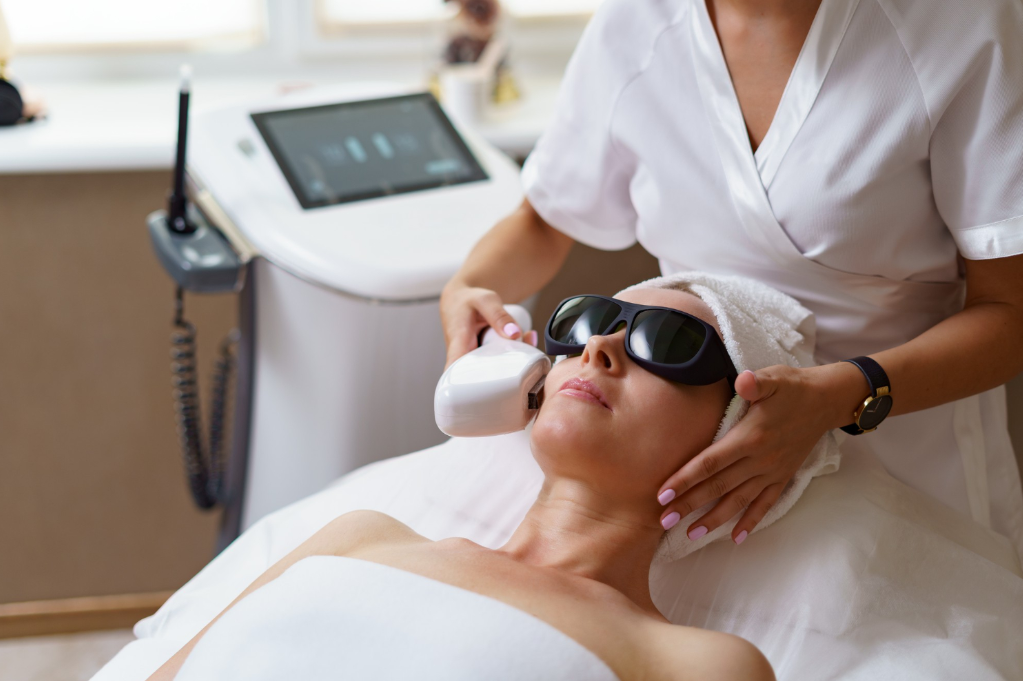
Modern aesthetic medicine offers several advanced options, such as:
- Chemical resurfacing treatments
- Laser-based pigment targeting
- Light-based skin rejuvenation therapies
These procedures are designed to gradually reduce pigmentation visibility and improve skin uniformity.
Professional Care at SLA Medical Clinic
Expert-Led Pigmentation Solutions
SLA Medical Clinic is recognized for providing specialized care in pigmentation and skin tone correction. SLA Medical Clinic focuses on personalized treatment plans designed to address the root causes of melasma rather than just surface symptoms.
Customized Treatment Planning
Every skin journey is unique. At SLA Medical Clinic, patients receive tailored consultations that evaluate hormonal factors, pigmentation depth, and skin sensitivity before recommending a treatment pathway.
Modern Aesthetic Technology
The clinic integrates advanced dermatological technologies aimed at improving skin clarity and supporting long-term tone balance. These approaches are designed to work gradually for natural-looking improvements.
Lifestyle Factors Supporting Clearer Skin
Daily Sun Protection Habits
Consistent use of sun protection is essential in managing pigmentation. Even indirect daylight exposure can influence melanin activity, making protective skincare a key part of maintenance.
Skin-Friendly Nutrition
A balanced diet rich in antioxidants, vitamins, and hydration-supporting foods can help support skin health from within. Nutritional balance plays a subtle but important role in skin clarity.
Stress and Hormonal Balance
Stress can indirectly influence hormonal fluctuations, which may contribute to pigmentation changes. Maintaining a stable routine supports overall skin wellness.
Long-Term Management of Melasma In Manchester
Consistency in Skincare Routine
Managing Melasma In Manchester requires consistent care rather than short-term solutions. Regular use of dermatologist-recommended skincare products helps maintain visible improvements.
Ongoing Professional Follow-Ups
Periodic consultations ensure that treatment plans remain effective as skin conditions evolve. Adjustments may be made based on seasonal changes or hormonal shifts.
Preventing Recurrence of Pigmentation
While melasma can be persistent, ongoing maintenance strategies significantly help in controlling recurrence and maintaining a more even complexion.
Conclusion
Melasma In Manchester is a complex but manageable skin condition influenced by hormonal activity, environmental exposure, and individual skin characteristics. With the right combination of clinical care, lifestyle adjustments, and expert guidance, noticeable improvement in skin tone is achievable. Clinics like SLA Medical Clinic play an important role in offering structured, personalized solutions for those seeking clearer and more balanced skin.