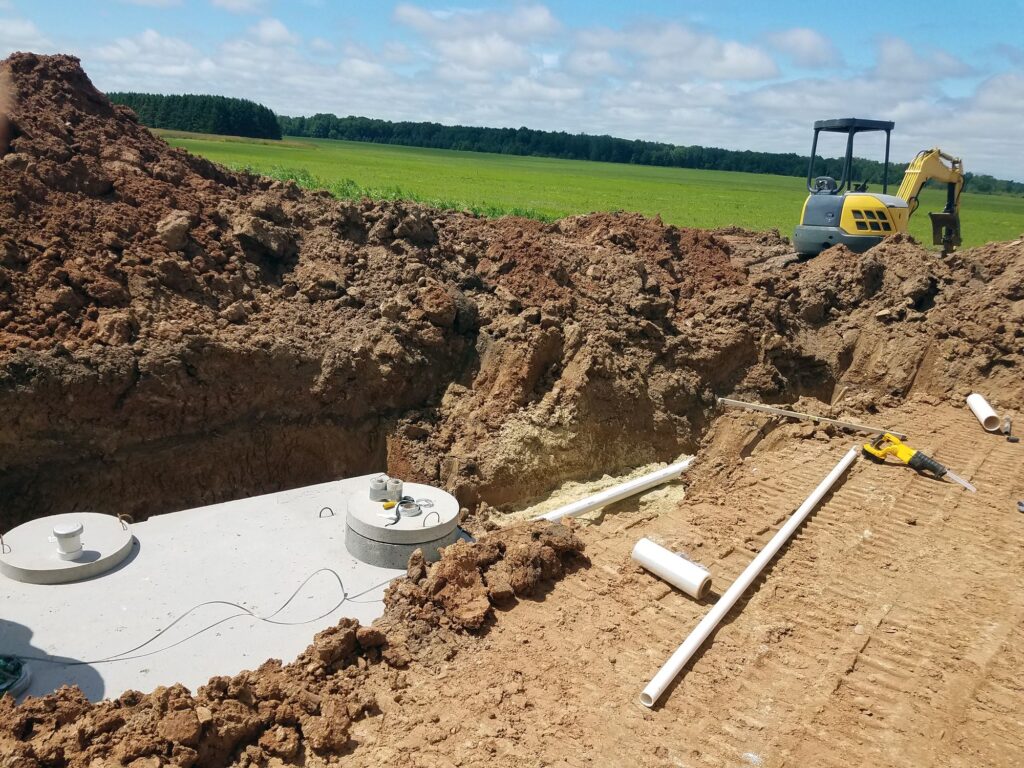
A new home being constructed in the stunning rural regions beyond Cedar Rapids, or replacing the failing water system in your existing property, can bring up lots of questions. Since you’re disconnected from the sewerage grid, your home requires an individual well-functioning system for septic to handle the household waste securely. Naturally, the first thing that pops into your mind is the cost.
It can be difficult to navigate the financial aspects of plumbing and excavation work may be a daunting task. If you’re looking into the septic system installation cost in Cedar Rapids It is crucial to realize that there isn’t a universal solution. By separating the main elements that determine the final cost it is possible to approach the project in a way that is clear and real-time budget and avoid unexpected financial costs.
The Average Range: What to Expect
For Eastern Iowa, the cost of an entirely new septic system may differ greatly based on the specific requirements that your land. If you are looking for a conventional, standard gravity-fed system located on an area with good drainage of the soil, you could expect estimates to range between $5,000 to $8,500.
If your property is in a difficult terrain, has excessive groundwater and poor absorption of soil Linn County regulations will require an engineered alternative solution, like mound systems or Sand filter. These advanced systems need specialized pumping, dose tanks and other components, and a complex excavation that can cost in the range of $10,000 to $18,000.
Key Factors That Drive the Final Price
For a clear and precise estimate, the contractor you choose will have to assess several important elements of your home. to unlocking the secrets of human behavior is what will determine the cost of the installation
1. The Mandatory Percolation (Perc) Test
Before even a single shovel touches the soil, Linn County Public Health requires a percolation test by a certified professional. This test evaluates the speed at which the water is able to drain through your soil. If your soil is sand-based and drains well, then you are able to make use of a very affordable trench drain field that is conventional. If you’ve got heavy Iowa clay that stores some water, then the local government may need to implement a more intricate expensive and costly system of engineering to stop wastewater from accumulating in your backyard or contaminating the local groundwater source.
2. House Size and Daily Water Usage
Septic tanks aren’t priced according to the size of your yard instead by how many bedrooms in your house. In the state of Iowa employs the concept of bedrooms count to calculate the maximum daily water consumption. A typical three-bedroom home will require a tank of 1,000 gallons. If you’re building the largest five-bedroom home then you’ll need one of the tanks at 1,500 gals and an even larger, more costly leach field to accommodate the greater volume of effluent.
3. Tank Materials
Septic tanks of the present are usually constructed of precast concrete, tough plastic and fiberglass. Concrete is the standard extremely durable standard used in the Midwest however, it is extremely heavy and requires a lot of excavation equipment to lower it into position. The fiberglass and plastic tanks are less heavy and easy to move around restricted spaces, although the cost of materials can be more expensive. Your contractor can recommend the most suitable material to suit your particular soil conditions and budget.
4. Site Preparation and Excavation
The condition in your garden plays an important impact on the cost of labor. If the site for installation is flat and easy-to-access open space, then the digging team is able to work efficiently and quickly. But if the excavation crew is required to negotiate steep slopes, cut down old trees, tear down the concrete driveway that is already in place, or dig into bedrock with a heavy load The cost of labor and hours on equipment will gradually increase.
The Danger of Cutting Corners
When you’re looking at a massive construction proposal, it can be tempting to choose the most affordable option, or hire an excavator that is not licensed. This is the biggest error a homeowner could make.
Iowa is a state that enforces very strict Time of Transfer (ToT) inspection law. This means that should you decide to ever sell your house the state will require an extensive inspection of the septic system of an accredited professional prior to the deed is legally transferred. If the system was installed improperly without the appropriate Linn County permits, or the “cheap” contractor cut corners and the system is not working it will be legally ordered to remove it and replace it completely before you can even sell your home. The cost of ensuring that the job will be completed properly the first time will protect the value of your home and peace of assurance.
Secure Your Custom Estimate Today
If you are dealing with a service as important as the management of your home’s wastewater You need an expert local partner who is committed to honesty integrity, transparency, and top quality workmanship. A trustworthy local contractor will help you through the complicated Linn County permit process, conduct the required soil tests and will provide an accurate and detailed bid before any work can begin.
Don’t rely solely on calculators online or speculation to create your budget for construction. Contact the dependable excavation and septic specialists in Cedar Rapids today to schedule an evaluation of your site, get all your questions answered and get an accurate, fair estimate for your property.