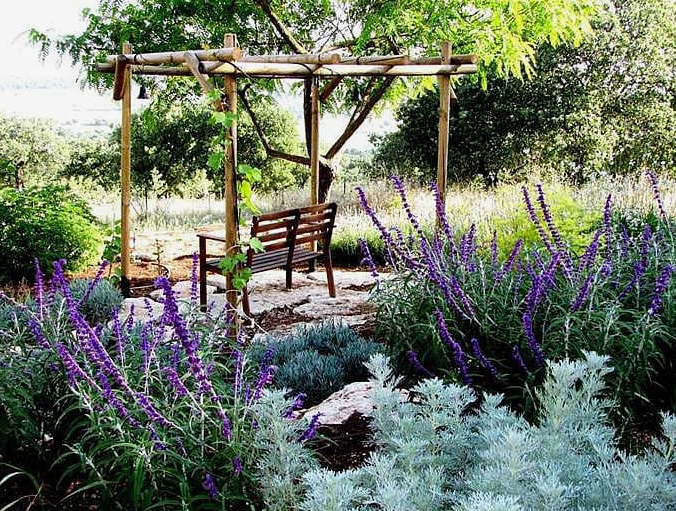
A well-planned landscape can significantly improve the appearance, usability, and overall character of a property. In Grapevine, outdoor spaces need to balance visual appeal with practical considerations such as seasonal weather, soil conditions, drainage, sunlight, and ongoing maintenance. Professional landscaping Grapevine TX services can help homeowners transform ordinary yards into cohesive outdoor environments that complement the architecture and support everyday activities. Whether the goal is to refresh an established landscape, create a welcoming front yard, improve a backyard, or address persistent lawn problems, thoughtful planning provides a stronger foundation for lasting results.
Good landscaping is not simply about adding more plants or decorative features. Every part of an outdoor space should have a purpose and work with the property’s existing conditions. Homeowners researching landscaping Grapevine TX often need solutions that combine design, lawn care, planting, irrigation, drainage, and hardscape elements without creating unnecessary maintenance. Understanding how these components interact makes it easier to develop an outdoor space that remains attractive while also being practical to care for throughout the year.
Understanding the Needs of Grapevine Landscapes
Every property has different characteristics that influence landscape performance. Some yards receive intense afternoon sunlight, while others contain mature trees that create significant shade. Soil composition, grading, existing vegetation, and water movement can also vary from one property to another. These conditions should be evaluated before selecting plants or installing new landscape features. A professional landscape assessment can identify areas that may require soil preparation, improved drainage, irrigation adjustments, or changes to the existing planting arrangement. Starting with the property’s actual conditions helps prevent common problems such as choosing plants that cannot tolerate their location or installing features without considering how rainwater will move through the yard. The result is a landscape plan based on practical requirements rather than appearance alone.
Designing Planting Areas for Year-Round Interest
Planting beds can provide structure, color, texture, and visual transitions between buildings, lawns, walkways, and outdoor living areas. Effective planting design considers how plants will look when they reach maturity rather than focusing only on their appearance when first installed. Trees and shrubs need sufficient space for healthy growth, while smaller plants can be layered around them to create depth and seasonal interest. Sun exposure is another important consideration because plants with different light requirements should be positioned accordingly. A mixture of evergreen and seasonal plants can help maintain visual interest as conditions change throughout the year. Thoughtful spacing also reduces future overcrowding and makes pruning, watering, and other maintenance tasks easier. By treating planting beds as an integrated part of the property’s design, homeowners can create outdoor areas that feel intentional rather than simply filled with individual plants.
Improving Lawn Health Through Proper Preparation
A healthy lawn depends on more than regular mowing. Soil condition, drainage, sunlight, watering practices, grass selection, and seasonal care all influence how turf develops. When establishing or renovating a lawn, proper preparation can be particularly important. Compacted or poorly graded soil may restrict root development and contribute to standing water, while inadequate preparation can make new turf harder to establish. Selecting grass that suits the property’s sunlight and expected use can also improve long-term performance. Areas exposed to heavy activity may require different considerations from lightly used portions of the yard. A professional approach looks at the entire lawn environment before recommending changes, helping homeowners address underlying conditions rather than repeatedly treating visible symptoms.
Creating Functional Outdoor Living Areas
Modern residential landscaping often extends beyond traditional lawns and planting beds. Outdoor living areas can provide space for dining, entertaining, relaxing, or enjoying the yard without requiring major changes to the home’s interior. Patios, seating areas, walkways, shade features, planting borders, and other hardscape components can be arranged to create distinct outdoor zones. The design should account for traffic patterns and the way furniture or equipment will be used so that the finished area remains comfortable and accessible. Drainage should also be considered when installing substantial hardscape surfaces, particularly where runoff could affect nearby planting beds or structures. Combining durable surfaces with carefully selected vegetation can create a balanced environment that feels connected to the rest of the property.
Managing Drainage Before It Becomes a Larger Problem
Drainage is an important but sometimes overlooked part of residential landscape planning. Water that repeatedly collects in low areas can damage plants, create muddy conditions, contribute to erosion, and affect hardscape surfaces. Adding attractive landscaping without first understanding these problems can make future maintenance more complicated. A proper drainage assessment considers grading, runoff patterns, soil characteristics, downspouts, and the locations where water accumulates. Depending on the property, solutions may include grading adjustments, drainage channels, French drains, or other water-management approaches. The appropriate solution depends on the cause and severity of the problem, so homeowners should avoid assuming that one drainage method will work for every yard. Integrating water management into the landscape plan can protect both new and existing improvements.
Choosing Materials That Complement the Property
Hardscape materials contribute substantially to the appearance and functionality of a landscape. Stone, pavers, decorative rock, retaining elements, edging, and other materials can define spaces and provide durable surfaces where grass or planting would not be appropriate. Material selection should take the property’s architecture and existing features into account so that the landscape feels visually connected to the home. Practical considerations matter as well. Surfaces should be appropriate for their intended use, while edging and borders should allow maintenance equipment to operate without unnecessarily damaging plants or hardscape. A restrained material palette can often create a more cohesive appearance than using many unrelated textures. Good landscape design balances visual character with durability, accessibility, drainage, and maintenance requirements.
Making Irrigation More Efficient
Watering requirements can change considerably depending on plant type, exposure, soil, and season. An irrigation system should therefore distribute water according to the actual needs of different landscape areas rather than treating the entire property as one uniform space. Lawn areas may require a different watering approach from planting beds, trees, or shaded locations. Regular inspection of irrigation equipment can also identify broken components, inefficient coverage, or water being directed onto hardscape instead of plants. New landscaping provides an opportunity to reconsider irrigation layout and make adjustments before plants become established. More efficient watering can support plant health while reducing unnecessary water use and preventing areas from becoming consistently overwatered.
Planning for Long-Term Landscape Maintenance
The most attractive landscape can become difficult to manage if its maintenance requirements do not match the homeowner’s available time and resources. Before beginning a major project, it is worth considering how frequently lawns will need attention, how quickly plants may grow, how much pruning will be required, and whether irrigation will need seasonal adjustments. Plant spacing can have a significant impact on future maintenance because overcrowded beds often require corrective pruning or replacement. Mulch, appropriately selected ground cover, and well-defined planting areas can also make routine care more manageable. A good landscape plan should therefore consider not only how the property will look immediately after installation but also how it is expected to develop over the next several years.
Working With a Professional Landscaping Team
Choosing a landscaping contractor is an important part of achieving a successful outdoor transformation. Homeowners should look for professionals who take time to understand the property, discuss objectives, explain recommended work, and establish a clear project scope. Depending on the project, services may include landscape design, planting, lawn installation, drainage work, irrigation, outdoor lighting, hardscape construction, and ongoing maintenance. Having related services coordinated can make complex projects easier to manage because design decisions can account for how different features interact. Clear communication is equally important when discussing budgets, materials, schedules, and expected maintenance. A professional landscaping team should focus on creating solutions appropriate for the specific property rather than applying the same design approach to every yard.
Conclusion
Successful landscaping combines aesthetics, functionality, environmental awareness, and realistic maintenance planning. Homeowners considering landscaping Grapevine TX can benefit from evaluating their property’s soil, sunlight, drainage, lawn conditions, irrigation, and intended outdoor use before making major improvements. Thoughtful planting, well-designed hardscape areas, appropriate water management, and efficient irrigation can work together to create a landscape that remains useful and attractive as it matures. Rather than focusing only on immediate curb appeal, homeowners should consider how each decision will affect the property’s appearance, usability, and maintenance requirements over time. With careful planning and professional execution, a Grapevine landscape can become a comfortable, functional extension of the home while providing lasting visual value.