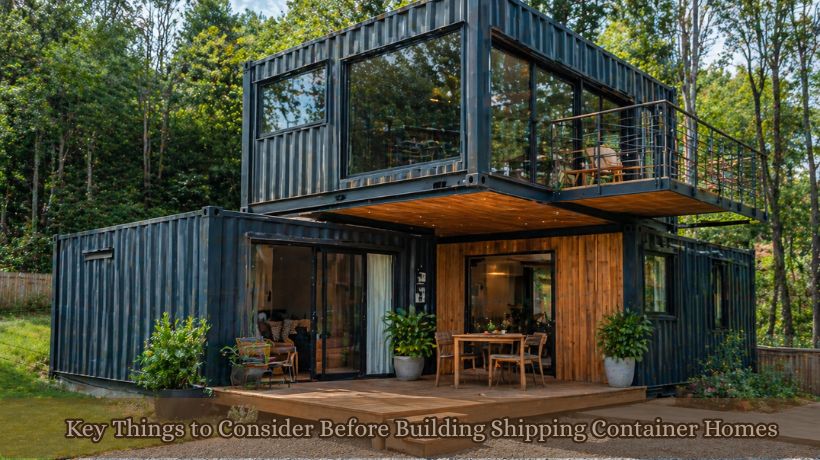
Building a unique and sustainable home is a dream for many, and Shipping Container Homes have become an increasingly popular option. Within the first stages of planning, it’s important to understand that while these homes offer flexibility and affordability, they also come with specific challenges. Careful consideration of design, regulations, and materials will ensure your container home is both comfortable and durable.
1. Understanding Local Building Regulations
Before starting your project, research local building codes and zoning laws. Not all areas permit container homes, and some may have strict guidelines regarding structure, safety, and usage. Obtaining the necessary permits early can save time, money, and legal complications later. Consulting with professionals familiar with local regulations is always a wise step.
2. Choosing the Right Container
Not all shipping containers are the same. You’ll need to decide between new (one-trip) containers and used ones. New containers are in better condition but cost more, while used containers are budget-friendly but may require repairs. Always inspect for rust, structural damage, or chemical exposure, especially if the container was previously used for transporting hazardous materials.
3. Structural Modifications and Design
Design plays a crucial role in making container homes livable. Cutting windows, doors, and combining multiple containers can affect the structural integrity of the unit. Reinforcements may be required to maintain strength and safety. Working with an experienced designer or architect helps ensure your layout is both functional and secure.
4. Insulation and Climate Control
Shipping containers are made of steel, which means they can get extremely hot or cold depending on the climate. Proper insulation is essential to maintain a comfortable indoor temperature. Options like spray foam, panel insulation, or eco-friendly materials can help regulate heat and improve energy efficiency. Ventilation systems are equally important to ensure proper airflow.
5. Foundation and Site Preparation
A strong foundation is critical for any structure, including container homes. Depending on your location and soil type, you can choose from options like concrete slabs, pier foundations, or strip footings. Proper site preparation ensures stability and prevents issues like water accumulation or shifting over time.
6. Utilities and Infrastructure
Planning for utilities such as electricity, plumbing, and water supply is essential. Unlike traditional homes, container houses require careful integration of these systems within limited space. You’ll need to decide whether to connect to local utilities or opt for off-grid solutions like solar panels and water storage systems.
7. Budget Planning
While container homes are often seen as cost-effective, expenses can add up quickly. Costs include purchasing containers, transportation, modifications, insulation, permits, and interior finishing. Setting a realistic budget and planning for unexpected expenses will help you stay on track.
8. Durability and Maintenance
Steel containers are strong and durable, but they still require maintenance. Regular checks for rust, corrosion, and wear are necessary to extend the lifespan of your home. Applying protective coatings and ensuring proper drainage can help prevent long-term damage.
9. Interior Design and Space Optimization
Container homes typically have limited space, so smart interior design is essential. Multi-functional furniture, open layouts, and efficient storage solutions can make the space feel larger and more comfortable. Thoughtful design enhances both aesthetics and practicality.
10. Sustainability and Environmental Impact
One of the biggest advantages of container homes is their eco-friendly nature. Reusing shipping containers reduces construction waste and promotes sustainable living. You can further enhance sustainability by incorporating energy-efficient appliances, rainwater harvesting systems, and renewable energy sources.
11. Long-Term Value and Resale
Consider the long-term value of your container home. While they are innovative and stylish, resale value can vary depending on location and market demand. Building with quality materials and a well-thought-out design can improve the property’s appeal and future value.
Conclusion
Building a container home is an exciting journey that combines creativity, sustainability, and modern living. However, success depends on careful planning and informed decision-making. From selecting the right container to ensuring proper insulation and compliance with regulations, every step plays a crucial role.
Globally, innovative projects like the Container House Dubai showcase how these homes can be transformed into luxurious and highly functional living spaces. With the right approach, shipping container homes can offer a unique, efficient, and future-ready housing solution that meets the needs of modern lifestyles.