The summer rush doesn’t sneak up on the food service industry. Everyone sees it coming. And yet, every year, kitchens across the country find themselves underprepared—running short on deli staples mid-service, scrambling for last-minute supplier coverage, and watching menu gaps appear in real time.
The difference between operations that sail through summer and those that struggle isn’t kitchen talent or menu design. It’s the supply chain behind them.
Why Summer Is the Hardest Season to Source For
Heat changes everything downstream from the farm and processing facility. Shelf lives shorten. Cold chain requirements tighten. Delivery windows that work fine in April become logistical stress points by July.
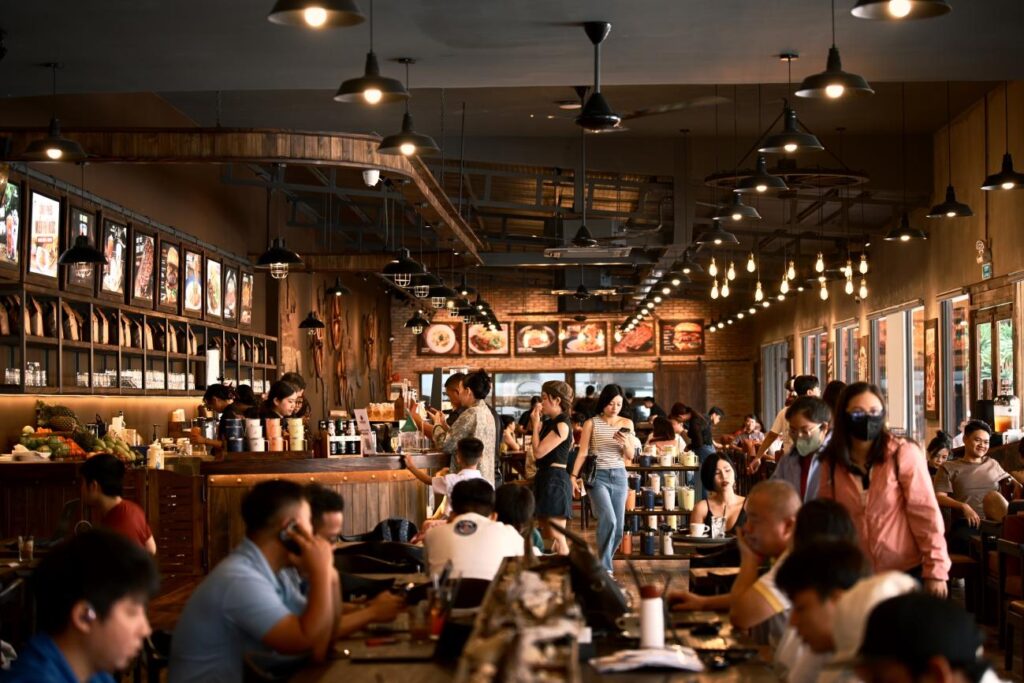
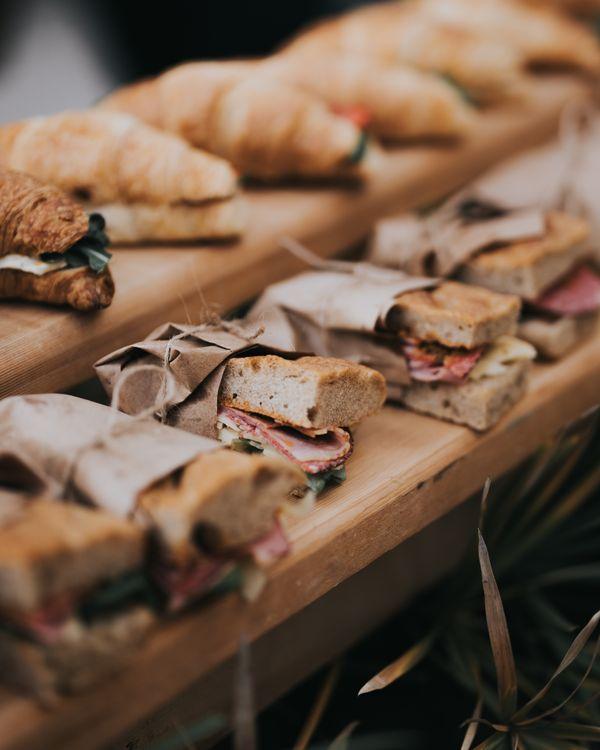
At the same time, demand surges. Outdoor dining expands seating capacity. Catering bookings stack up through June and August. Grab-and-go formats, cold sandwiches, chilled proteins, pre-portioned deli items, see some of their highest turnover of the year.
The result is a supply environment where volume requirements go up precisely when the margin for error goes down. For food distribution companies, this is the season that separates capable operations from exceptional ones.
How Distributors Manage Cold Chain Integrity Through Peak Heat
Cold chain reliability isn’t a given in summer; it’s something that has to be actively maintained. For wholesale food distributors, that means refrigerated fleet capacity, tightened delivery scheduling, and real-time monitoring of temperature-sensitive product throughout transit.
The specific challenges stack quickly:
- Higher ambient temperatures increase the thermal load on refrigerated vehicles, requiring more frequent maintenance checks and tighter loading protocols
- Longer delivery routes during peak season, driven by higher order volumes across more accounts, extend the time products spend in transit
- More frequent deliveries are needed to compensate for shorter on-site shelf lives, which puts additional pressure on scheduling and fleet capacity
Food service suppliers that manage these variables well do so through preparation, not improvisation. Fleet readiness is confirmed before summer peaks, not addressed reactively when a breakdown occurs mid-route.
The Replenishment Equation: Speed vs. Predictability
There’s a persistent misconception in food service that fast replenishment is the primary measure of a good distributor. Speed matters, but predictability matters more.
A kitchen that receives consistent, scheduled deliveries from restaurant food suppliers can plan its inventory with precision. It knows what’s arriving, when it’s arriving, and in what quantity. That predictability is what allows operators to build accurate prep schedules, reduce spoilage, and avoid the over-ordering that ties up working capital during an already cash-intensive season.
The operations that rely on fast replenishment as a fallback, ordering reactively when stock runs low—consistently find themselves competing for the same high-demand SKUs as every other kitchen that under-planned. By mid-July, wholesale lunch meat, cold proteins, and fresh produce allocations at major distributors are often spoken for weeks in advance.
Forward ordering, aligned with realistic summer demand projections, is how experienced operators stay ahead of that crunch. And the distributors who support that model, with flexible scheduling, advance availability communication, and proactive account management, are the ones kitchens build long-term relationships with.
Why Regional Distribution Has a Structural Advantage in Summer
National broadline distributors offer scale. What they frequently can’t offer is the market-specific agility that regional food distributors in New Jersey and across the Tri-State area bring to summer operations.
Regional distributors understand local demand rhythms in ways that national networks don’t. They know when outdoor dining surges in specific markets, when catering demand clusters around local event calendars, and when certain SKUs need to be front-loaded in inventory because regional buying patterns predict a spike.
That intelligence shapes sourcing decisions months before summer arrives. It’s also what allows regional wholesale food distributors to maintain service consistency when broader supply chain disruptions hit, because their relationships with regional producers and processors are stronger, their response times are faster, and their account teams are closer to the operations they serve.
For kitchens in competitive urban and suburban markets, the question isn’t whether regional distribution matters. It’s whether their current distributor is actually performing like a regional one.
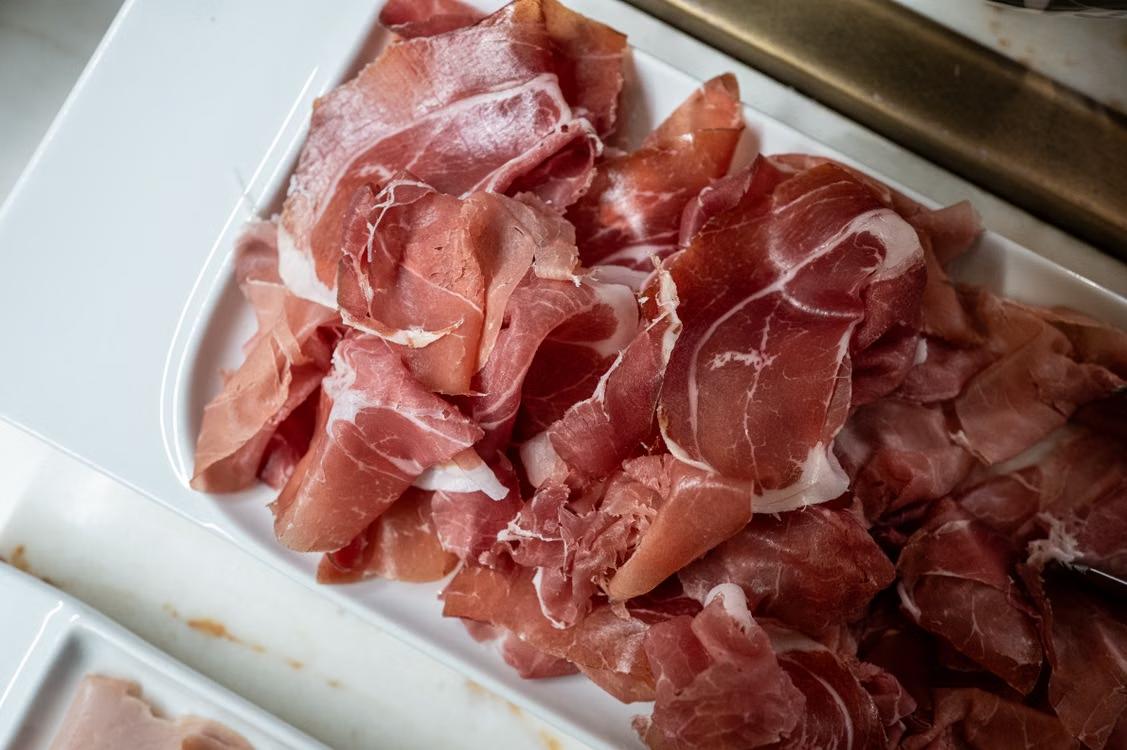
What Operationally Strong Distribution Actually Looks Like
The best food distributors wholesale don’t just fill orders; they function as operational infrastructure for the kitchens they serve. In summer, that infrastructure shows up in specific, measurable ways:
- Advance communication on product availability changes before kitchens run short
- Flexible delivery scheduling that can scale up during peak weeks without penalty
- Broad catalog depth—proteins, produce, dairy, dry goods, specialty items, so operators aren’t managing multiple vendor relationships across high-volume weeks
- Account teams that understand the seasonal rhythm of each individual kitchen, not just the category averages
When all of these elements are in place, summer stops being a sourcing problem. It becomes a managed variable; one that strong supply chain relationships absorb before it ever reaches the pass.
Power Your Kitchen With a Partner Built for Peak Season
Serving delis, pizzerias, catering operations, and food service businesses across the entire Tri-State area, Apito Provisions Inc. is a full-line wholesale food distributor with the regional expertise and product depth today’s operators demand.
From wholesale deli meat and specialty proteins to produce, dairy, and dry goods, their team works directly with kitchen operators to ensure product is available, consistent, and delivered on schedule through every peak week of the season. For operations looking to build a supply chain that holds up when it counts, Apito Provisions Inc. is the partner worth calling first.
Contact Apito Provisions Inc. today and head into summer with a supply chain that’s ready for it.
About the Author
The author is a supply chain strategist and food service trade writer with over a decade of experience covering wholesale distribution, cold chain logistics, and kitchen operations across the Northeast. They contribute regularly to culinary and hospitality industry publications, with a focus on how food service operators can build more resilient, scalable supply structures.