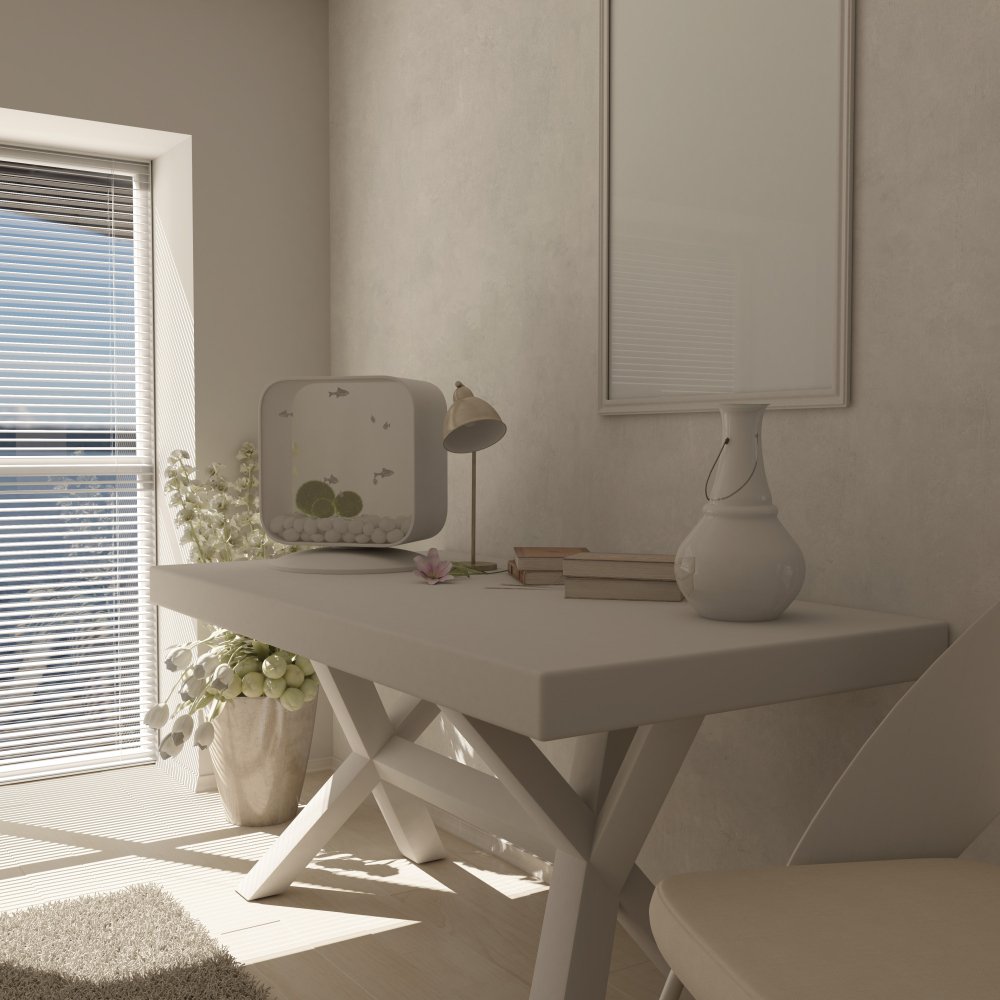
Some of the hardest decisions in furnishing a home are not the big ones. The sofa, the bed, the dining table get serious attention because the spend is high and the consequence of getting it wrong is obvious. The smaller pieces are where many rooms quietly underperform. A console that is too narrow for the wall it sits on, a side table that is the wrong height for the sofa beside it: these are the kinds of details that can determine whether a room reads finished or simply assembled.
The Console: More Than a Surface
A console table is one of the more versatile pieces in a home. It works in entryways, behind sofas, against hallway walls, and in dining rooms where the main wall needs something without the depth or visual weight of a full sideboard. In each of those positions, the specific role is slightly different, but the common function tends to be the same: it gives a wall something to anchor it.
The entryway console is the one most people think of first. It can hold keys, provide a surface for a lamp, and set a tone for the home. A sculptural console table can do this job particularly well. A piece with a strong silhouette, a defined base, and a material with visual weight tends to read as deliberate rather than incidental, though what works will depend on the space and the overall design language of the home.
Behind a sofa, the console serves a different purpose. It can add depth to a floating sofa arrangement, offer a surface for lamps or objects, and stop the back of the sofa from feeling exposed. Height tends to matter here: a console that sits at or just below the top of the sofa back will generally read as integrated with the seating rather than disconnected from it.
The Side Table: Height, Material, Scale
The side table earns its place through function first. It holds a drink, supports a lamp, or keeps a phone within reach overnight. The first question is almost always height. The surface should typically sit level with the sofa arm or the top of the mattress, depending on where it is being used.
Material comes second, and it is where a side table can do more than just sit there. A microcement side table in Dubai can bring a sculptural, architectural quality to a corner without adding visual noise. The matte surface tends to hide light wear, handles daily contact well, and can read as grounded next to a wide range of sofa materials and upholstery tones. Steel, terrazzo, wood, and glass can each work well too, bringing different qualities to the corner they inhabit. Glass is the most visually light but tends to show marks. Wood brings warmth but may need some thought around AC positioning. Terrazzo generally hides wear better than most.
Getting the Two Pieces to Work Together
A console and a side table in the same room do not necessarily have to match, but they may benefit from some visual conversation. Keeping the material palette fairly tight is one way to approach this. A microcement side table Dubai living room can pair naturally with a microcement or steel console, or with a wood console if the tone and finish are complementary.
Scale matters in a similar way. A sculptural console table in a large open-plan room may call for a side table with some physical presence. The reverse is also true: a more delicate console in a compact entryway may not want a heavy side table competing with it in the same sightline.
One practical note on entryway consoles: depth. Many entryways in Dubai apartments may not have the floor space for a piece deeper than 30 to 40cm without it intruding on movement. A slim console with a strong silhouette tends to read as designed for the space.
Conclusion
Getting these two pieces right, in proportion, material, and position, can go a long way toward closing the gap between a room that is furnished and a room that feels finished. The decisions are smaller than the sofa or the dining table, but their effect on a room is rarely minor.
Studio Obliq designs consoles and side tables in microcement, solid wood, stainless steel, and terrazzo from its Dubai workshop, with each piece sized for the room and the wall it was built for. With Studio Obliq, you can choose from a range of forms and materials, and have the right piece delivered to your door in six days.