Ever caught yourself helping a friend with their workout, sharing gym tips, or talking about fitness when everyone else has moved on to another topic? Maybe you enjoy watching people get stronger, or you feel genuinely happy when someone finally reaches a goal they have been working towards. If any of this sounds familiar, a Certificate IV in Fitness Brisbane could be worth exploring. What starts as a personal interest in exercise can grow into a career where you help others feel stronger, more confident, and comfortable in their own skin.
And the best part? You do not need to have your entire career mapped out before taking the first step.
Start With What You Love About Fitness
Before jumping into a course or thinking about your future job title, take a moment to ask yourself what you actually enjoy about fitness.
Do you love strength training? Are you the person who encourages your friends to keep going when a workout gets tough? Perhaps you enjoy learning about exercise and figuring out how different movements work.
There is no single reason people become personal trainers. Some love being in the gym, while others enjoy meeting new people and helping them make changes to their lives.
Knowing what excites you can help you find your direction. You might want to work in a busy gym, train clients one-on-one, or eventually build your own personal training business. You do not have to decide everything today.
Turn Your Interest Into Real Skills
Enjoying exercise is a great starting point, but working as a personal trainer involves more than knowing your favourite workouts.
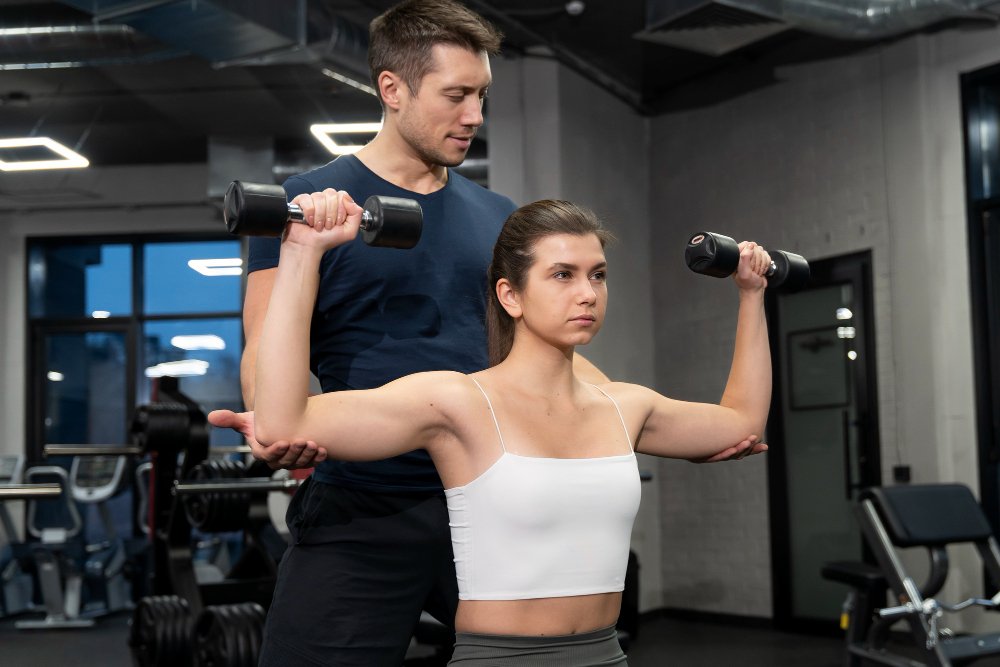
You need to understand how to plan sessions, teach exercises correctly, support clients with different abilities, and adjust a workout when things do not go as planned.
Imagine a client arrives for their session feeling tired after a rough day. They are not ready for the workout you planned. What now? A good trainer knows how to listen, make changes, and help the client get something useful from the session without making them feel bad.
These are the skills you develop through proper training and practice. You learn how to work with real people, not just follow a workout plan on paper.
Get Comfortable Working With Different People
Here is something worth remembering… your future clients will not all think or train like you.
One person might want to build muscle. Another may be returning to exercise after a long break. Someone else might simply want to feel less nervous when they walk into a gym.
Your job is to understand what each person needs and help them move towards their goals at a suitable pace.
You will also need patience. Some clients make quick progress, while others need more time and encouragement. There will be days when a client surprises you and days when you have to rethink your approach.
That is part of the job. You learn by working with people, listening to feedback, and becoming more confident with every experience.
Choose Training That Prepares You for the Gym Floor
When you are ready to take fitness seriously as a career, look for a course that gives you more than theory to remember for an assessment.
At SR PT Education, practical learning is an important part of preparing students for work in the fitness industry. Training in real gym environments can help you practise coaching, understand how sessions run, and become more comfortable around clients and equipment.
If you are exploring a Personal Training course Brisbane, look closely at the practical training opportunities, industry guidance, and career support available. These details matter because you want to feel ready to work with clients, not just ready to finish your studies.
It is also worth checking that the qualification meets the requirements for the work you want to do and understanding what further training or registration may be needed.
Take Your First Step, Even If You Feel Nervous
You might be thinking, “What if I am not experienced enough?” Or perhaps you are worried about changing careers or starting something completely new.
Those feelings are normal. You do not need to know everything about personal training before you begin learning. That is what training is for!
Start by researching your course options, speaking with an education provider, and asking honest questions about practical sessions and career pathways. If possible, talk to working personal trainers and learn what their everyday jobs are really like.
Small steps can make a big decision feel much easier.
Build a Career That Grows With You
A fitness career does not have to follow one fixed path. You could begin as a gym-based personal trainer, gain experience with different clients, and later explore group training or running your own business.
Your interests may change as you learn more about the industry, and that is perfectly fine. The important thing is to keep learning, stay open to feedback, and treat your clients as people rather than numbers on a training plan.
At SR PT Education, we encourage aspiring fitness professionals to look beyond simply earning a qualification and think about the skills they want to bring to their future careers.
Frequently Asked Questions
1. Can I become a personal trainer if fitness is my passion but I have no professional experience?
Yes. You can begin training without having worked as a personal trainer before. A suitable qualification helps you develop the knowledge and practical skills needed to work with clients. Your own fitness experience is a starting point, not a substitute for professional training.
2. What qualification do I need to become a personal trainer in Brisbane?
In Australia, the nationally recognised Certificate IV in Fitness (SIS40221) is a common qualification for people aiming to work as personal trainers. Certificate III in Fitness (SIS30321) can provide a foundation for fitness instruction. Check the current requirements for your intended role and workplace.
3. Is practical experience important when studying fitness?
Absolutely. Practical sessions let you practise coaching, demonstrate exercises, communicate with others, and gain confidence using gym equipment. They can also help you understand what working with clients feels like before you begin your career.
4. What skills should a good personal trainer develop?
A personal trainer needs exercise knowledge, clear communication, patience, observation skills, and the ability to adapt sessions to different needs. Being approachable and listening carefully are just as important as knowing how to perform an exercise.
5. What career options are available after completing fitness training?
Depending on your qualifications, experience, and any additional requirements, you could explore roles such as gym instructor or personal trainer. With further experience, you might also consider group training, specialised coaching within your scope of practice, or operating your own fitness business.