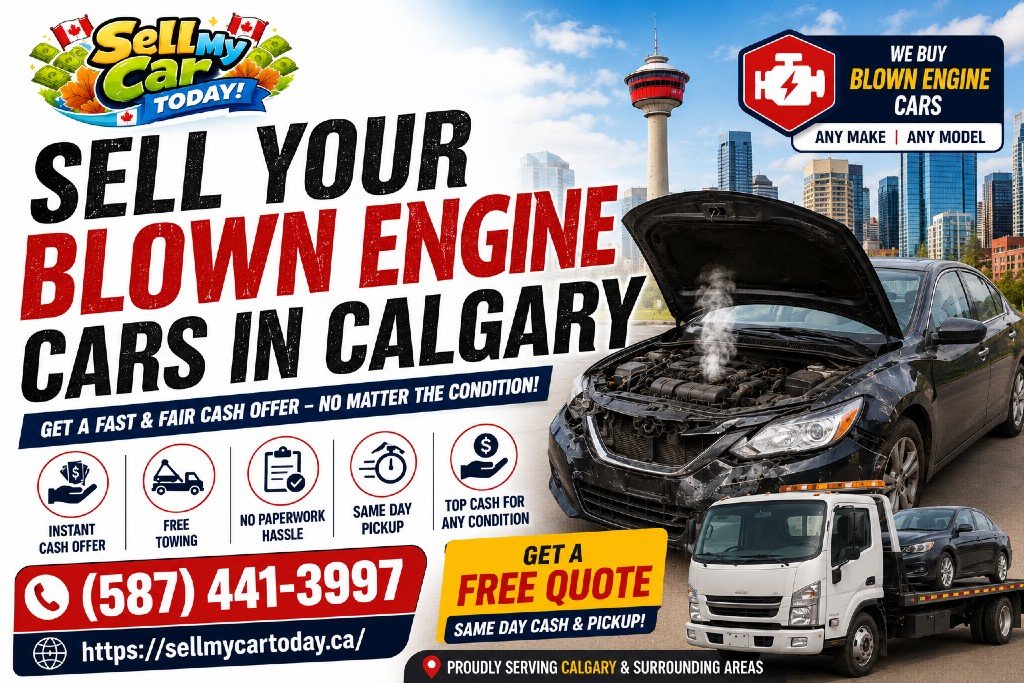
A blown engine can make selling a vehicle seem difficult, especially when the car no longer runs or would require an expensive repair. Engine replacement, towing, storage, and other costs can quickly add up. However, a vehicle with a failed engine can still have value because of its transmission, body, interior, electronics, wheels, and other usable components.
If your goal is to Sell Your Blown Engine Cars in Calgary quickly, the key is to understand the vehicle’s condition, compare your options, and choose a selling method that saves unnecessary time and expense.
Understand the Extent of the Engine Damage
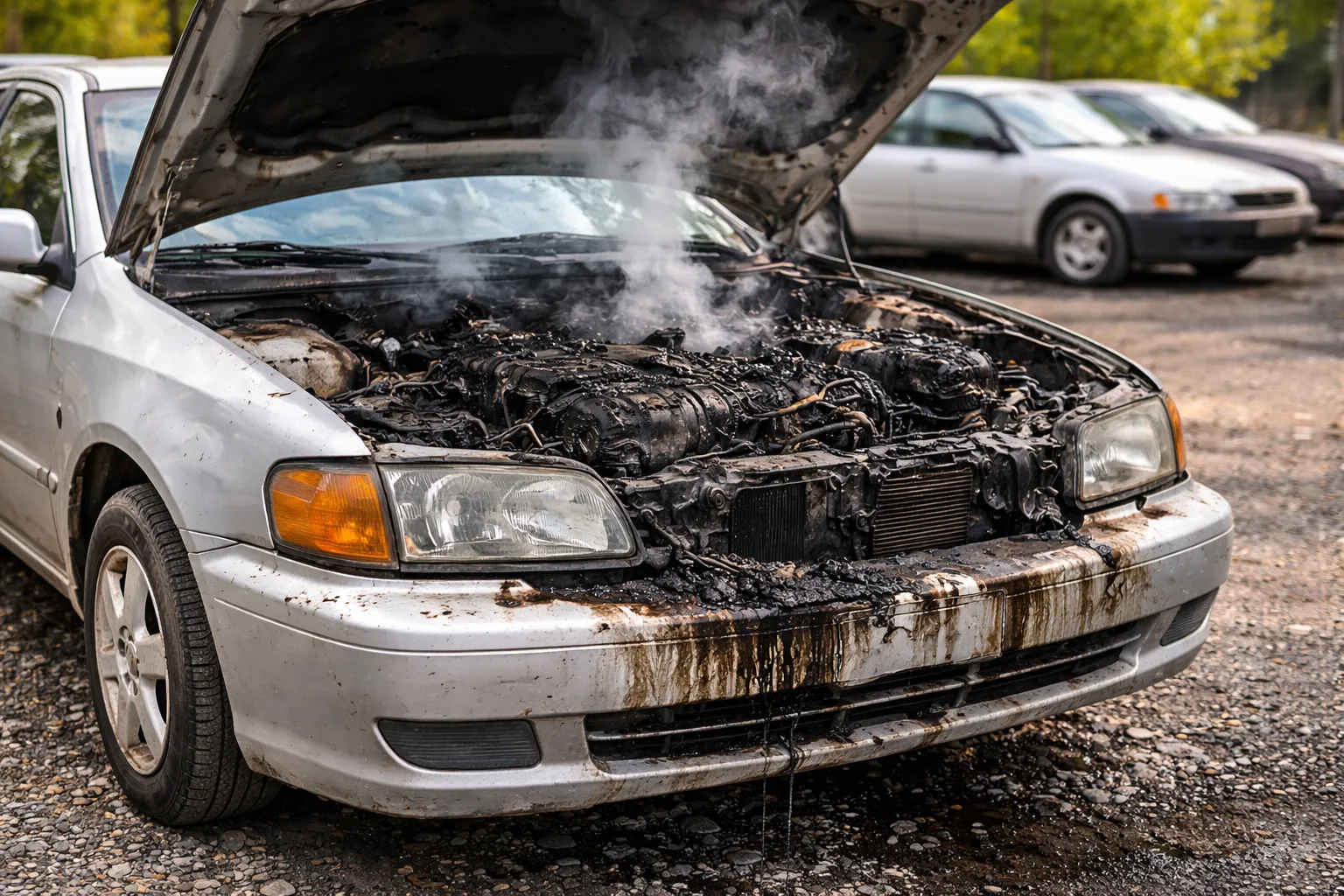
Before listing or selling your vehicle, determine what is actually wrong with the engine. A mechanic can inspect the vehicle and provide an assessment of whether it needs a minor repair, major rebuild, or complete replacement.
Common signs of serious engine problems include:
- Excessive smoke from the exhaust
- Loud knocking or unusual engine sounds
- Severe oil or coolant leaks
- Engine overheating
- Major loss of power
- Failure to start
- Engine warning lights
A professional diagnosis gives you useful information when discussing the vehicle with potential buyers. It can also prevent you from incorrectly describing the vehicle’s condition.
Decide Whether Repairing the Car Makes Financial Sense
One of the biggest mistakes owners can make is spending thousands of dollars on repairs without first considering the vehicle’s current market value.
For an older or high-mileage vehicle, an engine replacement may cost a significant portion of—or even more than—the car’s resale value. In that situation, selling the vehicle as-is may be a more practical option.
Consider the vehicle’s age, mileage, overall condition, estimated repair costs, and potential selling price. If the numbers do not support a repair, you may want to Sell Your Blown Engine Cars in Calgary without completing the engine work.
Get More Than One Offer
If you want to sell quickly, it can be tempting to accept the first offer you receive. However, comparing several options can help you understand what your vehicle may realistically be worth.
When requesting an offer, provide accurate information about:
- Vehicle make and model
- Year
- Mileage
- Engine condition
- Transmission condition
- Exterior and interior condition
- Whether the vehicle starts or runs
- Location of the vehicle
- Available ownership and registration documents
Honest information makes it easier for a buyer to provide a realistic valuation and reduces the possibility of surprises later.
Consider Selling the Vehicle As-Is
A blown engine does not necessarily mean the entire vehicle has no value. Many components may remain useful even when the engine has failed.
Depending on the vehicle, valuable components can include the transmission, catalytic converter, wheels, tires, electronics, seats, body panels, doors, lights, and other parts.
Selling the car as-is allows you to avoid the time and expense associated with repairing the engine before selling. This can be particularly useful if the vehicle is no longer roadworthy or has been sitting unused.
Look for Buyers Who Accept Non-Running Vehicles
Not every traditional car buyer will be interested in a vehicle with a failed engine. Some dealerships may prefer cars that are mechanically sound and ready for resale.
A specialized vehicle buyer may instead evaluate the car based on its overall condition and usable components. This can provide an alternative for owners who want to sell a non-running or severely damaged vehicle.
Sell My Car Today, for example, states that it purchases used, old, damaged, high-mileage, and non-running vehicles in Calgary, including vehicles with blown engines. The provided service information also indicates that owners can request a cash offer and arrange same-day pickup.
Prepare the Necessary Documents
Having your paperwork ready can make the selling process faster. Depending on your circumstances, you may need vehicle registration, ownership documents, identification, service records, and other relevant paperwork.
If there is an outstanding loan or lien against the vehicle, find out how it will be handled before agreeing to a sale. Clarifying these details early can help prevent delays.
Remove Your Personal Belongings
Before the vehicle is collected, check every part of it for personal belongings. Look under the seats, inside the glove compartment, center console, trunk, and door pockets.
Items such as documents, sunglasses, chargers, tools, and other valuables can easily be overlooked when a vehicle is being sold quickly.
If the car is not running, make sure everything is removed before towing or pickup takes place.
Arrange Convenient Vehicle Pickup
A blown engine often means the vehicle cannot be safely driven to a buyer. Therefore, transportation is an important part of the selling process.
Ask the buyer whether vehicle pickup is available and whether towing costs are included. A convenient pickup arrangement can save you the trouble of finding a tow truck independently.
For Calgary owners looking to Sell Your Blown Engine Cars in Calgary, choosing a buyer that can handle non-running vehicles and arrange pickup may significantly simplify the transaction.
Avoid Common Selling Mistakes
A quick sale should still be a careful sale. Avoid hiding mechanical problems, accepting an unclear offer, or handing over the vehicle without confirming the payment and paperwork.
Before finalizing the transaction, make sure you understand:
- The agreed selling price
- Payment method
- Pickup or towing arrangements
- Required documents
- Any applicable fees
- Ownership transfer requirements
Clear communication can help make the process smoother and reduce unnecessary delays.
Why Selling a Blown Engine Car Can Be Practical
Keeping a vehicle with a failed engine can create ongoing expenses. Parking, storage, insurance, and deterioration can become frustrating if the vehicle remains unused for an extended period.
Selling the car in its current condition may allow you to avoid a costly engine replacement while recovering some of the vehicle’s remaining value. The best choice depends on the car’s condition, repair estimate, age, and market demand.
For owners who want to Sell Your Blown Engine Cars in Calgary, comparing repair costs with as-is selling options is a sensible first step.
Final Thoughts
Selling a vehicle with a blown engine does not have to involve expensive repairs or a lengthy process. By assessing the damage, comparing repair costs, getting multiple offers, preparing your paperwork, and arranging suitable transportation, you can make a more informed decision.
If repairing the vehicle is not financially practical, selling it as-is can be a straightforward alternative. Sell My Car Today provides an option for Calgary owners seeking to sell damaged and non-running vehicles without completing major repairs first.
FAQs
Can I sell a car with a blown engine?
Yes. Some buyers accept vehicles with major mechanical problems, including blown engines and non-running cars. The offer will depend on the vehicle’s overall condition and remaining value.
Do I need to replace the engine before selling?
No, not necessarily. If an engine replacement is too expensive compared with the vehicle’s value, selling it as-is may be a more practical option.
Can I sell a car that does not run?
Yes. Buyers specializing in damaged or non-running vehicles may accept cars that cannot be driven and may offer pickup or towing arrangements.
How much is a blown engine car worth?
There is no fixed amount. Factors such as make, model, year, mileage, body condition, transmission, parts value, and overall demand can affect the offer.
What should I do before selling my blown engine car?
Gather the necessary documents, remove personal belongings, determine the extent of the engine damage, and compare offers from potential buyers.