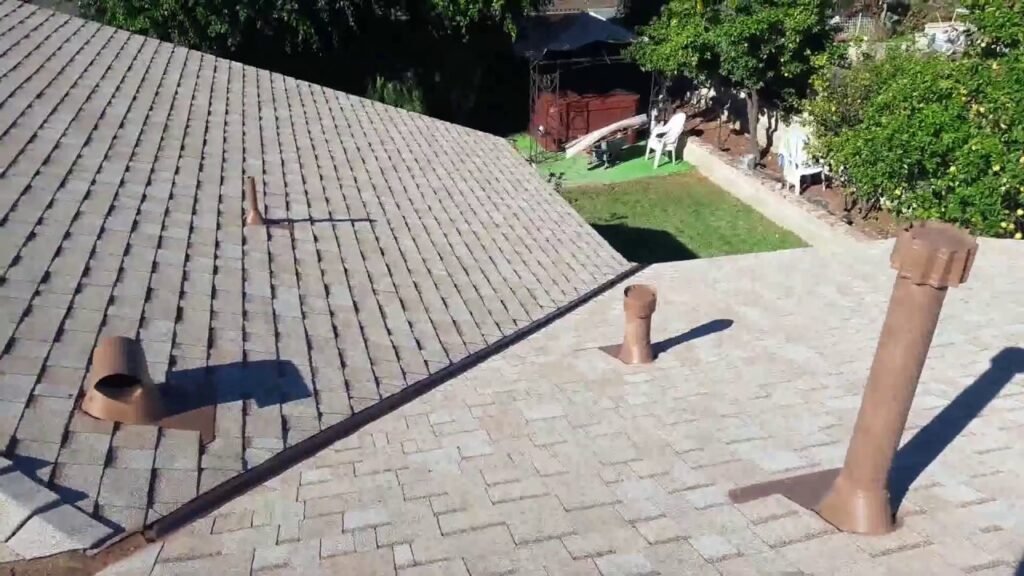
A new roof is a major investment that protects your family and your house for decades. When planning a shingle roof installation Tomahawk WI project, understanding the process helps you avoid costly mistakes. Northern Wisconsin weather brings heavy snow, ice, high winds, and seasonal rain. Each of these elements places unique stress on your home. Scheduling a high quality Asphalt roof installation Tomahawk service requires proper planning, correct materials, and attention to detail. By addressing potential issues early, you ensure your home stays dry and safe through every season.
Inspecting and Preparing the Roof Deck
Every successful project starts with a strong foundation. Before new materials go down, workers must inspect the wooden decking underneath. Ignoring damaged wood leads to sagging surfaces and early failures.
Spotting Water Damage and Rot
Old leaks often rot plywood decking over time. Crews must remove all old materials completely to inspect every board. Replacing soft or warped wood ensures a flat surface that supports heavy winter snow loads safely.
Ensuring Proper Deck Fastening
Loose decking panels create uneven surfaces and squeaks. Re-nailing or screwing down the wooden boards stabilizes the entire structure. This step prevents future movement that could loosen newly placed materials above.
Protecting Against Tomahawk Ice Dams and Water Intrusion
Winter weather in Lincoln County brings freezing temperatures and heavy snow buildup. Ice dams form when melting snow freezes near the eaves, forcing water backward under your protective layers.
Installing Synthetic Underlayment
Modern synthetic underlayment provides superior moisture protection compared to traditional felt paper. It resists tearing in high winds during setup and creates a durable waterproof barrier across the entire surface.
Adding Ice and Water Shields
Self-adhering ice and water membranes are essential along eaves, valleys, and around chimneys. This thick rubberized barrier seals tightly around nail penetrations, blocking standing water from seeping into your attic during freeze and thaw cycles.
Proper Nailing Techniques and Shingle Alignment
Incorrect fastening is one of the top causes of storm damage. High winds can easily lift loose materials if fasteners are placed incorrectly or driven at bad angles.
Correct Fastener Placement and Depth
Nails must be placed along the designated nail strip on each piece. Driving nails too deep cuts through the material, while under-driven nails stick up and puncture the overlapping layer above.
Maintaining Straight Courses and Proper Overlap
Keeping rows straight ensures proper water runoff and a clean visual finish. Workers use chalk lines to align each row accurately, maintaining proper offset patterns so seams do not line up vertically.
Ensuring Adequate Attic Ventilation and Flashing
A roof needs to breathe to perform well. Poor ventilation traps heat and moisture inside your attic, causing premature aging of materials and higher energy bills in summer.
Balancing Intake and Exhaust Vents
Soffit vents pull cool air into the attic while ridge vents release hot, moist air at the peak. This continuous airflow prevents moisture buildup in winter and keeps attic temperatures manageable during hot summer months.
Installing Durable Metal Flashing
Metal flashing directs water away from vulnerable spots like valleys, dormers, and chimneys. Installing step flashing correctly along vertical walls keeps wind-driven rain from penetrating the side of your home.
Crucial Steps for Long Term Roof Care
Taking simple preventive steps helps your new structure perform at its best for many years.
- Clear leaves, twigs, and pine needles from valleys and gutters regularly.
- Trim overhanging tree branches to prevent rubbing and block falling debris.
- Inspect the attic periodically for signs of daylight or moisture.
- Keep gutters clean so water flows away from the foundation freely.
- Check flashing around pipes and chimneys after severe windstorms.
Frequently Asked Questions
How long does an Asphalt roof installation Tomahawk project usually take?
Most standard residential projects take one to two days to complete depending on house size, roof pitch, and weather conditions.
Why is attic ventilation important for an Asphalt roof installation Tomahawk home?
Proper ventilation balances attic temperatures, prevents ice dam formation in winter, and stops trapped heat from degrading materials during hot summer months.
What causes shingles to blow off during strong Wisconsin storms?
Blown off materials are usually caused by improper nail placement, inadequate nail depth, or cold weather installs where the adhesive seal strip did not activate fully.
Can new materials be placed over an existing layer?
Tearing off old layers is always recommended because it allows workers to inspect the wood deck, replace damaged boards, and lay down new underlayment properly.
What is the best time of year to schedule an Asphalt roof installation Tomahawk service?
Late spring, summer, and early fall offer warm temperatures that help self-sealing adhesive strips bond quickly and securely.
Enjoying Peace of Mind with a Quality Roof
Investing in a new protective system safeguards your home against harsh Wisconsin elements for decades. By focusing on proper deck preparation, ice dam protection, accurate fastening, and balanced attic ventilation, you avoid common problems and ensure lasting performance. Hiring the AGP Drywall Installation Team brings dependable skill and thorough attention to detail to every stage of your home improvement project. Schedule Your Service today to protect your property with reliable workmanship and quality materials!