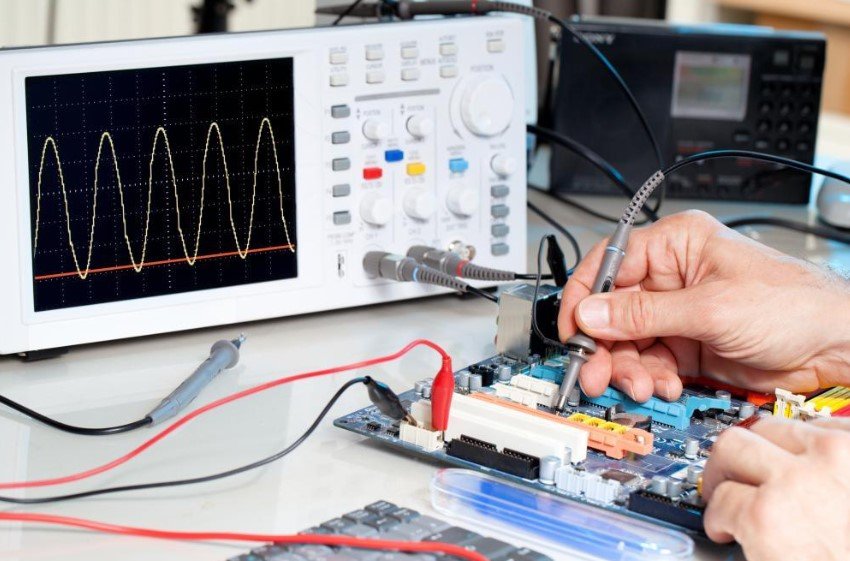
One of the most important parts of setting up an electrical laboratory is selecting appropriate equipment. No matter if the equipment will be used in schools, training centers, or dedicated research facilities, good electrical lab equipment aids both students and practitioners of the craft in hands-on learning of the principles of electricity via experiments. The right equipment improves the safety and efficiency of the users, all while enabling them to explore electricity with confidence.
A well-stocked laboratory offers a variety of tools pertinent to the different segments of electrical engineering, electronics, measurement, and circuit analysis. The selection of equipment ought to be made based on the existing laboratory infrastructure, the intended user, and the presumed requirements, safety considerations, and future potential.
Define the Required Laboratory Facilities
It is necessary to know the intent behind the establishment of the laboratory prior to purchasing any of the equipment. The type of equipment needed will differ for varied applications. For example, simple electrical experiments are the primary focus of educational laboratories, while in research laboratories, more complex experiments may require specialty equipment for testing and measurement.
The regular school sessions, experiments, practicals, and activities need to be analyzed in light of the equipment and the curriculum. The requirements of the technical tasks and the project need to be matched with the equipment as well. Understanding the purpose of the laboratory facilities leads to purposive and reduces unnecessary purchases.
Evaluate the Quality and Accuracy of Equipment
There should be a premium placed on accuracy in selecting electrical lab equipment. Equipment used in testing and measurement should provide reliable and consistent results over a long period. Equipment that fails to meet these requirements poses an unwanted risk and can spoil the learning exercise.
Look for machinery manufactured with high-quality, long-lasting materials. The best equipment is able to give consistent results. All science machinery will deteriorate with use, but high-quality equipment has significantly less degradation over repeated use. Durable, long-lasting equipment reduces costs as there is less of a need for replacement and maintenance.
Keep Safety Features in Mind
When designing equipment for electrical laboratories, safety is of the utmost concern. Electrical machinery can expose participants to voltage, current, and other hazards. Part of safety includes ease of use and control. Equipment should have protective coverings and safe, secure connections. Finally, safety features should include protection from overloads.
Following safety equipment standards protects both research participants and staff. Safety Equipment reduces the likelihood of accidents and disruptions to scheduled practices.
Keep in Mind Equipment Coexistence
Increasingly, laboratories are expecting equipment to work with several distinct units. Compatibility extends beyond the machinery and can encompass the software and the surrounding units.
Such equipment may include digital displays with options to save data, which can help analyze the experiment. This also means engineering equipment can improve the learning process for both instructor and participant.
Physics and Electrical Equipment
As science combines numerous disciplines, educational institutions frequently combine electrical equipment with physics equipment. Learning this way provides a more well rounded, practical experience.
Physics equipment allows learners to contextualize the more abstract concepts of electricity, magnetism, and measurements. Combining electrical equipment with physics lab equipment allows learners to apply what they learn in the classroom to the world outside.
Consider Budget and Long-Term Value
Laboratory equipment requires long-term budget planning because value is determined by longevity, performance, and cost of ownership.
The cost-effectiveness of the initial purchase of equipment is not the only determining factor when equipment reliability ensures better performance and longer lifespan.
Conclusion
The selection of the right electrical lab equipment is dependent on the balance between quality, safety, functionality, and the anticipated needs of the laboratory. A good selection enhances learning and encourages the proper running of experiments. Considering the performance, compatibility, and overall value of equipment has the potential of generating a reliable electrical learning environment.