Losing someone close can be one of the hardest experiences a person faces. During such a difficult period, finding the right words is not always easy. A thoughtful flower arrangement can offer a quiet way to express sympathy, care, and support when words feel insufficient.
Sympathy flowers are not about making a sad moment disappear. They are a gentle gesture that lets a grieving person or family know they are being remembered. From choosing suitable colors to deciding where the flowers should be delivered, a little thought can make the gesture more appropriate and meaningful.
Why Sympathy Flowers Are a Meaningful Gesture
Flowers have long been connected with remembrance, love, respect, and emotional support. A carefully selected arrangement can bring a small sense of warmth to an otherwise difficult time.
The gesture can be particularly meaningful when you cannot be with the family personally. Sending flowers allows you to acknowledge their loss and show that you are thinking of them.
You do not need to choose an elaborate arrangement. A simple bouquet selected with care can communicate just as much as a large display.
When Should You Send Sympathy Flowers?
There is no single day when sympathy flowers must be sent.
Many people send flowers shortly after hearing about a loss, while others choose to send them around the funeral or memorial service. A bouquet can also be appropriate days or even weeks later.
Grief does not end after a funeral. In fact, the days and weeks that follow can be especially difficult once the initial support from friends and relatives becomes less frequent.
Sending flowers later can therefore be a thoughtful reminder that the family is still in your thoughts.
Choosing the Right Flowers for Sympathy
The flowers you choose should reflect the tone of the gesture.
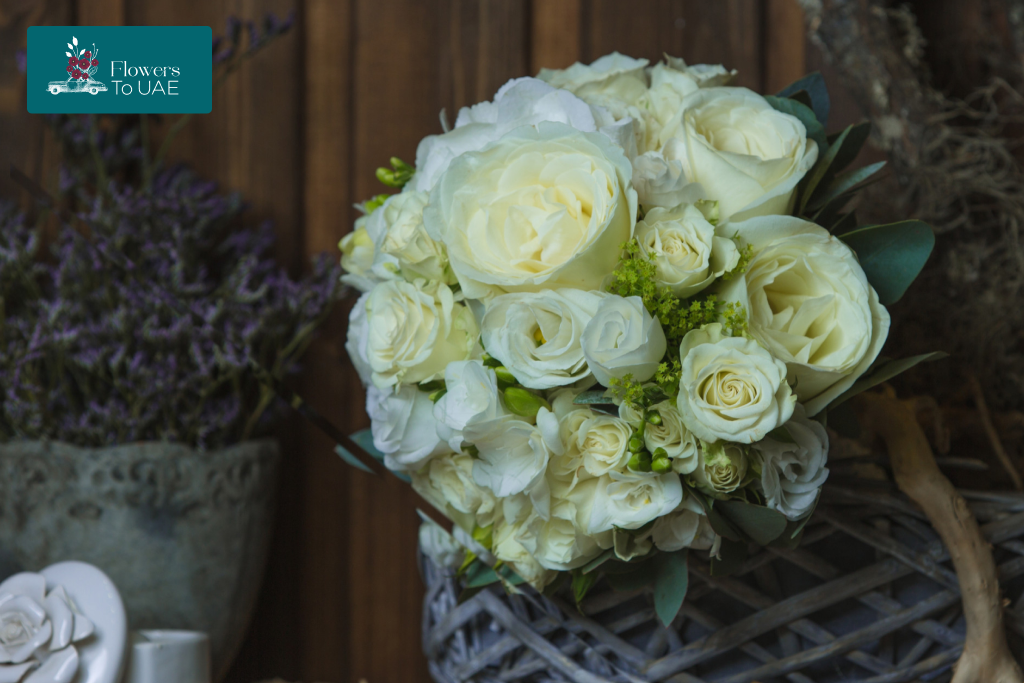
White flowers are a traditional choice because they can create a peaceful and respectful appearance. Roses, lilies, carnations, chrysanthemums, and orchids can all work well in sympathy arrangements.
Soft pink, lavender, cream, and pale yellow can also be appropriate when you want the bouquet to have a gentle touch.
There is no requirement for sympathy flowers to be completely white or dark. The most suitable choice depends on the recipient, your relationship with them, and local customs.
Consider the Person You Are Sending Them To
Think about the relationship you had with the person who passed away and the family receiving the flowers.
If you knew their favorite flower, including it can make the arrangement feel more personal. A favorite color can also be incorporated while keeping the overall design respectful.
The goal is to create a thoughtful gesture rather than simply choosing a standard sympathy bouquet.
Home Delivery or Funeral Flowers?
One detail that is easy to overlook is the delivery location.
Flowers intended for a funeral or memorial service are often designed specifically for the setting. Larger arrangements, wreaths, and standing displays can be suitable for a service.
Flowers sent to the family home are usually more personal and practical. A bouquet or compact arrangement can be placed in a living area where family members can see and appreciate it.
If you are unsure where to send the flowers, check the funeral or memorial details when available. You can also contact a family member or florist for advice.
Cultural and Religious Customs Matter
Flower etiquette is not the same everywhere.
Different cultures and religions have their own mourning customs, and flowers may not always be the preferred expression of sympathy. Some families may prefer charitable donations, food, or another form of support.
Before sending flowers, consider the family’s cultural or religious background if you know it.
When you are uncertain, asking someone close to the family can prevent an uncomfortable situation. Respecting their wishes is more important than following a general flower-giving tradition.
What Should You Write on a Sympathy Card?
A sympathy card does not need to contain a long message. In fact, simple and sincere words are often best.
You could write:
- “Thinking of you and your family during this difficult time.”
- “Please accept my deepest sympathy.”
- “Sending love and strength to you and your family.”
- “Keeping you in my thoughts and prayers.”
- “Wishing you comfort and peace in the days ahead.”
If you knew the person who passed away, you can mention a warm memory or something you appreciated about them.
A personal message can make the flowers feel less like a formal gesture and more like a genuine expression of care.
How to Send Sympathy Flowers From a Distance
Sometimes you may live in another city or country and cannot attend the funeral or visit the family.
Online flower delivery can make it easier to send your condolences from a distance. You can select an appropriate arrangement, provide the recipient’s details, choose an available delivery date, and include a sympathy message.
This can be especially useful when the family lives in Dubai or another part of the UAE.
When ordering, make sure the recipient’s address and contact information are correct. If the flowers are intended for a funeral service, check the venue and timing carefully before placing the order.
Keep the Arrangement Respectful and Practical
A sympathy arrangement does not need to be extremely large to make an impact.
Consider where the flowers will be placed and how much space the family may have. A moderate arrangement can be easier to display at home than a very large floral design.
If you know the family prefers simple decor, choose an understated bouquet. If the person who passed away loved bright flowers, adding some color may be a beautiful way to reflect their personality.
The most important consideration is thoughtfulness.
Common Mistakes to Avoid
A few simple considerations can help you choose more appropriately.
Do not assume every family wants flowers. Cultural and personal preferences vary.
Avoid overly casual messages. Sympathy cards should be sincere and respectful.
Check the delivery location. Funeral venues and private homes may have different requirements.
Do not wait because you think it is too late. A thoughtful gesture can still mean something after the funeral.
Think about the recipient. The family’s preferences and circumstances should guide your choice.
Frequently Asked Questions
What flowers are appropriate for sympathy?
White roses, lilies, carnations, chrysanthemums, orchids, and soft-colored mixed arrangements are commonly suitable. The recipient’s preferences and cultural customs should also be considered.
Is it appropriate to send sympathy flowers after a funeral?
Yes. Flowers can still be meaningful days or weeks after a loss. A later gesture can remind the grieving family that they continue to have your support.
Should sympathy flowers be sent to the funeral or the family home?
It depends on the type of arrangement and the family’s wishes. Larger formal displays may suit a funeral service, while bouquets and smaller arrangements can be appropriate for the family home.
What should I write on a sympathy flower card?
Keep your message short, sincere, and respectful. Express your condolences and let the family know that you are thinking of them.
Can sympathy flowers be delivered online?
Yes. Online flower delivery can be a convenient option when you cannot visit the family personally, particularly when sending flowers to someone in another city or country.
A Thoughtful Gesture During a Difficult Time
There is no perfect bouquet for grief, and flowers cannot take away the pain of losing someone. Their purpose is much simpler: to show care when someone is going through a difficult experience.
Choosing flowers that suit the family, respecting their customs, selecting an appropriate delivery location, and adding a sincere message can make the gesture feel genuine.
Sometimes, knowing that someone remembers you and is thinking of you can bring a small amount of comfort. A thoughtfully chosen sympathy arrangement can quietly communicate that support when words are difficult to find.