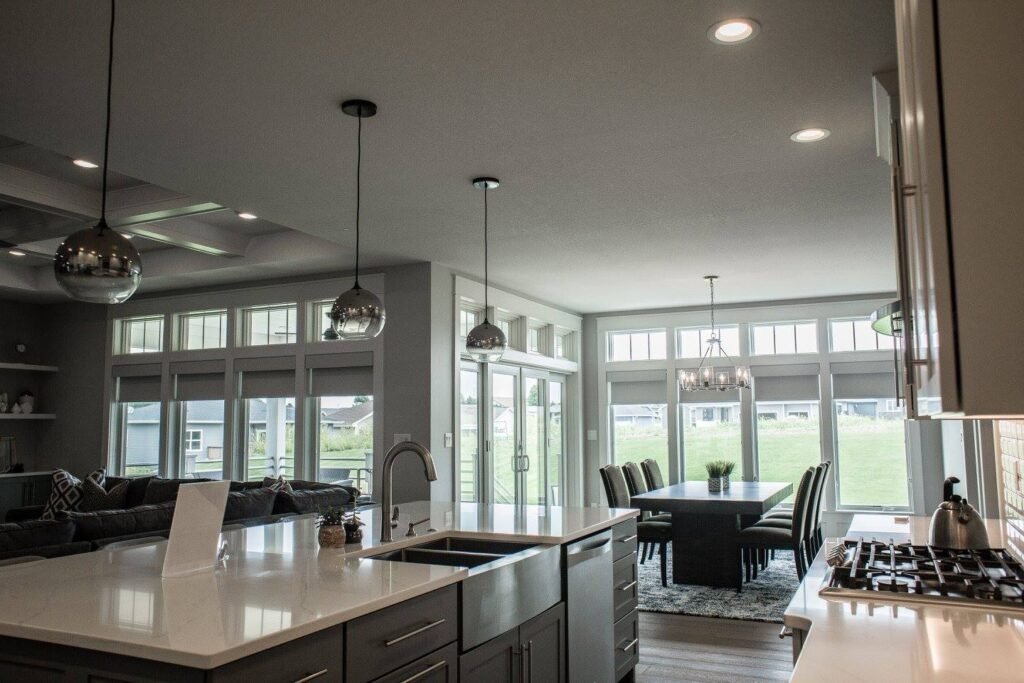
Planning a construction project involves more than deciding how the finished space should look. Whether you are renovating a home, expanding a commercial property, or undertaking a new building project, success depends on careful planning, clear communication, realistic budgeting, and reliable workmanship. Choosing the right contractor helps coordinate these responsibilities and reduces the likelihood of costly misunderstandings.
When comparing construction companies in Waterloo, IA, start by identifying your project’s scope, budget, and expected completion timeline. Different contractors specialize in different types of work, so their experience should match your specific requirements. A company experienced in residential remodeling, for example, might not provide the same services as a contractor focused on large commercial developments.
Define Your Construction Project Clearly
Before contacting contractors, prepare a description of the work you want completed. Include the property’s existing condition, your goals, preferred materials, and any important functional requirements.
For a residential renovation, this might include updating a kitchen, changing the floor plan, finishing a basement, or adding living space. Commercial projects might involve improving accessibility, reorganizing interior spaces, or constructing additional facilities.
Collect relevant measurements, photographs, drawings, and inspiration images. If architectural or engineering plans are necessary, determine who will prepare and approve them.
A clear project brief allows contractors to evaluate the scope more accurately. It also helps you compare estimates based on similar expectations instead of receiving proposals that cover different amounts of work.
Evaluate Contractor Experience and Qualifications
Experience matters because construction projects involve coordinating multiple trades, materials, inspections, and scheduling requirements.
Ask prospective contractors about their experience with projects similar in size and complexity to yours. Request examples of completed work and references from previous clients. When appropriate, inspect comparable projects to evaluate the quality of finishes, workmanship, and overall execution.
Before hiring, verify applicable contractor registrations and trade licenses, general liability insurance, workers’ compensation insurance, and permit responsibilities. In Iowa, you can check a contractor’s registration through the Iowa Department of Inspections, Appeals, and Licensing (DIAL). Iowa generally requires construction contractors earning at least $2,000 annually from construction work to register, subject to applicable exceptions. Plumbing and mechanical contractors must also meet relevant licensing requirements. Check with the appropriate city or county authorities for local requirements and permits. Ask for proof of general liability and workers’ compensation coverage, as applicable, before work begins.
You should also establish who will manage the project, communicate schedule changes, coordinate subcontractors, and answer questions. Knowing who is responsible for each decision makes the process easier to manage.
Compare Estimates and Understand Your Budget
A construction estimate should explain the expected scope, materials, labor, allowances, exclusions, and payment arrangements. Ask for a written draw schedule outlining payment amounts, milestones, and due dates, and review these details carefully before choosing a contractor.
The lowest estimate is not necessarily the best value. An inexpensive proposal might exclude demolition, waste removal, finishing work, or other necessary components. Another estimate might include better materials or a more comprehensive scope.
When comparing proposals, examine:
- Material specifications and quality.
- Labor and subcontractor costs.
- Permit and inspection responsibilities.
- Site preparation and cleanup.
- Payment milestones and the draw schedule.
- Allowances for fixtures and finishes.
- Procedures for approving additional work.
Before making final payment, obtain appropriate lien waivers or releases from the general contractor and subcontractors or suppliers who have furnished labor or materials. For residential projects in Iowa, check the Mechanic’s Notice and Lien Registry (MNLR) for project notices and liens, and confirm the necessary waivers or releases have been obtained. This helps reduce the risk of unpaid subcontractors or suppliers making claims against your property.
Set aside a contingency reserve for unexpected conditions, especially during renovations involving older structures. Concealed water damage, outdated wiring, or structural defects can affect the final cost.
Establish a Realistic Construction Timeline
Project duration depends on design complexity, material availability, weather, inspections, labor scheduling, and unforeseen conditions. Ask the contractor to provide a written schedule identifying major milestones.
These milestones might include design approval, permit issuance, demolition, structural work, mechanical installations, finishing, and final inspections.
Discuss how delays will be communicated and what happens when materials arrive late. Establishing expectations early helps you make informed decisions when circumstances change.
Avoid assuming that every project will follow an uninterrupted schedule. A realistic timeline should account for dependencies between tasks and the possibility of necessary adjustments.
Prioritize Communication and Quality Control
Clear communication helps prevent small questions from becoming expensive problems. Agree on how often progress updates will occur, how decisions will be documented, and who has authority to approve changes.
Use written change orders to record adjustments to the original scope, including their cost and schedule implications. Avoid relying on informal conversations for significant project changes.
Ask how work will be inspected at key stages. Structural elements, plumbing, electrical systems, waterproofing, and other concealed components deserve appropriate review before they are covered.
Before final payment, prepare a completion checklist and document any unfinished items that require correction.
Prepare for a Successful Construction Experience
A successful construction project combines clear planning, suitable contractor qualifications, realistic financial expectations, and consistent oversight. Taking time to evaluate these factors helps protect your investment and improves coordination throughout the project.
Define your requirements, compare detailed written proposals, and establish communication procedures before work begins. Contact a qualified construction professional serving Waterloo, IA, to discuss your project requirements and develop a practical plan for moving forward.