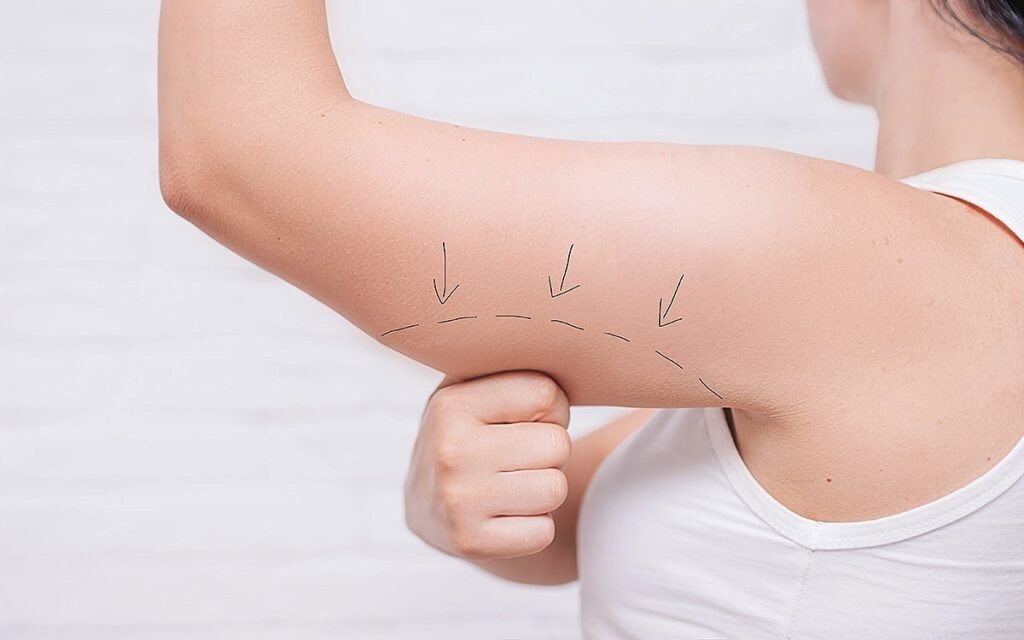
Choosing a treatment for loose or sagging upper-arm skin is an important decision that requires careful consideration of quality, safety, and expected outcomes. For many individuals, Arm Lift Surgery in Dubai can be a suitable approach when excess skin affects the appearance and contour of the upper arms. A quality-focused approach begins long before the procedure itself, with attention given to individual needs, realistic expectations, appropriate techniques, and a structured treatment pathway. Every aspect of the experience should be designed around patient well-being and the goal of achieving balanced, natural-looking arm contours rather than simply focusing on removing excess skin.
Understanding Individual Arm Contouring Needs
No two patients have exactly the same arm shape, skin quality, or degree of tissue laxity. Factors such as changes in body weight, aging, genetics, and previous weight fluctuations can all influence the appearance of the upper arms. Quality care therefore starts with understanding the individual characteristics of each patient.
A personalized assessment helps determine the areas where excess skin or tissue is most noticeable and what approach may be appropriate. Instead of relying on a standard treatment pattern, the process considers the patient’s anatomy, aesthetic preferences, and overall goals. This individualized approach supports more precise planning and helps establish realistic expectations from the beginning.
Careful Treatment Planning
Effective treatment planning is one of the foundations of quality surgical care. Before an arm-contouring procedure, important details should be evaluated to determine the most appropriate technique and treatment approach. The extent of skin laxity, tissue distribution, skin elasticity, and desired contour all contribute to the planning process.
A well-developed plan also considers how the arms should appear in relation to the shoulders, chest, and overall body proportions. The objective is not simply to reduce excess tissue but to create a more harmonious appearance. Careful planning can also help minimize unnecessary intervention while keeping the intended aesthetic outcome in focus.
Emphasis on Safety and Clinical Standards
Patient safety remains central to every stage of high-quality surgical care. A professional treatment environment should follow established hygiene, sterilization, and infection-control protocols. Appropriate patient assessment and preparation are also important components of maintaining safe standards.
Quality extends beyond the treatment room. Patients should receive clear information about preparation, the procedure, recovery expectations, and warning signs that require professional attention. A transparent process allows patients to make informed decisions and understand what to expect throughout their treatment journey.
Using Appropriate Surgical Techniques
The technique selected for upper-arm contouring should correspond to the patient’s specific needs. Different degrees of skin laxity may require different approaches, and the treatment plan should reflect these variations rather than applying the same method to everyone.
Precision is particularly important when addressing visible areas of the upper arm. Excessive tissue removal may affect natural proportions, while insufficient correction may not address the patient’s primary concerns. A carefully selected technique aims to balance contour improvement with preservation of natural-looking proportions.
Attention to Natural-Looking Results
Quality should never be measured solely by how much tissue is removed. The overall shape and balance of the arms are equally important. A refined approach focuses on creating contours that complement the patient’s existing body structure.
Natural-looking results generally depend on proportional shaping rather than an overly aggressive appearance. Attention to symmetry, transitions between treated and untreated areas, and the overall silhouette can contribute to a more balanced result. This emphasis on harmony helps ensure that the arms look appropriately contoured within the context of the entire body.
Technology and Modern Treatment Practices
Advancements in medical technology have contributed to improvements in surgical planning, assessment, and patient management. Depending on individual requirements, modern techniques and supporting technologies may assist with achieving greater precision during treatment.
However, technology should complement clinical judgment rather than replace it. The most suitable approach depends on the patient’s anatomy, treatment goals, and individual circumstances. Quality-focused care involves selecting useful technologies and techniques based on their relevance to the patient rather than using them simply because they are available.
Clear Communication Throughout the Process
Strong communication is an essential part of a positive treatment experience. Patients should have the opportunity to discuss their concerns, expectations, and desired changes before making a decision. Clear explanations can help them understand the procedure and distinguish realistic outcomes from unrealistic expectations.
Open communication should continue throughout the treatment journey. Patients benefit from knowing how to prepare, what recovery may involve, and what changes they may notice as healing progresses. Providing understandable information encourages confidence and supports informed participation in the process.
Structured Recovery Support
Recovery is an important part of achieving a successful treatment experience. Quality care does not end when the procedure is completed. Appropriate guidance during the healing period can help patients understand normal recovery changes and recognize situations that may require additional professional assessment.
Patients should receive practical instructions regarding activity, wound care, follow-up appointments, and other aspects of recovery according to their individual treatment plan. Following professional guidance can support the healing process and help patients return gradually to their normal routines.
Maintaining High Standards at Every Stage
A commitment to quality requires consistency. From the initial consultation and treatment planning to the procedure and recovery period, each stage should meet appropriate professional standards. Attention to detail can make a meaningful difference in both patient experience and treatment outcomes.
A quality-driven approach also involves reviewing each patient’s progress and responding appropriately to individual needs. Personalized attention helps ensure that the treatment pathway remains focused on safety, comfort, and the intended aesthetic goals.
Why Quality Matters When Choosing Treatment
Patients considering upper-arm contouring should look beyond promotional claims and focus on the overall quality of care. Factors such as individualized planning, safety protocols, appropriate techniques, communication, facility standards, and recovery support can provide useful insight into the treatment experience.
Taking time to understand these elements allows patients to make more informed choices. The right approach should prioritize the patient’s needs while maintaining realistic expectations about what the procedure can achieve.
A Patient-Centered Approach to Arm Contouring
A high standard of care is ultimately reflected in how carefully every part of the patient journey is handled. Individual assessment, detailed planning, appropriate treatment techniques, safety-focused practices, and ongoing communication all contribute to a patient-centered experience. By placing quality at the heart of the process, the focus remains on achieving balanced improvements while supporting patient confidence and well-being.
Book Us
If you are considering Arm lift surgery and want an approach centered on careful planning, safety, personalized attention, and quality-focused care, choosing an experienced aesthetic treatment environment can help you move forward with greater confidence. Enfield Royal Clinic provides a professional setting where patients can explore their treatment goals and receive guidance tailored to their individual needs. Contact the clinic to discuss your concerns, understand the available approach, and take the next step toward more refined and proportionate arm contours.