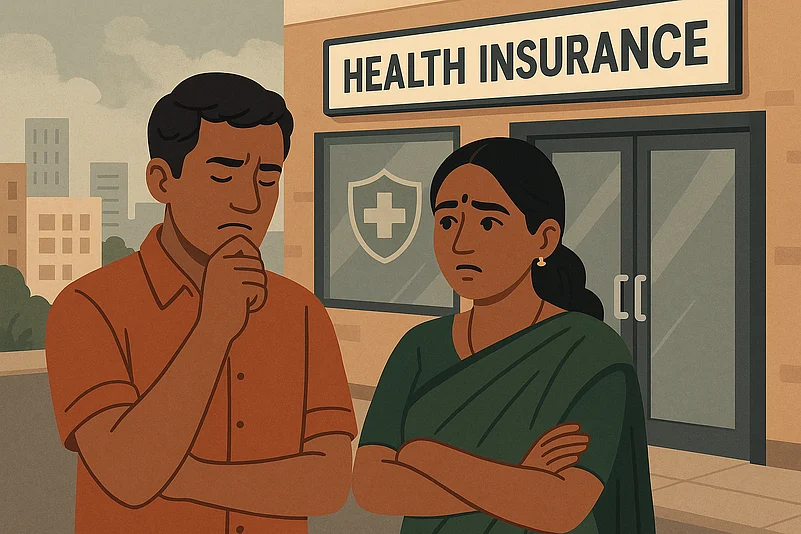
Health insurance has become an indispensable aspect of financial planning for the middle-class population in India, given the rising cost of healthcare and an increasing awareness of the need for medical coverage. Over the years, health insurance has evolved into an essential product providing financial security against unexpected medical emergencies, hospitalization bills, and long-term treatments. However, one of the most common questions among individuals and families is: “How much does health insurance typically cost per year for a middle-class Indian?”
While the exact cost for health insurance may vary based on factors like coverage, family size, age, and geographic location, industry standards provide a broad picture of the expenditure involved.
Understanding Health Insurance Costs for Middle-Class Indians
The average annual premium for health insurance in India is influenced by several factors. These include the sum insured (coverage limit), the type of plan (individual or family floater plans), the presence of add-ons like maternity insurance, and the family’s overall health and medical history. For a middle-class family of four, the yearly cost of health insurance can range from ₹12,000 to ₹50,000, depending on the features of the chosen policy.
Factors Affecting Health Insurance Premiums
Several factors determine how much middle-class individuals or families pay for health insurance in India:
- Sum Insured:
The sum insured is the maximum amount a policyholder can claim in a year, and it significantly impacts the annual premium. For example:
- A basic individual plan with a sum insured of ₹3 to ₹5 lakh may cost ₹8,000 to ₹12,000 annually.
- Family floater plans with coverage between ₹10 and ₹15 lakh typically cost ₹20,000 to ₹35,000 each year for four members.
- Age:
Age plays an important role in determining health insurance premiums. Younger policyholders typically pay lower premiums because of their lower risk of health issues, while older individuals may experience higher premiums due to higher associated risks.
- Type of Plan (Individual or Family Floater):
Family floater plans, which cover all members of a household, tend to be more cost-effective for middle-class families. Individual plans, while cheaper for a single person, may cost more cumulatively when each family member is insured separately.
- Pre-existing Conditions:
Insurers evaluate your medical history for pre-existing conditions such as diabetes, hypertension, or heart ailments. Middle-class Indians might find that policies offering coverage for pre-existing conditions come with marginally higher premiums or waiting periods.
- Add-Ons and Optional Benefits:
Maternity insurance, critical illness coverage, and accidental benefits are common riders that can be added to a base health insurance plan. While these add-ons provide enhanced protection, they increase the annual premium by a few thousand rupees.
- Maternity insurance, for instance, costs approximately ₹3,000 to ₹6,000 extra annually, depending on the coverage limit. This addition is particularly suitable for families who are planning to expand or grow in size.
- City of Residence:
Health insurance premiums can vary depending on the city you live in. Metropolitan cities like Mumbai, Delhi, and Bangalore often have higher premiums due to higher healthcare costs compared to smaller towns or rural areas.
Industry Standard Premiums for Middle-Class Families
To establish a clear idea of what middle-class Indians typically pay annually for health insurance, here are some general benchmarks based on mainstream industry practices:
- Individual Health Insurance Plans:
For individuals aged between 25 and 35 years:
- Basic coverage of ₹3 to ₹5 lakh: ₹6,000 to ₹10,000 annually.
- Enhanced coverage of ₹10 lakh or more: ₹12,000 to ₹20,000 annually.
- Family Floater Plans (2 Adults + 2 Children):
A middle-class family of four typically opts for a family floater plan due to its affordability:
- Coverage of ₹5 to ₹10 lakh: Between ₹15,000 and ₹25,000 annually.
- Higher coverage between ₹15 lakh and ₹20 lakh: ₹30,000 to ₹50,000 annually.
- Senior Citizens Health Plans:
For elder members in middle-class families, health insurance premiums tend to be higher:
- ₹3 to ₹5 lakh coverage for individuals above 60 years can range from ₹18,000 to ₹25,000 annually.
- Add-On Riders (Optional Coverage):
Add-ons such as maternity insurance, accidental benefits, and critical illness coverage typically add 15-25% to the base premium cost, depending on the provider and features.
Budgeting for Health Insurance as a Middle-Class Family
Given the income range and financial priorities of middle-class families in India, budgeting for health insurance requires a thorough evaluation of needs and potential expenses. While some may see higher premiums as a burden, it’s crucial to recognize the benefits of adequate coverage in the long term.
Ensuring Value for Money
Here are tips to ensure your health insurance offers value for money:
- Opt for Family Floater Plans:
These plans cover multiple members under a single premium, providing affordability for families.
- Evaluate Coverage Limits:
Choosing the cheapest premium without adequate coverage can backfire during emergencies. It is advisable to select a plan with coverage between ₹5 lakh and ₹10 lakh for smaller families and ₹15 lakh or more for larger families.
- Prioritize Relevant Add-Ons:
If planning for parenthood, maternity insurance is a vital addition that can save on hefty hospital bills during delivery and prenatal care.
- Consider No-Claim Bonus:
Many insurers offer a no-claim bonus, which increases the coverage limit for every claim-free year without raising premiums.
- Compare Plans Across Providers:
Comparing multiple insurers ensures middle-class buyers find affordable health insurance plans with better features and competitive pricing.
The Role of Maternity Insurance in India
Maternity insurance deserves special attention here because of its growing relevance for middle-class families. Given the costs associated with child delivery, prenatal care, and postnatal care, maternity insurance has emerged as a helpful financial tool. Many health insurance providers offer maternity coverage either as part of a comprehensive family plan or as an add-on rider.
Costs of Maternity Insurance
On average, maternity insurance can raise your premium by ₹3,000 to ₹6,000 per year. Some policies, however, include maternity benefits as part of the base plan, with waiting periods ranging from 2 to 5 years. It is advisable for couples planning a family in the near future to invest in a maternity-inclusive policy well in advance to avoid limitations posed by waiting periods.
What Maternity Insurance Covers
Maternity insurance typically covers:
- Delivery expenses (normal and cesarean)
- Prenatal and postnatal care costs
- Hospitalization for newborn care
- Vaccination expenses for the newborn
By incorporating maternity insurance into the health policy, families can reduce the financial stress associated with childbirth.
Conclusion: A Small Price for Peace of Mind
For middle-class Indians, health insurance is not just an expense but an investment in financial security and mental peace. With annual premiums ranging from ₹12,000 to ₹50,000 for a family of four, and plans customizable with riders like maternity insurance, individuals can protect themselves and their loved ones against unforeseen medical expenses.
The cost of health insurance might seem daunting at first, but when compared to the exorbitant expenses of medical treatments for critical illnesses or hospitalization, it proves to be a wise financial decision. Middle-class families can maximize the benefits of their health insurance plans by comparing policies, strategically adding riders, and regularly reviewing their requirements to ensure adequate coverage. Ultimately, health insurance empowers families by offering timely access to quality healthcare without compromising their financial stability. This ability to safeguard one’s health and finances makes health insurance indispensable for India’s growing middle-class population.