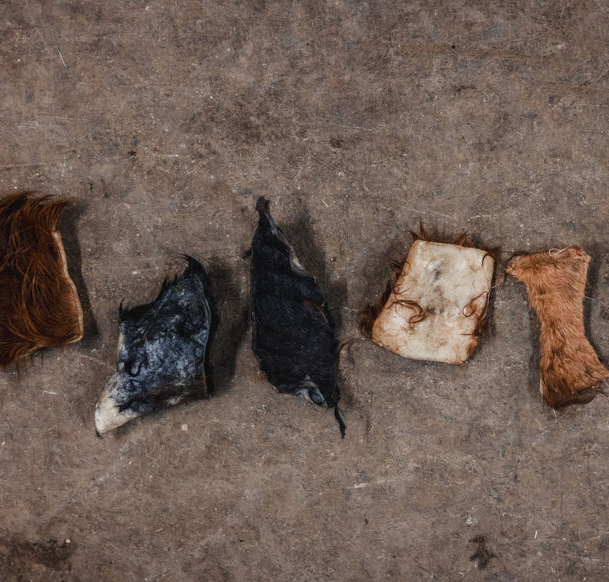
Chewing is a natural activity for dogs, and a durable chew can provide a satisfying way to stay occupied. Many pet owners consider rawhide when looking for a longer-lasting chewing option, but the time a chew lasts can vary considerably from one dog to another.
When considering beef rawhide, factors such as the dog’s size, chewing strength, chewing style, and the chew’s thickness all influence how long it may remain suitable. Understanding these factors can help pet owners set realistic expectations and manage chewing sessions responsibly.
How Long Does Beef Rawhide Last for Dogs?
Beef rawhide can last anywhere from a short chewing session to several days, depending on the individual dog and the product. There is no fixed lifespan that applies to every chew.
A gentle chewer may work on a thick rawhide for an extended period, while a powerful chewer may reduce the same product much faster. Product size and construction also make a significant difference.
Rather than focusing only on the number of days, inspect the chew regularly. Its condition is a better indicator of whether it should continue to be offered.
What Determines How Long Rawhide Lasts?
Several factors affect the durability of a rawhide chew.
Dog Size
Large dogs generally have stronger jaws and may work through a chew faster than smaller dogs. A chew designed for a large breed is typically thicker or larger than one intended for a small dog.
Chewing Strength
Some dogs are gentle nibblers, while others are determined power chewers. A strong chewer can tear or break down a product considerably faster.
Chewing Frequency
A dog that receives a chew every day will naturally finish it sooner than a dog that receives the same product occasionally.
Chew Thickness
Thicker products generally provide more material to work through. Thin strips or smaller pieces may be consumed much faster.
Chew Shape
Rolls, sticks, flat pieces, and other shapes can offer different chewing experiences. The shape may affect how easily a dog can grip and break down the product.
Gentle Chewers vs. Aggressive Chewers
Your dog’s individual chewing style is one of the biggest factors in determining durability.
Gentle chewers may slowly gnaw at a rawhide and leave it intact for longer periods. Aggressive chewers may bite, pull, and tear at the product, potentially shortening its usable lifespan.
If your dog is a powerful chewer, select a product appropriate for its size and chewing habits. Always monitor how quickly your dog breaks down the chew.
A product that lasts a long time for one dog may be finished quickly by another.
Does a Larger Rawhide Last Longer?
Generally, a larger and thicker chew may provide more chewing material than a small, thin product. However, size alone does not guarantee a particular lifespan.
A large dog may have the jaw strength to work through a substantial chew quickly, while a smaller dog may take much longer.
The product should always be selected according to the dog’s size rather than simply choosing the largest available option.
How to Tell When a Rawhide Should Be Replaced
The condition of the chew matters more than its age.
Inspect the product before and during chewing. Remove it if it becomes:
- Small enough to swallow
- Severely damaged
- Torn into large loose pieces
- Excessively soft or worn
- Difficult to handle safely
Some dogs may attempt to swallow large sections once a chew becomes sufficiently soft or broken down. Removing damaged portions promptly can help reduce potential swallowing hazards.
Supervision Is Essential
Dogs should always be supervised while chewing rawhide or any other durable treat.
Stay nearby and observe how your dog handles the product. If your dog starts tearing off large pieces or attempting to swallow them, remove the chew.
Supervision is especially important for dogs that chew aggressively or tend to consume treats quickly.
If your dog repeatedly swallows pieces instead of chewing appropriately, discuss alternative chewing options with your veterinarian.
Can Rawhide Help Keep Dogs Occupied?
One reason pet owners offer durable chews is to provide an engaging activity. A longer chewing session can give dogs something productive to focus on and may help satisfy their natural chewing instinct.
Chewing can be incorporated into a broader enrichment routine that includes walks, training, interactive toys, scent games, and supervised play.
However, chewing should not replace exercise, social interaction, balanced nutrition, or regular veterinary care.
Choosing the Right Rawhide
When purchasing a rawhide product, consider more than durability.
Look for clear information about:
- Ingredients
- Product size
- Recommended dog weight
- Preparation methods
- Feeding instructions
- Storage requirements
A simple ingredient list can make it easier to understand what your dog is receiving. If your dog has food allergies, sensitivities, or special dietary requirements, carefully review the label before introducing a new product.
Storage Can Affect Product Quality
Proper storage helps maintain the quality of natural chews between sessions.
Follow the manufacturer’s storage instructions and keep the product in a cool, dry location. Protect it from excessive moisture and heat.
Before offering a previously stored chew, inspect it for unusual odors, visible mould, discoloration, or other signs of spoilage. Discard anything that appears unsafe.
Making Chewing Safer and More Enjoyable
The goal should not simply be to find the chew that lasts the longest. A suitable chew should match the dog’s size, chewing strength, age, and individual habits.
Give your dog an appropriately sized product, establish supervised chewing sessions, and check the chew regularly. Once it becomes small or damaged, replace it.
This approach allows pet owners to focus on the overall chewing experience rather than measuring durability only by days.
Conclusion
The lifespan of beef rawhide varies based on the dog’s size, chewing strength, frequency of use, product thickness, and shape. Some chews may last for one session, while thicker options can remain suitable for longer periods. The most important factor is not how many days a chew survives but whether it remains safe and appropriately sized. Always supervise chewing, inspect products regularly, and remove worn or small pieces. Ugly Chews provides natural chewing options designed for dogs that enjoy satisfying, long-lasting chew sessions.
Frequently Asked Questions
1. How long can beef rawhide last for a dog?
It depends on the dog’s size, chewing strength, chewing frequency, and the product’s thickness. There is no standard lifespan for every dog.
2. Do aggressive chewers finish rawhide faster?
Yes. Dogs that chew aggressively can break down rawhide more quickly than gentle chewers.
3. Does thicker rawhide usually last longer?
A thicker chew may provide more material and potentially last longer, but individual chewing behavior remains an important factor.
4. When should I throw away a rawhide chew?
Remove it when it becomes small enough to swallow, heavily damaged, torn into loose pieces, or otherwise difficult for your dog to handle safely.
5. Should I supervise my dog with rawhide?
Yes. Dogs should always be supervised while chewing so damaged or small pieces can be removed promptly.