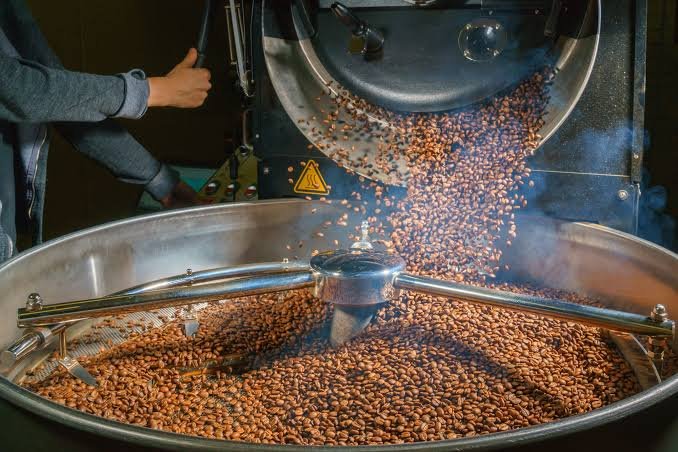
Before coffee develops its familiar aroma and flavor through roasting, it goes through a series of carefully managed steps after harvesting. Coffee cherries must be processed to remove the fruit and prepare the seeds inside for drying, storage, and eventually roasting. Several stages produce green coffee beans, including sorting, processing, drying, hulling, grading, and storage. The method chosen can also influence how the coffee develops and how its characteristics are preserved before it reaches the roaster.
Harvesting And Sorting Coffee Cherries
Processing starts with harvesting ripe coffee cherries, either by hand or mechanically, depending on the farm and terrain. After harvesting, processors sort the cherries to separate ripe fruit and remove leaves, twigs, and other foreign material. Sorting may involve visual selection, sieving, or flotation in water, creating a more uniform batch for further processing.
Removing The Layers Around The Coffee Bean
A coffee cherry contains several layers surrounding its seeds. These layers are handled differently depending on the processing method.
The main layers involved are:
- Outer Skin: The visible outer covering of the coffee cherry.
- Pulp: The fleshy fruit located beneath the outer skin.
- Mucilage: The sticky material surrounding the parchment layer.
- Parchment: A protective covering that surrounds the coffee seed.
How and when processors remove these layers helps distinguish washed, natural, and honey processing.
Choosing A Coffee Processing Method
Coffee processing methods mainly differ in how much fruit remains around the seed during drying. The three commonly used approaches are washed, natural, and honey processing.
Washed Processing
In washed processing, cherries are pulped to remove the skin and much of the fruit. The beans remain covered by parchment and mucilage. Fermentation or mechanical methods can help remove the remaining mucilage. The coffee is then washed and prepared for drying.
Natural Processing
Natural processing involves drying whole coffee cherries with the fruit surrounding the seeds. The cherries are spread on suitable drying surfaces and turned regularly to encourage even drying. Once dried, the fruit is mechanically removed to expose the seeds.
Honey Processing
In honey processing, the skin and part of the pulp are removed while some mucilage remains around the parchment. The coffee dries with this material attached. After drying, milling removes the remaining protective layers.
Drying The Coffee Beans
Drying reduces coffee moisture to a level suitable for storage and further preparation. Coffee may dry in the sun on patios or raised beds, or through mechanical dryers. During sun drying, regular turning supports even moisture reduction. Careful moisture management helps maintain the physical condition of the beans before milling and storage.
Hulling The Dried Coffee
After drying, coffee moves to hulling or milling. In washed coffee, hulling removes the dried parchment surrounding the seed. In naturally processed coffee, milling removes the dried fruit or husk. This stage exposes the green bean for further sorting and grading. Proper hulling also prepares the beans for more consistent quality evaluation.
Sorting And Grading The Coffee Beans
Once the beans have been hulled, they are sorted and graded into different lots based on factors such as size and quality. These practices can vary by origin and market, including across different approaches to coffee sourcing in India.
Common preparation activities include:
- Size Sorting: Screens separate beans by size.
- Density Sorting: Equipment separates beans based on density.
- Defect Sorting: Manual or machine sorting identifies physical defects and foreign material.
- Quality Classification: Lots are classified according to applicable quality requirements.
These activities prepare coffee lots for storage, trade, transportation, and eventual roasting.
Storing Green Coffee Before Roasting
Processors store green coffee beans under suitable conditions until roasting. Storage management typically considers moisture, humidity, packaging, temperature, and cleanliness to preserve coffee quality.
Once processing, drying, hulling, and grading are complete, the beans can move through the supply chain to the roaster. Roasting then applies heat to transform the raw coffee seeds and develop the characteristics associated with roasted coffee.
Conclusion
Coffee processing connects harvesting and roasting through several carefully managed stages. Producers sort harvested cherries, manage the fruit surrounding the seeds, choose a processing method, dry the coffee, remove the remaining outer layers, and grade the beans. Suitable storage then keeps the prepared coffee in good condition until roasting. Washed, natural, and honey methods differ in how they remove fruit, but each prepares coffee for the next stage of its journey from harvested cherry to roasting-ready bean.coffee sourcing in India.