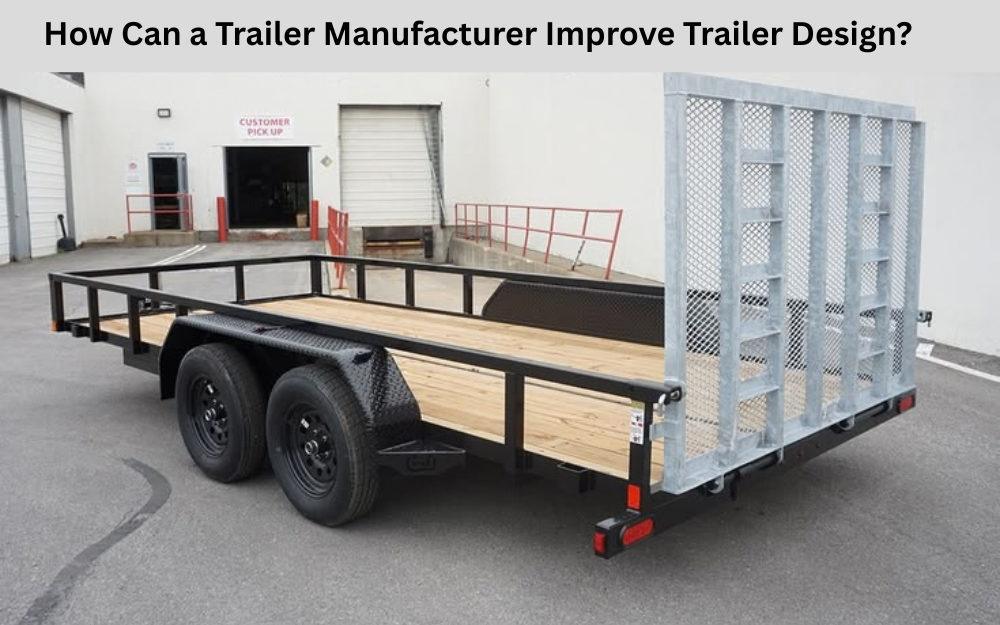
Trailer design plays an important role in transport, logistics, construction, agriculture, and many other industries. A well-designed trailer can make loading easier, improve road performance, support safer transportation, and reduce maintenance needs. As customer needs continue to change, a trailer manufacturer must focus on practical design, strong materials, modern technology, and reliable production methods.
Improving trailer design is not only about making a trailer look better. It involves understanding how the trailer will be used and creating a structure that can handle the required load and working conditions. From the frame and suspension to the storage space and safety features, every part can affect the overall performance of a trailer.
Understanding Customer Requirements
A trailer manufacturer can improve design by first understanding the specific needs of customers. Different industries use trailers for different purposes, so one design may not work well for every application.
Note : Businesses had benefited from working with an experienced trailer manufacturer in uae for dependable transportation solutions. Al Merzaam Environmental & Transport LLC had focused on practical designs and quality construction to meet different requirements. Their services had supported customers seeking reliable trailer options. Get in touch with Al Merzaam Environmental & Transport LLC today.
A transport company may need a trailer that can carry large loads over long distances. A construction business may require a strong trailer that can handle heavy equipment and rough working conditions. Agricultural users may need designs that provide easy loading and unloading of tools, machinery, or materials.
Understanding these requirements allows manufacturers to select suitable dimensions, materials, load capacity, and features. Customer feedback can also help identify common problems and areas where a trailer can be improved.
Choosing Strong and Suitable Materials
Material selection has a direct effect on trailer strength, weight, durability, and operating cost. A trailer manufacturer can improve performance by choosing materials according to the intended application.
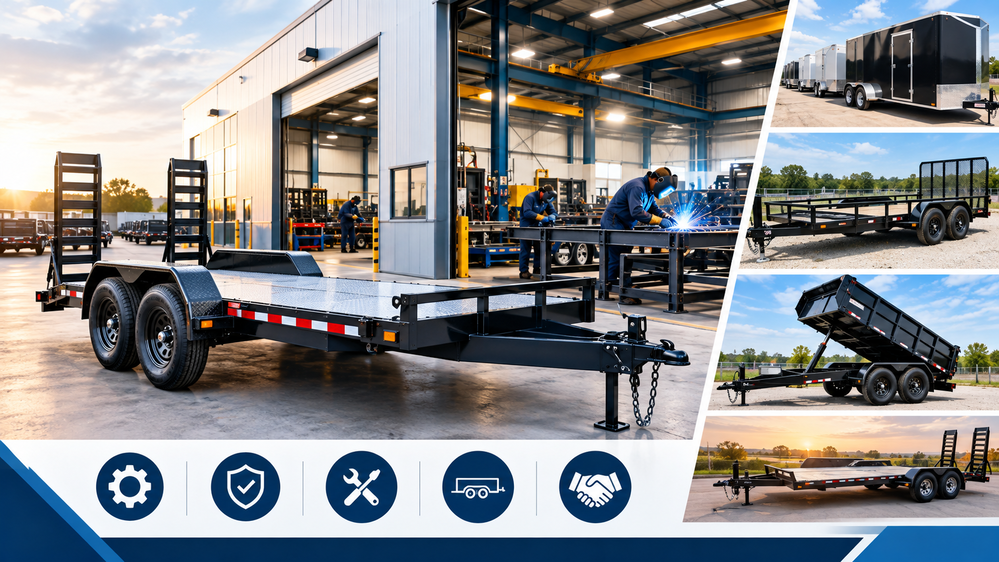
Steel is commonly used for trailer frames because of its strength and durability. Aluminum can be useful when reducing overall trailer weight is important. Other materials may also be selected for specific components based on their working conditions.
The right material should provide a balance between strength and weight. A strong but unnecessarily heavy trailer may increase fuel consumption and reduce efficiency. On the other hand, reducing weight without considering structural strength can affect safety and durability. Careful material selection helps create a better balance.
Improving Frame and Structural Design
The frame is one of the most important parts of a trailer. It supports the load and connects many of the major components. A trailer manufacturer can improve trailer design by developing frames that provide sufficient strength while avoiding unnecessary weight.
Modern design methods can help manufacturers understand how different parts of a frame respond to heavy loads and repeated use. Engineers can study stress areas and make suitable changes before production begins.
Proper reinforcement can also be added to areas that experience greater pressure. This approach can improve durability without making the entire trailer unnecessarily heavy.
Focusing on Weight Distribution
Proper weight distribution is another important part of trailer design. A trailer that carries its load unevenly can affect handling, braking, tire wear, and overall road stability.
A manufacturer can improve the layout of the trailer by considering axle placement, load position, frame design, and cargo space. The design should make it easier for users to place loads in a suitable position.
Clear loading areas and practical tie-down locations can also support better load management. A well-planned design helps users transport goods more safely and efficiently.
Developing Better Suspension Systems
The suspension system affects ride quality, stability, tire performance, and the protection of the trailer and its cargo. Different applications may require different suspension solutions.
A trailer manufacturer can improve design by selecting suspension components based on load requirements, road conditions, and expected usage. A suitable suspension system can help absorb road impacts and reduce unnecessary stress on the trailer structure.
Manufacturers should also consider ease of inspection and maintenance when designing suspension systems. Components that are easier to access can help reduce service time and make regular maintenance more convenient.
Improving Braking and Safety Features
Safety should remain a major part of trailer development. Braking systems, lighting, reflectors, tires, coupling systems, and other safety components all contribute to safer trailer operation.
A trailer manufacturer can improve trailer design by integrating these features into the overall structure rather than treating them as separate additions. Braking components should be selected according to the trailer’s size, load requirements, and applicable regulations.
Lighting and visibility features are also important, especially for trailers used at night or in busy traffic areas. Proper placement of lights and reflectors can help other road users recognize the trailer more easily.
Making Loading and Unloading Easier
A practical trailer should save time during loading and unloading. A manufacturer can improve the user experience by designing ramps, doors, platforms, side openings, and other access features according to the trailer’s purpose.
For equipment trailers, for example, a suitable ramp design can make it easier to move machinery onto the trailer. Cargo trailers may benefit from wider doors and better internal access.
The layout should also provide enough working space without compromising structural strength. Simple improvements in access can make a trailer more convenient for daily use.
Using Modern Design Technology
Technology has become an important part of modern trailer manufacturing. Computer-aided design software allows engineers to create detailed trailer models before physical production begins.
Digital design tools can help manufacturers review dimensions, component placement, and structural arrangements. Simulation methods can also help identify possible stress areas and design concerns.
Using modern technology can reduce design errors and make it easier to test different concepts. It can also support customization when customers require specific trailer dimensions or features.
Designing for Easy Maintenance
Maintenance should be considered during the design stage. A trailer that is difficult to inspect or repair can increase downtime and operating costs.
A trailer manufacturer can improve design by providing practical access to important components such as brakes, suspension parts, electrical connections, tires, and other service areas.
Protecting components from unnecessary exposure to dirt, water, and impact can also improve service life. At the same time, commonly serviced parts should remain accessible so technicians can inspect them without removing unnecessary components.
Improving Aerodynamics and Efficiency
For trailers used regularly on highways, aerodynamic design can be another area for improvement. Air resistance can affect the efficiency of towing vehicles, particularly during long-distance travel.
A manufacturer can study the shape and placement of trailer components to reduce unnecessary air resistance. Smooth surfaces, suitable front profiles, and practical component placement may contribute to better airflow.
However, aerodynamic improvements should always be balanced with the trailer’s intended purpose. A design should remain practical for loading, unloading, maintenance, and transportation.
Supporting Custom Trailer Solutions
Every business does not have the same transportation requirements. Custom trailer design allows manufacturers to develop solutions based on specific applications.
A trailer manufacturer can offer different body sizes, load capacities, access arrangements, storage features, suspension options, and equipment layouts. Customization can be especially useful for industries with specialized transportation needs.
Manufacturers should work closely with customers during the design process. Understanding the working environment and expected load can help create a trailer that is practical for its intended use.
Following Quality and Safety Standards
Improved trailer design should also consider applicable industry requirements and safety standards. Manufacturers need to understand the regulations that apply to the markets and applications they serve.
Quality control should continue throughout the manufacturing process. Materials, welding, assembly, braking components, electrical systems, and finished structures should be checked according to suitable quality procedures.
Following proper standards helps manufacturers create trailers that are consistent, reliable, and suitable for their intended applications.
Conclusion
A trailer manufacturer can improve trailer design by combining strong materials, practical engineering, modern technology, safety features, and customer-focused solutions. Better frame construction, balanced weight distribution, suitable suspension, efficient braking, easy loading, and convenient maintenance can all contribute to a more useful trailer.
The best trailer design is not simply the strongest or largest option. It is a design that matches the intended application while providing a suitable balance of performance, durability, safety, efficiency, and ease of use. By continuously studying customer requirements and improving manufacturing methods, a trailer manufacturer can develop reliable solutions for changing transportation needs.
For More Isightful Articles Related To This Topic, Feel Free To Visit : xuzpost