Homeowners often make improvements to their properties to increase comfort, improve appearance, or protect their homes from weather. However, some changes can unintentionally create opportunities for wildlife to enter or shelter around the house. New landscaping, outdoor storage, roof repairs, and changes to unused spaces may all influence how animals interact with a residential property.
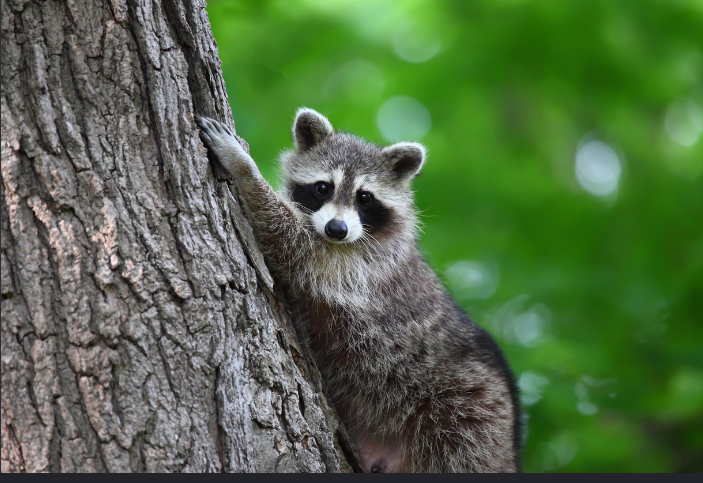
Raccoons are adaptable animals that can investigate attics, crawl spaces, garages, and other sheltered locations. When one enters a home, timely raccoon removal can help address the immediate concern. Understanding how everyday property changes may attract or accommodate wildlife can also help homeowners make better maintenance decisions.
Landscaping Can Change Wildlife Access
Landscaping is one of the most common ways homeowners change their outdoor environment. New trees, shrubs, flower beds, and groundcovers can improve the appearance of a yard, but dense vegetation may also create concealed routes for wildlife.
Raccoons may move through areas where they can remain protected from direct observation. Thick shrubs near fences, vegetation beside the house, and overgrown spaces around sheds can make it easier for animals to travel without being noticed.
Homeowners should consider visibility when planning landscaping. Keeping some clearance around the foundation, doors, and frequently used pathways can make it easier to notice animal activity.
New Outdoor Structures Need Attention
Adding a shed, deck, porch, or storage structure can change the available shelter around a property. Raised decks and porches may create spaces underneath that are shaded and protected from weather.
These spaces can become attractive to wildlife when they remain undisturbed. Raccoons may investigate them while searching for a place to rest or establish a den.
Before and after installing an outdoor structure, homeowners should consider how accessible the underside will be. Skirting, appropriate barriers, and regular inspections can help reduce unwanted access when properly installed.
Roof Improvements May Leave Gaps
Roof repairs and exterior improvements are important parts of home maintenance. However, incomplete work, damaged materials, or openings around vents and soffits can create access points for wildlife.
Raccoons are capable climbers and may investigate roof edges, chimneys, and attic vents. A small weakness around these areas can become a route into a protected space.
After completing roof work, homeowners should check that vents, screens, and exterior materials are secure. Any suspected access point should be evaluated carefully before it is sealed.
Outdoor Storage Can Become Shelter
Home improvements often involve moving materials, equipment, and supplies around the property. Lumber, roofing materials, boxes, and unused equipment may remain outside for extended periods.
When these items are stacked or stored without organization, they can create hidden spaces for animals. Raccoons may investigate these areas, especially when they provide protection from weather and human activity.
Keeping storage areas organized can improve visibility and reduce unnecessary shelter. Materials that are no longer needed should be removed when practical, while items that must remain outside should be stored neatly.
Changes to Garbage Storage Matter
Replacing garbage containers or changing the location of outdoor waste storage can affect wildlife activity. Containers that are easy to open or frequently left uncovered may provide accessible food sources.
Raccoons are known for investigating garbage and other food sources around homes. Even when a property is well maintained, unsecured food waste can encourage repeated visits.
Homeowners should use containers with secure lids and avoid leaving food scraps exposed. Garbage areas should also be kept clean to reduce lingering odors.
New Feeding Areas Can Attract Animals
Some homeowners add bird feeders, outdoor pet-feeding areas, or compost systems as part of their property improvements. These additions can support useful outdoor activities, but they may also attract wildlife when food becomes easily accessible.
Birdseed that falls to the ground can attract smaller animals, while outdoor pet food may encourage repeated visits from raccoons and other wildlife.
Feeders should be positioned thoughtfully, and pet food should not be left outside for long periods. Compost should also be managed appropriately to reduce unnecessary food odors.
Check Changes Around the Foundation
The foundation area can become overlooked during home improvement projects. New garden beds, decorative materials, drainage changes, and outdoor equipment may create spaces where wildlife can hide or move close to the structure.
Homeowners should regularly inspect areas around crawl-space doors, vents, basement windows, and utility openings. Damaged screens or gaps may provide access to protected spaces.
Keeping the foundation area reasonably clear can make it easier to identify new problems and maintain visibility around the home.
Rodent Activity Can Increase Wildlife Interest
Changes around a property may also influence small animal activity. Food storage, clutter, landscaping, and structural openings can create conditions that support mice and rats.
If rodents establish themselves near a home, predators may have an additional reason to investigate the area. Homeowners who notice droppings, gnaw marks, nesting materials, or scratching sounds should pay attention to these signs.
When recurring rodent activity becomes a concern, raccoon removal columbia sc services can help identify active areas and possible access points. Addressing the conditions that support rodents may also contribute to broader wildlife prevention.
Watch for Changes After Storms
Storms can alter a property quickly. Fallen branches, damaged roofing materials, broken screens, and disturbed outdoor storage can create new opportunities for wildlife.
After severe weather, homeowners should inspect the exterior for visible damage. Roof edges, attic vents, soffits, and areas around trees deserve particular attention.
Repairing damaged areas promptly can reduce the time available for animals to discover new entry points.
Avoid Sealing Active Entry Points
Finding a gap does not always mean it should be closed immediately. If an animal is already inside an attic, wall cavity, or crawl space, sealing the opening without confirming its location may create additional problems.
A professional inspection can help determine whether an access point is active and whether wildlife is present inside the structure.
Once the animal has been safely removed, appropriate repairs and exclusion measures can help reduce the likelihood of future entry.
Review Property Changes Regularly
Home improvements should not end with installation or construction. New structures, landscaping, storage arrangements, and exterior repairs should be reviewed periodically to make sure they are not creating unexpected wildlife opportunities.
A simple inspection routine can include checking the roofline, foundation, outdoor storage, garbage areas, and spaces beneath structures.
These checks can help homeowners notice unusual activity before it develops into a larger concern.
Protect Your Home Through Thoughtful Maintenance
Everyday property improvements can provide comfort and convenience, but they may also change the environment around a home. Landscaping, storage, roof repairs, outdoor structures, and food storage can all influence how wildlife interacts with a property.
Homeowners can reduce unwanted activity by maintaining visibility, securing food sources, checking structural openings, and keeping outdoor areas organized. When a raccoon has already entered a protected space or repeated signs of activity appear, professional inspection and removal can help address the problem.
A thoughtful approach to home maintenance allows homeowners to enjoy their property while reducing opportunities for wildlife to settle where it does not belong.