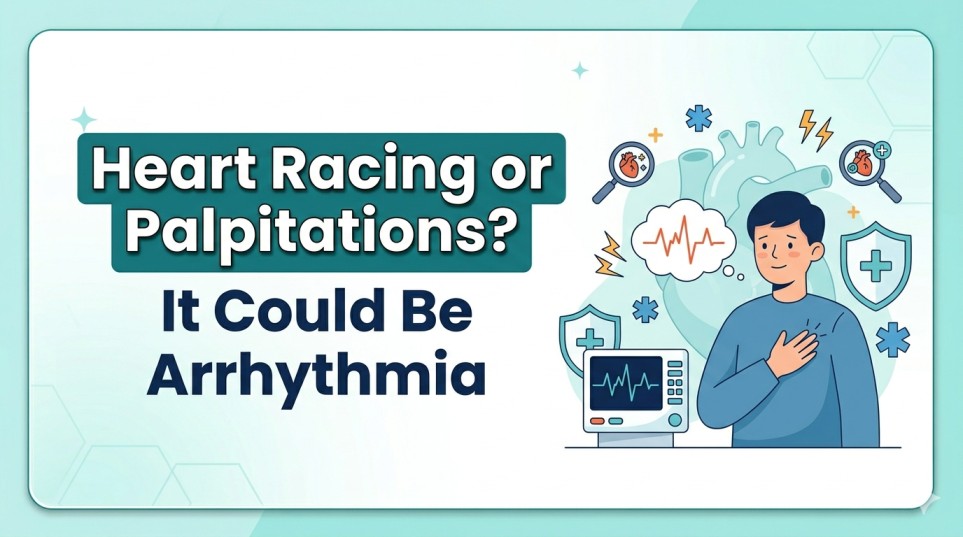
Have you ever felt your heart suddenly start racing for no clear reason? Or noticed a fluttering sensation in your chest that comes and goes? It can feel alarming, especially when it happens out of the blue. While occasional palpitations can be harmless, frequent or persistent episodes might point to something more serious—like arrhythmia.
Understanding what your body is trying to tell you is important. Many people ignore these early warning signs until the symptoms worsen. Let’s break it down in simple terms so you know when to pay attention and what steps to take.
What Are Heart Palpitations?
Heart palpitations are sensations where you become aware of your heartbeat. It may feel like:
- Your heart is racing
- Skipping beats
- Fluttering in your chest
- Pounding harder than usual
These sensations can happen during rest, after exercise, or even while lying down. Sometimes they last just a few seconds, while other times they may continue for minutes.
Not all palpitations are dangerous. Stress, caffeine, dehydration, or lack of sleep can also trigger them. But when they become frequent or are accompanied by other symptoms, they should not be ignored.
What Is Arrhythmia?
Arrhythmia refers to an irregular heartbeat. This means your heart may beat too fast, too slow, or unevenly. It occurs when the electrical signals that control your heartbeat don’t work properly.
Some common types include:
- Tachycardia (fast heart rate)
- Bradycardia (slow heart rate)
- Atrial fibrillation (irregular rhythm)
While some arrhythmias are mild, others can increase the risk of serious complications like stroke or heart failure.
Common Symptoms You Should Watch For
Apart from palpitations, arrhythmia may cause:
- Dizziness or lightheadedness
- Shortness of breath
- Chest discomfort
- Fatigue
- Fainting (in severe cases)
If you notice these symptoms along with irregular heartbeats, it’s important to consult a doctor.
What Causes Arrhythmia?
Arrhythmia doesn’t always come from heart disease. In many cases, underlying imbalances in the body can trigger it.
1. Electrolyte Imbalance
Your heart depends on minerals like Electrolytes to function properly. When levels are off, your heart rhythm can be affected.
Key minerals include:
- Magnesium
- Potassium
Low or high levels of these can disrupt the electrical activity of the heart.
2. Thyroid Problems
Your thyroid gland controls metabolism, and when it’s overactive or underactive, it can affect your heart rate. A Thyroid Profile helps detect conditions like hyperthyroidism, which is a common cause of palpitations.
3. Lifestyle Factors
- High caffeine intake
- Smoking
- Alcohol consumption
- Stress and anxiety
These can all trigger irregular heart rhythms.
4. Underlying Health Conditions
- High blood pressure
- Diabetes
- Heart disease
These conditions increase the likelihood of arrhythmia over time.
Why Testing Matters
Many people delay testing because symptoms seem minor or temporary. But identifying the root cause early can prevent complications.
Simple diagnostic tests can reveal what’s happening inside your body. These may include:
- Blood test to check overall health markers
- Electrolytes levels
- Magnesium and Potassium balance
- Thyroid Profile
These tests help doctors understand whether your palpitations are due to a temporary imbalance or a more serious issue.
The Convenience of Modern Testing
Today, getting tested is easier than ever. You don’t always need to visit a lab physically.
With options like:
- Blood test online booking
- Blood test at home services
You can schedule tests at your convenience and get accurate results without disrupting your routine.
Choosing the best diagnostic lab ensures reliable reports and proper guidance for next steps.
When Should You Seek Help?
You should not ignore palpitations if:
- They occur frequently
- Last longer than a few minutes
- Are accompanied by dizziness or chest pain
- You have a history of heart problems
Even if the symptoms seem mild, getting checked once can give peace of mind and prevent future complications.
Simple Steps to Protect Your Heart
While medical testing is important, small lifestyle changes can also make a big difference:
- Stay hydrated
- Reduce caffeine intake
- Manage stress through relaxation techniques
- Maintain a balanced diet rich in Magnesium and Potassium
- Get regular health checkups
These steps can help regulate your heart rhythm and improve overall well-being.
Final Thoughts
A racing heart can be easy to dismiss, especially in a busy life. But your body often gives subtle signals before a bigger issue develops. Listening to those signals can make all the difference.
Arrhythmia is manageable, especially when detected early. The key is awareness and timely testing.
If you’ve been experiencing unexplained palpitations, consider getting a blood test and checking your Electrolytes, Thyroid Profile, Magnesium, and Potassium levels. Early diagnosis can help you take control of your heart health.
For accurate testing and trusted diagnostic support, Dr. B. Lal Clinical Laboratory offers reliable services backed by years of expertise.