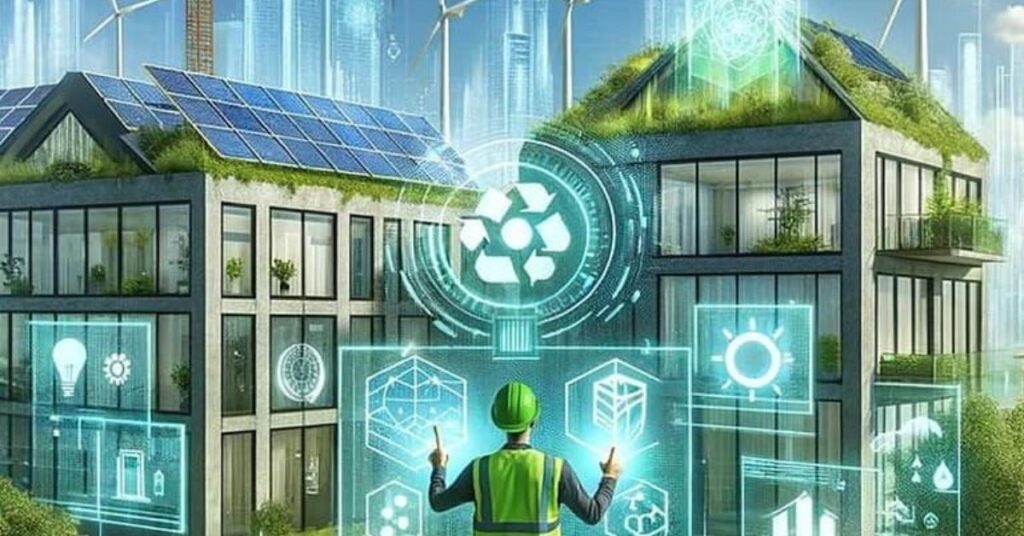
Green Building Consultants and Smart Construction
The construction industry is evolving rapidly, with a strong shift toward smarter and more sustainable practices. Today, buildings are not just about structure, they are about efficiency, environmental responsibility, and long-term performance. This is where Green Building Consultants play a vital role in shaping the future of smart construction.
Building with Purpose, Not Just Materials
Modern construction is no longer about simply completing a project, it’s about creating spaces that serve both people and the environment. Smart construction focuses on reducing waste, improving efficiency, and using resources wisely from the very beginning.
Consultants help align design strategies with sustainability goals, ensuring that every decision contributes to a better, more responsible outcome.
Where Technology Meets Sustainability
Smart construction relies heavily on technology, and sustainability is at its core. From energy modeling tools to automated building systems, digital innovation allows projects to perform better while consuming fewer resources.
These technologies help monitor energy usage, optimize lighting and ventilation, and improve overall building performance without compromising comfort.
Smarter Energy Use Starts Early
One of the biggest advantages of smart construction is energy efficiency. By planning systems early in the design phase, consultants ensure that buildings use less power while maintaining high functionality.
This includes:
- Efficient HVAC systems
- Smart lighting solutions
- Renewable energy integration
The result is lower operational costs and a reduced environmental footprint.
Designing Healthier Spaces for People
Sustainability isn’t just about the environment, it’s also about the people who use the space. Smart construction emphasizes indoor air quality, natural lighting, and thermal comfort.
These elements create healthier and more productive environments, whether in residential, commercial, or industrial buildings.
Meeting Global Standards with Confidence
As sustainability becomes a global priority, many projects aim to meet recognized environmental benchmarks. Achieving LEED Building Certification ensures that a building meets high standards for energy efficiency, water usage, and environmental impact.
This not only improves the building’s credibility but also increases its long-term value.
Reducing Costs While Increasing Value
A common myth is that sustainable construction is expensive. In reality, smart planning leads to significant savings over time. Efficient systems reduce energy bills, maintenance costs, and resource consumption.
Over the lifecycle of a building, these savings often outweigh the initial investment, making sustainability a financially sound decision.
Turning Data into Better Design Decisions
Smart construction is increasingly driven by data. From energy simulations to performance analytics, data helps teams make informed decisions before and after construction. By understanding how a building will behave in real-world conditions, consultants can fine-tune systems for maximum efficiency. This reduces guesswork and ensures that every design choice delivers measurable value.
Collaboration That Drives Better Outcomes
No modern project succeeds in isolation. Smart construction encourages collaboration between architects, engineers, and project managers from the early stages. This integrated approach helps identify potential challenges early, avoid costly rework, and ensure smooth execution. When teams work together with a shared sustainability vision, the final outcome is far more efficient and cohesive.
Adapting to Changing Environmental Needs
As climate conditions and regulations continue to evolve, buildings must be designed to adapt. Smart construction focuses on flexibility, allowing systems to be upgraded or modified over time. This future-ready approach ensures that buildings remain efficient and compliant for years to come. It also helps owners stay ahead of environmental standards without major redesigns.
The Future is Smart and Sustainable
The future of construction lies in the balance between innovation and responsibility. Smart construction, guided by expert consultants, ensures that buildings are adaptable, efficient, and environmentally conscious.
As urban development continues to grow, the demand for smarter, greener solutions will only increase, making sustainable practices an essential part of every project.
Conclusion
Smart construction is redefining how buildings are designed and used. With the right expertise, it is possible to create spaces that are efficient, sustainable, and future-ready. By combining technology with thoughtful planning, the industry is moving toward a greener and more intelligent future, one building at a time.