
Introduction
Google Search has undergone one of its biggest transformations in recent years, and 2026 marks a new chapter for businesses across Canada. With the widespread rollout of Google AI Overview, users are receiving AI-generated summaries directly within search results before clicking on traditional website listings. This evolution has significantly changed how people discover information, compare products, and make purchasing decisions online.
For Canadian businesses, digital marketers, and website owners, this shift represents both a challenge and an opportunity. While traditional search engine optimization (SEO) remains essential, ranking on the first page alone is no longer the ultimate goal. Content must now be trustworthy, comprehensive, and structured in a way that Google’s AI can easily understand and reference.
The emergence of AI-powered search has also increased the importance of expertise, user experience, technical optimization, and content depth. Websites that focus solely on keywords without delivering genuine value are finding it increasingly difficult to compete.
This article explores how Google AI Overview has reshaped SEO in Canada during 2026, explains what businesses should expect moving forward, and outlines practical strategies to remain visible in an AI-first search landscape.
Key Takeaways
- Google AI Overview is changing how users interact with search results.
- Traditional rankings remain important but are no longer the only source of visibility.
- Helpful, authoritative, and well-structured content has become a major ranking factor.
- E-E-A-T principles play a larger role in Google’s evaluation process.
- Technical SEO continues to support crawling, indexing, and user experience.
- Local businesses in Canada have new opportunities through optimized local content.
- Success is increasingly measured through visibility, engagement, and conversions instead of rankings alone.
What Is Google AI Overview?

Google AI Overview is an AI-powered feature that generates concise answers directly within search results by combining information from multiple trusted sources. Rather than requiring users to open several webpages, Google provides an overview that summarizes important information while offering links to supporting websites.
Unlike traditional featured snippets, AI Overview produces more conversational and detailed responses that answer complex questions. It understands user intent, context, and follow-up queries, making search more interactive and informative.
For website owners, this means visibility depends not only on ranking highly but also on publishing content that Google’s AI considers trustworthy enough to reference. Pages that clearly answer questions, provide factual information, and demonstrate expertise have greater opportunities to appear as supporting sources.
Canadian businesses should understand that AI Overview doesn’t eliminate SEO—it changes how SEO creates value. Instead of focusing only on keyword placement, businesses must develop content that solves real problems and offers complete, accurate answers users can trust.
How AI Overview Has Changed Search in Canada
Canadian search behavior has evolved significantly with AI-generated search experiences. Users now expect immediate answers, summarized insights, and personalized recommendations before deciding whether to visit a website.
This change has influenced click patterns across industries. Informational searches often end within Google’s AI-generated summaries, while transactional and commercial searches still encourage users to visit websites for additional details, pricing, reviews, or purchases.
Businesses operating in competitive Canadian industries are therefore competing for two forms of visibility:
- Traditional organic rankings
- AI Overview citations
Winning both requires publishing content that is accurate, comprehensive, and updated regularly.
Industries including healthcare, finance, legal services, education, technology, and home services have seen the biggest impact because users often seek detailed explanations before making important decisions.
Canadian organizations that continually improve content quality, answer user questions, and maintain updated information are seeing stronger long-term performance despite changing search behaviors.
Traditional SEO vs AI-Driven Search Results
Although SEO fundamentals remain important, Google’s AI has changed how search results are evaluated and presented.
| Traditional SEO | AI Overview SEO |
| Focus on keyword rankings | Focus on comprehensive answers |
| Optimize individual pages | Build topical authority |
| Improve backlinks | Improve credibility and expertise |
| Target search volume | Match user intent deeply |
| Increase click-through rates | Increase citation potential |
| Content length mattered | Content usefulness matters more |
Traditional optimization emphasized ranking positions. Today, Google’s AI analyzes whether content genuinely satisfies the user’s intent.
Content should explain concepts clearly, include supporting evidence, answer related questions, and demonstrate expertise throughout the article.
Businesses that adapt to this broader content strategy are more likely to earn visibility across both traditional search results and AI-generated responses.
Why Content Quality Matters More Than Ever
Content quality has become the defining factor separating successful websites from those experiencing declining visibility.
Google’s AI evaluates multiple signals beyond keywords. It considers accuracy, depth, originality, readability, user satisfaction, and overall usefulness.
High-performing articles typically include:
- Clear explanations
- Logical heading structure
- Practical examples
- Updated statistics where relevant
- Internal topic consistency
- Natural language
- Reader-focused writing
Rather than producing dozens of thin articles targeting similar keywords, businesses benefit more from creating comprehensive resources that fully address user questions.
For organizations looking to improve digital visibility, partnering with a professional search engine optimization company Canada can also help develop content strategies aligned with Google’s evolving AI algorithms while maintaining long-term organic growth.
Ultimately, helpful content earns greater trust from both users and Google’s AI systems.
Pro Tip:
Rather than writing content only for search engines, create resources that genuinely help readers solve problems. Structure articles using clear headings, concise explanations, practical examples, and direct answers to common questions. Include supporting details that demonstrate expertise instead of repeating keywords unnecessarily. AI systems are designed to identify content that provides clarity, accuracy, and completeness. When your pages consistently answer user intent better than competing resources, they become stronger candidates for AI citations, increasing both visibility and credibility over time.
The Role of E-E-A-T in 2026

Experience, Expertise, Authoritativeness, and Trustworthiness (E-E-A-T) have become even more influential in Google’s evaluation of web content.
AI-generated search experiences require reliable information. As a result, Google places greater emphasis on identifying websites that consistently publish accurate, well-supported, and trustworthy content.
Businesses can strengthen E-E-A-T by:
- Publishing original research or insights.
- Showcasing author expertise.
- Including updated business information.
- Maintaining transparent contact details.
- Referencing credible sources when appropriate.
- Keeping content current.
- Demonstrating real industry experience.
Canadian businesses operating in regulated industries should pay particular attention to these signals because Google applies stricter quality standards to topics affecting health, finances, legal matters, and public safety.
Building authority takes time, but consistent quality creates lasting visibility across AI-driven search experiences.
Technical SEO Still Matters
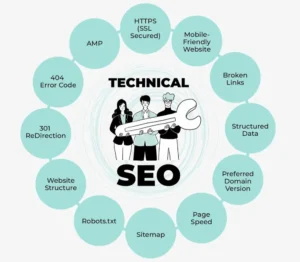
Some marketers mistakenly believe AI-generated search results reduce the importance of technical SEO. In reality, technical optimization remains the foundation that enables Google to discover, understand, and evaluate content efficiently.
Important technical factors include:
- Fast loading speed
- Mobile responsiveness
- Secure HTTPS connections
- Structured data implementation
- Clean website architecture
- XML sitemaps
- Proper internal linking
- Crawl efficiency
Google’s AI cannot recommend content it struggles to access or interpret.
Additionally, structured data helps search engines understand entities, products, reviews, organizations, FAQs, and other important information that may improve content visibility across AI-powered search features.
Technical SEO supports every other optimization effort by ensuring your content remains accessible and easy for Google’s systems to process.
Local SEO Opportunities for Canadian Businesses
Despite AI transforming search experiences, local SEO remains one of the strongest growth opportunities for Canadian businesses.
Consumers continue searching for nearby products, services, professionals, and stores. Google’s AI frequently incorporates local relevance into search responses, making accurate business information increasingly valuable.
Businesses should prioritize:
- Optimized Google Business Profile
- Consistent Name, Address, and Phone (NAP) information
- Location-specific landing pages
- Customer reviews
- Local backlinks
- Community-focused content
- Service-area optimization
Creating content tailored to Canadian audiences, provinces, cities, and local regulations also improves relevance.
Businesses that combine local optimization with high-quality educational content position themselves well for both traditional search rankings and AI-generated recommendations.
Building an SEO Strategy for the AI Era
SEO success in 2026 requires a broader, more strategic approach than simply targeting keywords.
Successful organizations now focus on building topical authority by covering subjects comprehensively instead of publishing isolated blog posts.
A strong AI-focused SEO strategy includes:
- Understanding audience intent.
- Publishing in-depth educational content.
- Updating existing articles regularly.
- Improving internal linking.
- Optimizing user experience.
- Demonstrating expertise.
- Monitoring search behavior changes.
- Measuring engagement metrics.
Instead of asking, “How do we rank for this keyword?” marketers should ask, “How can we become the best resource available for this topic?”
That mindset aligns naturally with Google’s long-term direction and provides sustainable organic growth regardless of future algorithm updates.
Pro Tip:
In the AI era, rankings alone no longer provide a complete picture of SEO performance. Monitor organic traffic quality, engagement time, conversion rates, branded searches, returning visitors, and lead generation alongside keyword positions. Pay attention to whether users find your content valuable enough to continue exploring your website after discovering it through search. A broader measurement strategy helps identify opportunities for improving user experience while demonstrating the real business impact of your SEO investment, even when search result layouts continue to evolve.
Frequently Asked Questions (FAQs)
1. What is Google AI Overview?
Google AI Overview is an AI-powered search feature that provides summarized answers directly in Google Search by combining information from multiple trusted sources. It helps users find quick, relevant information while also linking to websites for more detailed content.
2. How does Google AI Overview affect SEO in Canada?
Google AI Overview changes how users interact with search results by displaying AI-generated summaries before traditional organic listings. Canadian businesses now need to create authoritative, well-structured, and user-focused content to improve their chances of being featured in both AI Overviews and organic search results.
3. Is traditional SEO still important in 2026?
Yes. Traditional SEO remains essential in 2026. Technical SEO, keyword optimization, quality backlinks, mobile usability, and website performance continue to influence rankings. However, these practices should be combined with high-quality, comprehensive content that satisfies user intent.
4. How can businesses optimize content for Google AI Overview?
Businesses can optimize for Google AI Overview by creating original, in-depth content that answers users’ questions clearly. Using descriptive headings, logical content structure, factual information, strong E-E-A-T signals (Experience, Expertise, Authoritativeness, and Trustworthiness), and regularly updated content can improve the likelihood of being referenced by Google’s AI.
5. Does Google AI Overview reduce website traffic?
It can reduce clicks for some informational searches because users may find answers directly within the search results. However, websites that publish valuable, detailed, and trustworthy content can still attract qualified traffic, especially for commercial, local, and decision-making searches where users want more information.
6. Why is E-E-A-T more important for SEO in 2026?
E-E-A-T helps Google determine whether content is reliable and trustworthy. As AI-generated search results rely on high-quality sources, websites that demonstrate real experience, industry expertise, authority, and trustworthiness have a better chance of ranking well and being cited in AI Overviews.
7. Can local businesses in Canada benefit from Google AI Overview?
Absolutely. Local businesses can improve their visibility by maintaining an optimized Google Business Profile, earning positive customer reviews, publishing location-specific content, and ensuring their business information is accurate across all online platforms. These signals help Google provide relevant local recommendations through AI-powered search.
8. What is the future of SEO with AI-powered search?
The future of SEO is focused on creating genuinely helpful, comprehensive, and user-centric content rather than simply targeting keywords. Businesses that build topical authority, maintain strong technical SEO, and consistently publish trustworthy information will be better positioned to succeed as AI continues to reshape search.
Conclusion
Google AI Overview has fundamentally reshaped how search works across Canada in 2026. While traditional SEO principles remain valuable, success now depends on delivering comprehensive, trustworthy, and user-focused content that Google’s AI can confidently understand and reference.
Businesses that continue relying on outdated keyword-focused tactics risk losing visibility as AI-generated search experiences become increasingly sophisticated. In contrast, organizations investing in topical authority, technical excellence, E-E-A-T, and exceptional user experience are positioning themselves for long-term success.
The future of SEO is not about replacing traditional optimization with artificial intelligence—it is about adapting optimization strategies to work alongside AI-powered search.
By understanding evolving user expectations, publishing genuinely helpful content, maintaining technical best practices, and continually improving website quality, Canadian businesses can strengthen their online presence regardless of future algorithm changes.
SEO in 2026 is ultimately about earning trust. When businesses consistently provide valuable information that answers real user questions, they create lasting visibility that benefits both traditional search results and Google’s AI-driven experiences.