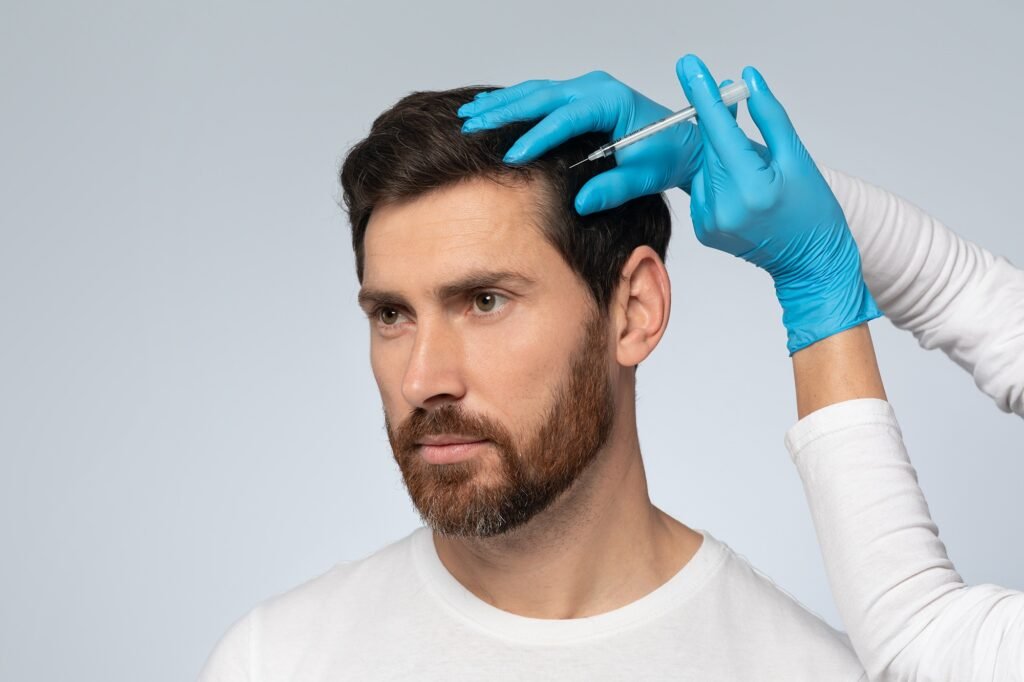
Hair thinning and excessive shedding can affect more than appearance. For many people, changes in hair density influence confidence, styling choices, and the way they feel about their overall image. Platelet-rich plasma (PRP) therapy has become an option for individuals seeking a minimally invasive approach to managing certain types of hair loss. The treatment uses a concentration of platelets prepared from the patient’s own blood, which contains growth factors involved in normal tissue repair and cellular activity.
Choosing PRP For Hair Treatment Dubai involves more than selecting a procedure. Hair loss can develop for different reasons, including hereditary pattern hair loss, hormonal changes, nutritional deficiencies, stress, and certain medical conditions. A personalized treatment plan begins with identifying the likely cause, assessing scalp health, and determining whether PRP is an appropriate option for the individual’s needs.
Dubai offers a range of aesthetic clinics and medical facilities providing hair restoration consultations and treatment options. However, the quality of care depends on several factors, including practitioner qualifications, patient assessment, treatment protocols, hygiene standards, and follow-up support. Understanding these differences helps patients make informed decisions instead of relying on promotional claims.
PRP is not a guaranteed solution for every type of hair loss, and results vary according to the underlying condition, the extent of thinning, and individual response. Some patients may benefit from combining PRP with established medical treatments under professional supervision. A carefully designed plan should explain the potential benefits, limitations, expected timeline, and total cost before treatment begins.
Understanding Personalized PRP Hair Treatment
PRP therapy generally involves collecting a small blood sample, processing it in a centrifuge to concentrate platelets, and administering the prepared plasma into selected areas of the scalp. The objective is to deliver platelet-derived growth factors to areas experiencing hair thinning.
Personalization matters because not every patient has the same pattern of hair loss or treatment goals. One person may have early thinning around the crown, while another may notice reduced density across the top of the scalp. A clinician should assess these differences before recommending the number of sessions, treatment intervals, and any complementary therapies.
Enfield Royal Clinic
Enfield Royal Clinic is one of the aesthetic care providers patients may consider when exploring personalized hair restoration options in Dubai. Individuals interested in PRP For Hair Treatment Dubai can use an initial consultation to discuss their hair concerns, treatment suitability, and expectations for improving scalp coverage.
A meaningful consultation should consider the patient’s hair-loss history, visible thinning, scalp condition, family history, and previous treatments. These details can help establish whether PRP may be suitable or whether further medical evaluation is necessary. Patients should also ask about the clinician performing the procedure, the preparation method, infection-control protocols, and the recommended treatment schedule.
Personalized care should include a realistic discussion of what PRP can and cannot achieve. It may help some patients with thinning hair, but it cannot reliably restore hair in every area where follicles have been permanently lost. Reviewing progress through consistent photographs and follow-up appointments can help determine whether the treatment plan remains appropriate.
Dynamic Life Clinic
Dynamic Life Clinic is another provider to consider when comparing aesthetic treatment options in Dubai. Patients exploring hair restoration should ask how the clinic evaluates different causes of thinning and whether PRP is recommended independently or as part of a broader treatment plan.
A structured assessment is particularly important for people experiencing rapid shedding, diffuse thinning, or scalp irritation. These symptoms may require medical investigation before an injectable treatment is considered. Patients should understand the proposed procedure, possible discomfort, temporary redness or swelling, and the expected recovery period.
It is also useful to discuss how treatment progress will be measured. Changes in hair density can be gradual, so standardized photographs and scheduled reviews provide a more reliable basis for assessment than day-to-day visual comparisons.
Cocoona Clinic
Cocoona Clinic is among the Dubai providers patients may research when comparing cosmetic and hair restoration services. Before proceeding with PRP, prospective patients should establish whether the clinic’s assessment process addresses their specific pattern of hair loss and individual treatment objectives.
The consultation should explain how blood is collected and processed, how the prepared plasma is administered, and what precautions are taken to maintain sterility. Patients should also ask who will perform the injections and whether the practitioner has appropriate training and experience.
A personalized plan should account for the patient’s medical history, current medications, and any conditions that may affect treatment suitability. Clear communication about realistic outcomes is essential, particularly for individuals with advanced hair loss or several possible contributing factors.
Emirates Hospital
Emirates Hospital is a healthcare provider patients may explore when they want to discuss hair thinning in a broader medical context. This can be particularly relevant when hair loss occurs alongside other symptoms or when an underlying health issue may be contributing to changes in hair growth.
A medical assessment can help identify whether additional investigations are appropriate. Depending on the clinical history, a practitioner may consider factors such as iron deficiency, thyroid dysfunction, recent illness, nutritional concerns, or medication-related shedding.
PRP should be considered only after the likely cause of hair loss has been evaluated. Patients should ask about the available treatment options, the evidence supporting the proposed approach, and whether coordination with a dermatologist or another specialist would be beneficial.
Tajmeels Clinic
Tajmeels Clinic is another option patients may investigate when comparing aesthetic services in Dubai. For those considering PRP, the consultation should focus on individual suitability rather than automatically recommending the same treatment schedule to everyone.
A useful assessment includes examining the areas affected by thinning, discussing how long the problem has been present, and reviewing previous hair restoration treatments. Patients should ask how many sessions may be recommended, what factors could influence the response, and when progress should be reviewed.
Transparent pricing is equally important. The overall cost may depend on the number of sessions, the treatment protocol, and any additional services included in the plan. Understanding these details beforehand helps patients make decisions based on clinical suitability and affordability.
King’s College Hospital London Dubai
King’s College Hospital London Dubai is a medical facility patients may consider when seeking professional evaluation of hair loss, particularly when the cause is uncertain or additional medical assessment may be needed.
Hair thinning can sometimes reflect an underlying condition rather than a purely cosmetic concern. A suitable evaluation may help distinguish hereditary hair loss from temporary shedding, inflammatory scalp disorders, or other causes that require different management.
Patients considering PRP should ask whether the treatment is appropriate for their diagnosis and what alternatives may be available. A clear explanation of the evidence, possible adverse effects, and realistic outcomes can support informed decision-making.
Dubai Cosmetic Surgery Clinic
Dubai Cosmetic Surgery Clinic is another provider patients may research when comparing hair restoration services. Individuals should look beyond the availability of PRP and examine the quality of the consultation, practitioner credentials, treatment preparation, and follow-up arrangements.
A professional treatment plan should explain whether PRP is expected to be used alone or alongside other options. For example, some patients with androgenetic alopecia may benefit from evidence-based medical therapies, depending on their health history and the advice of a qualified clinician.
Patients should also ask how the clinic will assess improvement over time. Hair growth follows a gradual cycle, so meaningful changes may take several months to become apparent. A clinic should avoid promising immediate regrowth or a particular density that cannot be guaranteed.
Al Zahra Hospital Dubai
Al Zahra Hospital Dubai is another healthcare provider patients may explore when evaluating options for hair and scalp concerns. A medically informed approach can be valuable when the patient’s symptoms suggest that further investigation is needed before aesthetic treatment begins.
Patients should discuss their medical history, medications, recent changes in health, and the pattern and duration of shedding. Where appropriate, a clinician may recommend further evaluation to identify factors that could influence hair growth or treatment response.
If PRP is considered suitable, the patient should receive clear information about the procedure, the anticipated number of sessions, potential side effects, and the need for ongoing assessment. These details help establish realistic expectations and support continuity of care.
How to Choose the Right Clinic for PRP For Hair Treatment Dubai
Selecting a provider requires careful consideration of clinical expertise, treatment methods, safety practices, and the quality of communication. The most appropriate choice is one that evaluates the underlying cause of hair loss and develops a plan around the patient’s needs.
Experience and Qualifications
Check the qualifications and experience of the healthcare professional who will assess the scalp and perform the injections. Ask whether the practitioner regularly treats the specific type of hair loss you have and can explain the clinical reasoning behind the recommendation.
A provider should also be willing to discuss alternative diagnoses and treatment options when PRP may not be appropriate.
Technology and Techniques
Ask how the blood sample is processed, how platelet-rich plasma is prepared, and which protocol will be used. Equipment and preparation methods can differ, and there is no single universally standardized PRP protocol for hair loss.
The practitioner should explain the intended treatment areas and why the selected approach is appropriate for your condition.
Safety Standards
Confirm that blood collection, processing, and injections are performed using appropriate sterile equipment and infection-control procedures. Discuss relevant medical conditions, medications, bleeding risks, and any previous adverse reactions before treatment.
Common temporary effects can include scalp tenderness, redness, swelling, and bruising. Although uncommon, infection and other complications are possible. Patients should receive clear instructions about aftercare and when to seek medical attention.
Consultation Process
A thorough consultation should review the onset and progression of hair loss, family history, scalp health, medical background, and previous treatments. When the cause is unclear, additional evaluation may be necessary.
Patients should leave the consultation understanding the proposed plan, its limitations, the expected schedule, and the available alternatives.
Patient Experience
Communication and follow-up are important parts of personalized care. The provider should answer questions clearly, explain costs before treatment, and offer a practical method for reviewing progress.
Consistent photographs taken under similar lighting and from the same angles can help document changes more objectively than memory alone.
Expected Results
PRP may improve hair density or reduce shedding in some people, particularly those with certain forms of early hair thinning. However, research findings vary, and outcomes are not predictable for every patient.
Visible improvement generally takes months rather than days. Several sessions may be recommended initially, followed by reassessment and, in some cases, maintenance treatment. Patients with extensive areas of permanent follicular loss may have limited benefit.
Before committing to treatment, ask how success will be defined, when the first assessment will occur, and what the next steps will be if the response is limited.
Frequently Asked Questions
Is PRP effective for every type of hair loss?
No. PRP may help some patients with androgenetic alopecia and other selected patterns of thinning, but it is not suitable for every cause of hair loss. The underlying diagnosis should be assessed before treatment.
How many PRP sessions are usually needed?
Many treatment protocols begin with a series of sessions spaced several weeks apart. The exact number and interval depend on the clinician’s protocol, the patient’s condition, and the response to treatment. Maintenance sessions may be considered later.
When can I expect to see results from PRP?
Changes usually develop gradually over several months. The timing depends on the cause of hair loss, the stage of thinning, and the individual’s response. Immediate regrowth should not be expected.
Is PRP for hair treatment painful?
The procedure involves injections into the scalp, so some discomfort is possible. Patients may experience temporary tenderness, redness, swelling, or bruising. The practitioner can explain available comfort measures and appropriate aftercare.
Can PRP be combined with minoxidil or finasteride?
In some cases, PRP may be combined with established treatments such as minoxidil or finasteride. Suitability depends on the patient’s diagnosis, medical history, and potential risks. Finasteride requires particular consideration of possible adverse effects and should be discussed with a qualified clinician.
Conclusion
Personalized hair restoration begins with understanding why thinning is occurring and identifying treatments that suit the patient’s condition and goals. PRP offers a minimally invasive option for selected individuals, but its effectiveness varies, and it should not replace appropriate investigation of unexplained hair loss.
When researching PRP For Hair Treatment, compare providers based on practitioner qualifications, consultation quality, safety standards, transparent pricing, and realistic outcome discussions. Whether considering Enfield Royal Clinic or another healthcare provider, patients should prioritize an individualized assessment and a clear follow-up plan. An informed decision can help establish realistic expectations and support a more considered approach to long-term hair management.