Access to the water can make a waterfront property more functional, convenient, and enjoyable. However, choosing the right dock system requires careful consideration of durability, maintenance, installation, and changing water conditions. Floating Aluminum Docks have become a practical option for many residential, recreational, and commercial waterfront applications because they combine a lightweight structure with dependable performance.
Unlike fixed docks that remain at a set elevation, floating systems are designed to rise and fall with changing water levels. When paired with aluminum framing, this design can provide a durable and adaptable solution for lakes, rivers, marinas, and other waterfront locations.
What Makes Floating Aluminum Docks Durable?
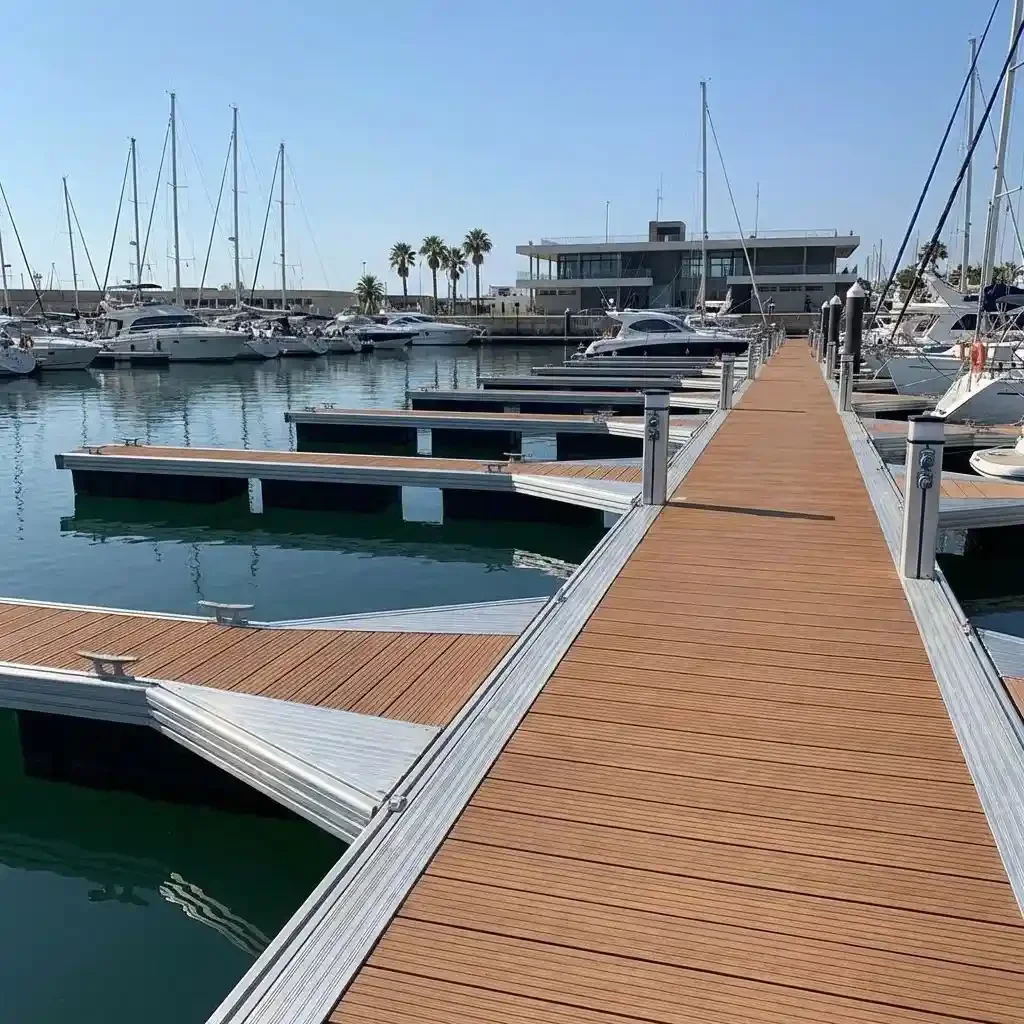
One of the primary advantages of aluminum dock construction is its resistance to many of the problems associated with traditional waterfront materials. Aluminum does not rot like wood and is not susceptible to many common issues associated with prolonged moisture exposure.
The quality and grade of aluminum used in a dock system also matter. Marine and structural applications often use aluminum alloys selected for their combination of strength, corrosion resistance, and relatively low weight. Properly engineered framing can provide the structural support needed for regular foot traffic, recreational activities, and dock accessories.
Because waterfront environments can be demanding, construction quality is just as important as the material itself. Strong connections, properly designed flotation, secure anchoring, and appropriate load capacity all contribute to a dock’s long-term performance.
Floating Design for Changing Water Levels
Water levels can change because of seasonal conditions, rainfall, drought, tides, or water-management practices. A fixed dock may become difficult to access when the water rises or falls significantly.
Floating docks address this challenge by remaining on the water’s surface and adjusting vertically as water levels change. This can help maintain a more consistent relationship between the dock and the water, making boarding and waterfront access more convenient.
The amount of movement depends on the dock’s flotation system, anchoring arrangement, water conditions, and overall design. For this reason, a floating dock should be engineered according to the specific characteristics of its installation site.
Choosing the Right Dock Size and Configuration
There is no single configuration that works for every waterfront property. Dock dimensions should reflect how the space will be used and the conditions of the site.
A smaller rectangular platform may be sufficient for basic swimming, fishing, or boat access. Larger installations can incorporate multiple sections, extensions, T-shaped layouts, or separate areas for watercraft and recreation.
The configuration can also influence the project’s overall cost. More complex layouts generally require additional connectors, flotation, hardware, and structural planning. Before selecting a design, consider the number of people who will regularly use the dock, the type of boats or watercraft involved, and the amount of equipment that needs to be accommodated.
Decking Options and Everyday Comfort
The decking material affects both the appearance and functionality of a floating dock. Aluminum frames can be paired with different decking options, depending on the desired look, maintenance requirements, traction, and budget.
Composite or WPC-style decking can provide a wood-like appearance while reducing some of the maintenance associated with traditional timber. Other decking choices may prioritize weight reduction, drainage, slip resistance, or specific aesthetic requirements.
When comparing options, look beyond appearance. Consider how the decking will perform under sunlight, moisture, foot traffic, and regular exposure to the surrounding environment.
Installation Considerations
Installation is another important part of planning a floating dock. Traditional waterfront construction can require specialized equipment, transportation, and significant on-site labor. Site accessibility, water depth, shoreline conditions, and anchoring requirements can all affect installation complexity.
Modular aluminum dock systems can simplify the process because individual sections can often be assembled and connected according to the planned configuration. Depending on the system and site conditions, some installations may be suitable for experienced property owners, while larger or more complex projects may require professional assistance.
Before installation begins, check applicable local regulations and determine whether permits, shoreline approvals, or other requirements apply to your property.
Maintenance and Long-Term Value
One of the reasons property owners consider Floating Aluminum Docks is their relatively low maintenance requirements. Aluminum framing does not require the routine staining or sealing associated with many traditional wood structures.
Routine maintenance should still include inspections. Check connections, flotation components, anchoring equipment, decking, and accessories periodically. Cleaning the dock can also help remove dirt, algae, and other buildup that may accumulate over time.
A useful way to evaluate a dock is to consider its total cost of ownership rather than focusing exclusively on its initial purchase price. Delivery, installation, accessories, maintenance, and potential repairs should all be included when planning a waterfront improvement.
Comparing Aluminum With Other Dock Materials
Wood remains a familiar choice for waterfront construction and can offer a traditional appearance. However, it generally requires more ongoing maintenance to manage moisture exposure, surface deterioration, and component replacement.
Composite materials can provide another alternative, particularly for property owners who want a specific appearance or reduced maintenance. However, the overall performance of any dock depends on the complete system, including its frame, flotation, connections, decking, and anchoring.
When comparing materials, consider the environmental conditions, expected usage, maintenance requirements, lifespan expectations, and installation needs rather than evaluating the material alone.
Planning Your Floating Dock Project
A successful dock project begins with understanding the waterfront environment. Water fluctuations, wave activity, water depth, shoreline conditions, access requirements, and local regulations can all influence the appropriate design.
It is also helpful to establish a realistic budget before choosing features. Basic access requirements may call for a simpler configuration, while larger recreational or commercial applications may require additional platforms, railings, ladders, boat connections, lighting, or other accessories.
Taking time to plan these details can help ensure that the final dock provides practical water access without unnecessary complexity.
A Practical Approach to Waterfront Access
Floating Aluminum Docks offer a combination of adaptable design, durable framing, and relatively low maintenance that can suit a wide range of waterfront applications. Their floating design allows them to respond to changing water levels, while aluminum construction can provide long-term structural performance when properly engineered and maintained.
The right dock ultimately depends on the property, water conditions, intended use, and installation requirements. By comparing materials, configurations, decking, anchoring systems, and long-term maintenance needs, property owners can make a more informed decision about their waterfront access.
Frequently Asked Questions
Are floating aluminum docks suitable for changing water levels?
Yes. Their floating design allows the dock to move vertically with changing water levels, although the appropriate flotation and anchoring system depends on site conditions.
Do aluminum floating docks require maintenance?
They require maintenance, but generally less routine upkeep than many traditional wood docks. Regular inspections, cleaning, and checks of connections and flotation components are still important.
Can floating aluminum docks be customized?
Many modular systems can be configured in different shapes and sizes, with options for decking, ladders, railings, extensions, and other accessories.
What should I consider before installing a floating dock?
Evaluate water-level changes, depth, wave conditions, shoreline access, intended use, dock size, anchoring requirements, local regulations, and the total project budget.
Where can I learn more about Floating Aluminum Docks?
Express Docks can provide additional information about dock configurations, features, and planning considerations for waterfront projects.