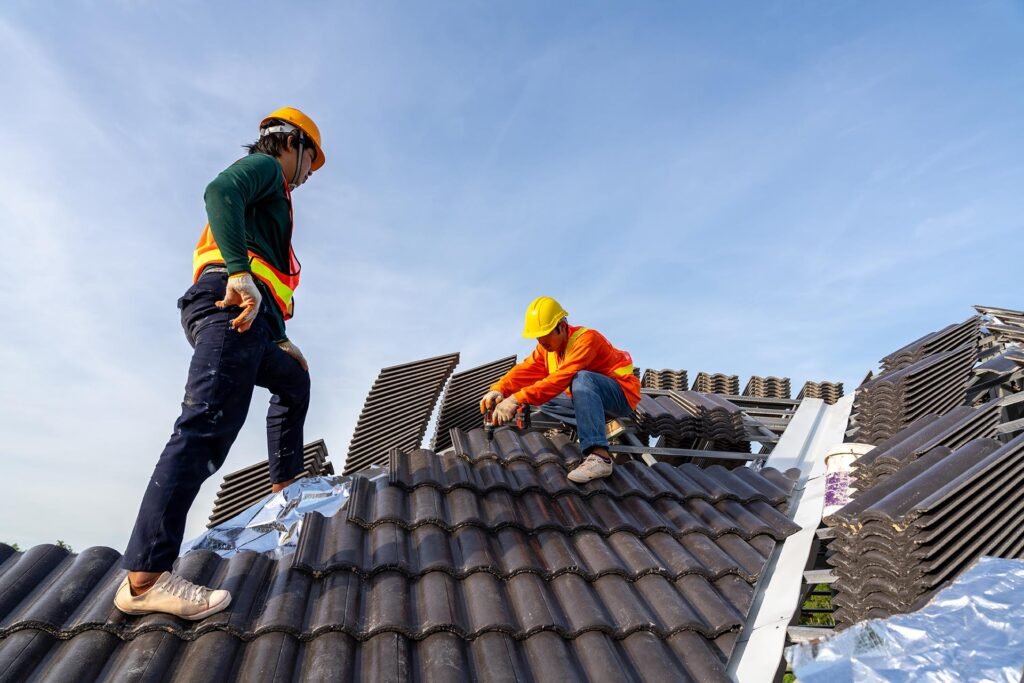
Roofing contractor austin tx
Flat commercial roofs require materials and installation methods that can handle heat, moisture, drainage demands, and regular exposure to changing weather. Choosing the right Flat Roofing Membrane can influence waterproofing, energy efficiency, maintenance needs, and the overall service life of a commercial building.
For property owners, understanding the available systems makes it easier to compare materials and plan repairs or replacement. TPO, EPDM, PVC, modified bitumen, and other low-slope solutions each have different characteristics, making professional assessment important before selecting a system.

How Flat Roofing Membrane Systems Protect Commercial Buildings
A Flat Roofing Membrane creates a continuous protective layer across a low-slope roof, helping prevent water from reaching the underlying structure. TPO, EPDM, and PVC are commonly used single-ply options, while modified bitumen and built-up systems provide layered protection for specific commercial applications.
Membrane performance also depends on seams, flashing, penetrations, drainage, and installation quality. Even a high-quality membrane can develop problems when water collects around drains or rooftop equipment, which is why the entire roofing assembly should be evaluated rather than focusing only on the surface material.
What Makes Durable Commercial Roofing Suitable for Texas Weather?
Durable Commercial Roofing needs to withstand intense sunlight, temperature changes, wind, rain, and occasional hail. Reflective membrane systems such as white TPO can help reduce heat absorption, while other systems may provide advantages in flexibility, puncture resistance, or resistance to rooftop traffic.
Durability should therefore be evaluated according to the building’s actual conditions. A warehouse with frequent equipment access may have different requirements from an office building with limited rooftop traffic. Maintenance schedules, drainage, insulation, membrane thickness, and expected service life should all be considered during planning.

How Should You Compare Commercial Roof Membrane Materials?
TPO is widely used on low-slope commercial buildings because its reflective surface and heat-welded seams suit hot climates. EPDM is a flexible rubber membrane with a long history in commercial roofing, while PVC can be useful where chemical or grease resistance is important.
Modified bitumen and built-up roofing offer multi-layer construction and can be appropriate where durability under foot traffic is important. The best choice is not necessarily the material with the longest advertised lifespan; it is the system that matches the building’s slope, use, drainage, climate exposure, and maintenance expectations.
When Should You Hire an Austin Roofing Contractor for Commercial Work?
A qualified Austin Roofing Contractor can inspect the roof assembly and identify whether repair, restoration, or complete replacement makes the most sense. Commercial projects can involve membrane seams, insulation, flashing, drainage components, rooftop equipment, and structural considerations that differ substantially from typical residential roofing.
Professional assessment is particularly useful when leaks appear repeatedly or when an older membrane shows widespread deterioration. Addressing isolated damage early can sometimes prevent more extensive water intrusion, while severely aged systems may require a more comprehensive replacement strategy.
What Services Can a Roofer Austin TX Property Owners Trust?
A Roofer Austin Tx serving commercial properties may handle installation, leak investigation, repairs, replacement, coatings, and preventive maintenance. Commercial roofing services commonly cover TPO, EPDM, modified bitumen, metal systems, and coatings depending on the building’s design and condition.
Maintenance is especially important for flat and low-slope roofs because drainage and rooftop penetrations can create recurring trouble spots. Regular inspections can identify damaged seams, blocked drainage, deteriorated flashing, punctures, and other issues before they become larger operational problems.
Why Does Preventive Maintenance Matter for Commercial Roofs?
Commercial roofing problems are not always obvious from the ground. Small membrane punctures, loose flashing, blocked drains, or deteriorating seams can gradually allow moisture into insulation and decking. Scheduled inspections provide an opportunity to identify these conditions before repairs become more complicated.
A maintenance plan can also help property owners track the condition of their roofing system over time. Keeping inspection records, documenting repairs, and monitoring drainage areas makes it easier to determine when restoration is practical and when replacement should be considered.
What Should You Expect From a Hutto Roofing Company for Roofing?
A Hutto Roofing Company may provide residential and commercial services ranging from inspections and repairs to full roof replacement. For commercial properties, local providers commonly work with flat and low-slope systems such as TPO, EPDM, metal, and coating systems.
Local knowledge can also help when roofing systems are exposed to Central Texas heat, storms, and changing weather conditions. However, property owners should still evaluate experience with the specific roofing system, project scope, warranties, safety practices, and maintenance capabilities before selecting a contractor.
How Can a Hutto Roofing Contractor Improve Roof Longevity?
A Hutto Roofing Contractor can support roof longevity through proper installation, timely repairs, inspections, and maintenance. Commercial systems require attention to membrane seams, penetrations, drainage, flashing, and rooftop equipment because these areas can experience more stress than the open roof surface.
For an aging roof, restoration may sometimes be an alternative to immediate replacement when the underlying assembly remains suitable. Coatings can extend the service life of certain existing roofs, but the substrate and drainage conditions should be evaluated first to determine whether coating is an appropriate solution.
How Can Businesses Plan Their Next Commercial Roof Project?
Commercial roofing projects should begin with an assessment of the existing roof rather than a material decision made in isolation. Building use, roof slope, drainage, insulation, rooftop equipment, expected traffic, energy considerations, and the condition of the existing assembly all affect the final recommendation.
Businesses should also consider how construction will affect daily operations. Phased work, planned access routes, material staging, and clear communication can reduce disruption while roofing work is underway. Commercial roofing providers commonly schedule projects around operating requirements where practical.
FAQs
1. What is the most common membrane for commercial flat roofs?
TPO is a widely used option for commercial flat and low-slope roofs, particularly in hot climates. Its reflective surface and heat-welded seams are among the features that make it popular for commercial applications.
2. How long can a commercial membrane roof last?
Service life depends on the membrane, installation quality, weather exposure, maintenance, drainage, and building conditions. Some commercial membrane systems can provide several decades of service when properly installed and maintained.
3. When should a commercial roof be repaired instead of replaced?
Repair may be appropriate when damage is localized and the overall roofing assembly remains in good condition. Widespread deterioration, recurring leaks, extensive membrane failure, or an aging system may indicate that replacement or restoration deserves consideration.
Conclusion
Selecting the right commercial roofing system requires more than choosing a material based on price or expected lifespan. Flat and low-slope buildings have specific drainage, membrane, flashing, insulation, and maintenance requirements that should be considered together.
Whether a property needs membrane repairs, preventive maintenance, restoration, or replacement, a careful assessment can help businesses make a practical long-term decision. Proper installation and ongoing maintenance remain essential to getting dependable performance from a commercial roof.