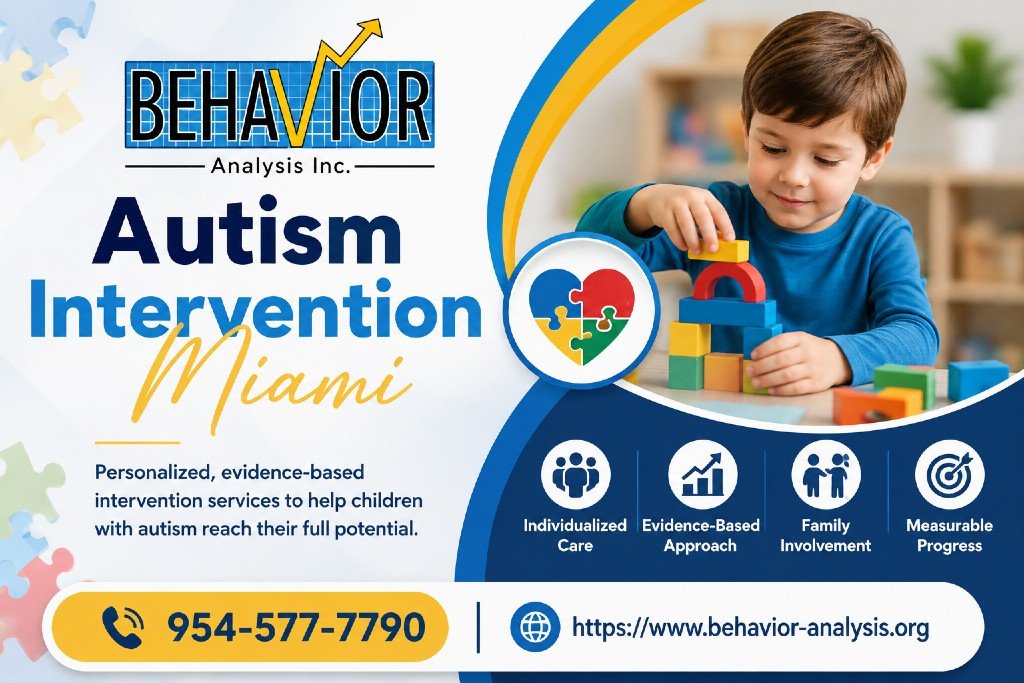
Finding the right Autism Intervention Miami services is one of the most important decisions parents can make after an autism diagnosis. Every child with autism spectrum disorder (ASD) has unique strengths, challenges, and learning styles, making individualized support essential. With many providers offering different therapies and programs, understanding what defines quality intervention can help families make informed choices that support their child’s long-term development.
This guide explains what to look for in autism intervention services, the benefits of early support, and how to identify programs that meet your child’s individual needs.
What Is Autism Intervention?

Autism Intervention Miami includes a variety of evidence-based services designed to help children develop important communication, behavioral, social, and daily living skills. Intervention programs are personalized to address each child’s developmental goals while encouraging greater independence and confidence.
Depending on a child’s needs, intervention may include:
- Applied Behavior Analysis (ABA)
- Speech and language therapy
- Occupational therapy
- Social skills development
- Parent education and coaching
Many children benefit from combining multiple therapies to create a comprehensive treatment plan.
Why Early Intervention Is Important
Early intervention provides children with opportunities to build foundational skills during critical stages of development. Although children can benefit from services at various ages, beginning intervention early often supports improved learning and skill development.
Some potential benefits include:
- Stronger communication abilities
- Improved social interactions
- Better emotional regulation
- Increased independence in everyday activities
- Reduced challenging behaviors
- Greater school readiness
Every child progresses differently, but consistent, individualized intervention can help children achieve meaningful developmental milestones.
Qualities of High-Quality Autism Intervention Miami Services
Choosing a provider involves more than comparing locations or schedules. Families should evaluate several important characteristics when exploring Autism Intervention Miami options.
Individualized Treatment Plans
No two children with autism are exactly alike. Quality providers begin with comprehensive assessments to understand each child’s strengths, developmental level, and challenges before creating personalized treatment goals.
Therapy should evolve as the child develops, with goals adjusted based on ongoing progress.
Evidence-Based Practices
Look for providers that use interventions supported by scientific research. Evidence-based approaches focus on measurable outcomes and continuous assessment to ensure therapy remains effective.
Programs that collect data and monitor progress can make informed adjustments throughout treatment.
Experienced Professionals
Qualified professionals play an essential role in successful intervention. Families should ask about therapist qualifications, certifications, supervision, and continuing education to better understand the provider’s expertise.
A knowledgeable team can adapt strategies to meet changing developmental needs.
Family Collaboration
Parents and caregivers are valuable members of the intervention team. High-quality providers encourage family involvement by offering guidance, regular updates, and practical strategies that can be used at home.
When families reinforce therapy techniques in everyday routines, children often have more opportunities to practice and generalize new skills.
Different Types of Autism Intervention Services
Families searching for Autism Intervention Miami may encounter several types of programs. Understanding these options helps parents determine which services best match their child’s needs.
Applied Behavior Analysis (ABA)
ABA focuses on teaching meaningful skills while reducing behaviors that interfere with learning. Programs are individualized and use positive reinforcement to encourage desired behaviors.
Speech and Language Therapy
Speech therapy supports communication development, including verbal language, social communication, and alternative communication methods when appropriate.
Occupational Therapy
Occupational therapists help children improve fine motor skills, sensory processing, self-care abilities, and participation in everyday activities.
Social Skills Programs
These programs teach children how to interact with peers, understand social cues, build friendships, and participate in group settings.
Parent Training
Many providers offer parent coaching to help families reinforce learning at home and create consistent routines that support ongoing development.
Questions to Ask Before Choosing a Provider
Meeting with several providers allows families to compare services before making a decision.
Helpful questions include:
- How is each treatment plan developed?
- What assessment tools are used?
- How often is progress reviewed?
- How are therapy goals updated?
- What qualifications do your therapists have?
- How are parents involved throughout treatment?
- Do you offer center-based, home-based, or community services?
Asking thoughtful questions helps families better understand each provider’s philosophy and approach.
Signs You’ve Found the Right Provider
While every family’s priorities differ, quality autism intervention programs often share common characteristics.
Look for providers that offer:
- Thorough initial evaluations
- Personalized therapy plans
- Clear communication with families
- Regular progress reports
- Flexible treatment adjustments
- Respectful, child-centered care
- Collaboration with schools and healthcare professionals
Feeling comfortable with the therapy team is also an important part of building a successful partnership.
Supporting Your Child Outside of Therapy
Progress doesn’t happen only during scheduled therapy sessions. Parents play a significant role in helping children practice new skills throughout daily life.
Simple ways to support learning include:
- Following therapist recommendations at home
- Creating predictable daily routines
- Encouraging communication during everyday activities
- Celebrating progress and achievements
- Practicing social interactions during play
- Maintaining consistent expectations across environments
When children experience consistency at home, school, and therapy, they often become more confident applying their new skills.
Making the Best Decision for Your Family
Selecting Autism Intervention Miami services takes careful research and thoughtful consideration. Every child has unique goals, so choosing a provider that values individualized care, evidence-based practices, and family collaboration can make a meaningful difference.
Take time to visit programs, ask questions, observe therapy environments, and discuss treatment philosophies before making your decision. Finding the right fit can provide your child with supportive opportunities to learn, grow, and build greater independence over time.
Quality intervention is not simply about the number of therapy hours—it is about creating a personalized plan that helps children reach their fullest potential while supporting families throughout the journey.
Frequently Asked Questions
What is Autism Intervention Miami?
Autism Intervention Miami refers to individualized therapy services that help children with autism improve communication, social, behavioral, and daily living skills using evidence-based approaches.
When should autism intervention begin?
Early intervention is often recommended as soon as developmental concerns or an autism diagnosis are identified. However, children of all ages can benefit from personalized support.
How do I know if a provider offers quality services?
Look for providers that offer individualized treatment plans, qualified professionals, evidence-based therapies, ongoing progress monitoring, and active family involvement.
What therapies are commonly included in autism intervention?
Services may include ABA therapy, speech therapy, occupational therapy, social skills training, and parent education depending on the child’s needs.
How involved should parents be in therapy?
Parent participation is highly encouraged. Practicing strategies at home helps children apply new skills in everyday situations and supports long-term progress.