In the digital age, reliable and high-speed communication is essential for businesses, governments, and individuals. From cloud computing and video streaming to online transactions and remote work, everything depends on strong network systems. This growing demand has made fiber optic cable infrastructure a critical foundation for modern communication networks.
The development of fiber optic cable infrastructure has transformed how data is transmitted across cities, countries, and continents. By using light signals instead of electrical impulses, fiber networks deliver faster speeds, greater bandwidth, and improved reliability compared to traditional copper-based systems.
What Is Fiber Optic Cable Infrastructure?
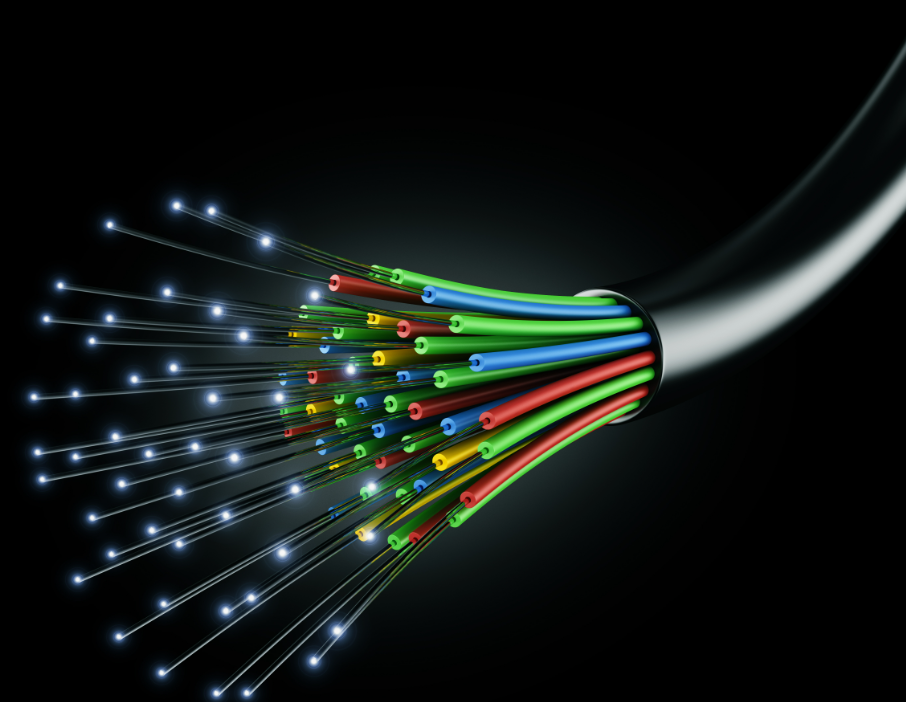
Fiber optic cable infrastructure refers to the complete network of fiber optic cables, connectors, distribution systems, and supporting equipment used to transmit data using light signals.
This infrastructure includes:
- Backbone fiber networks
- Distribution cables
- Trunk lines
- Patch panels
- Network switches and nodes
Together, these components create a high-speed communication system that connects users, devices, and data centers across large distances.
Why Fiber Optic Infrastructure Matters
Modern digital systems generate massive amounts of data every second. Traditional communication networks struggle to handle this level of demand, leading to slow performance and connectivity issues.
Fiber optic infrastructure solves these challenges by providing:
- Faster data transmission
- Higher bandwidth capacity
- Lower latency
- Greater network reliability
- Long-distance communication efficiency
This makes it essential for supporting modern technologies such as cloud computing, artificial intelligence, IoT, and 5G networks.
Key Components of Fiber Optic Cable Infrastructure
Backbone Networks
The backbone is the core of fiber optic infrastructure. It connects major data centers, cities, and regions, enabling long-distance high-speed communication.
Distribution Networks
Distribution systems branch out from the backbone to deliver connectivity to businesses, homes, and institutions.
Access Networks
Access networks connect end users to the main fiber system, ensuring internet and communication services are available at the local level.
Data Centers
Data centers store and process large volumes of data. They rely heavily on fiber optic infrastructure for fast internal and external communication.
Network Hardware
Devices such as routers, switches, and optical transceivers play a crucial role in managing and directing data flow across the fiber network.
Benefits of Fiber Optic Cable Infrastructure
High-Speed Data Transmission
Fiber optic networks can transmit data at extremely high speeds, making them ideal for real-time applications such as video conferencing, online gaming, and cloud services.
Increased Bandwidth
One of the biggest advantages of fiber infrastructure is its ability to handle large amounts of data simultaneously without performance issues.
This supports multiple users and devices within a single network environment.
Enhanced Reliability
Fiber optic cables are less affected by environmental interference such as electromagnetic noise, weather conditions, and signal degradation.
This ensures stable and consistent network performance.
Lower Latency
Latency refers to delays in data transmission. Fiber optic infrastructure significantly reduces latency, improving responsiveness in communication and applications.
Long-Distance Communication
Fiber networks can transmit data over long distances with minimal loss of signal quality, making them ideal for national and global communication systems.
Applications of Fiber Optic Cable Infrastructure
Telecommunications
Telecommunication providers use fiber infrastructure to deliver internet, voice, and video services to millions of users.
Internet Service Providers (ISPs)
ISPs rely on fiber networks to provide high-speed broadband connections to residential and commercial customers.
Enterprise Networks
Businesses use fiber optic infrastructure to connect offices, support cloud services, and ensure secure data transfer.
Healthcare
Hospitals and healthcare systems depend on fiber networks for telemedicine, medical imaging, and patient data management.
Education
Schools and universities use fiber infrastructure to support digital learning platforms, research systems, and campus-wide connectivity.
Government and Public Services
Governments use fiber optic networks to support communication systems, public safety operations, and smart city projects.
Challenges in Fiber Optic Cable Infrastructure
High Initial Cost
Installing fiber optic infrastructure requires significant investment in materials, labor, and equipment.
Complex Deployment
Laying fiber cables across long distances or urban environments can be technically challenging and time-consuming.
Maintenance Requirements
Although fiber is highly reliable, damaged cables or connectors require specialized tools and expertise to repair.
Environmental Factors
Construction activities, natural disasters, and physical damage can impact fiber infrastructure performance.
Future of Fiber Optic Infrastructure
The future of communication networks depends heavily on fiber optic technology. As global data usage continues to rise, fiber infrastructure will play a key role in supporting emerging technologies such as:
- 5G and 6G networks
- Artificial intelligence systems
- Smart cities
- Autonomous vehicles
- Internet of Things (IoT)
Ongoing advancements are also making fiber installation more efficient, cost-effective, and scalable for widespread adoption.
Best Practices for Fiber Optic Infrastructure Deployment
Strategic Planning
Proper planning ensures efficient network design and supports long-term scalability.
Quality Installation
Professional installation helps prevent signal loss and ensures optimal performance.
Regular Maintenance
Routine inspections and testing help maintain network reliability and detect potential issues early.
Scalability Focus
Designing infrastructure with future growth in mind ensures that networks can handle increasing data demands.
Conclusion
Fiber optic cable infrastructure is the foundation of modern digital communication systems. It provides the speed, reliability, and scalability needed to support today’s data-driven world.
As technology continues to evolve, investing in strong fiber optic cable infrastructure will remain essential for organizations and nations aiming to build fast, secure, and future-ready communication networks.