Fan Cooling Accessories & Solution
Modern industrial and electronic equipment generates heat during operation. Without proper cooling, excess heat can affect performance, reduce equipment lifespan, and increase the risk of unexpected failures. This is why Fan Cooling Accessories & Solutions have become an important part of thermal management systems across a wide range of industries.
From electrical enclosures and control cabinets to data centers and manufacturing facilities, fan cooling accessories help improve airflow, maintain safe operating temperatures, and support reliable equipment performance. By selecting the right cooling components, businesses can protect valuable assets while improving overall system efficiency.
Why Thermal Management Matters
Heat is one of the biggest threats to electronic and electrical equipment. Components operating at elevated temperatures often experience reduced efficiency and accelerated wear. In extreme cases, overheating can lead to equipment shutdowns, costly repairs, or permanent damage.
Effective cooling solutions help maintain stable temperatures, allowing equipment to operate safely and consistently. Proper thermal management not only protects equipment but also contributes to energy efficiency and long-term reliability.
Understanding Fan Cooling Accessories
Fan cooling accessories are supplementary components that enhance the performance, safety, and functionality of cooling fan systems. While cooling fans are responsible for moving air, accessories help optimize airflow, simplify installation, improve protection, and support maintenance.
These accessories work together to create a complete cooling solution that addresses the specific requirements of industrial and commercial environments.
Common Fan Cooling Accessories
Fan Guards
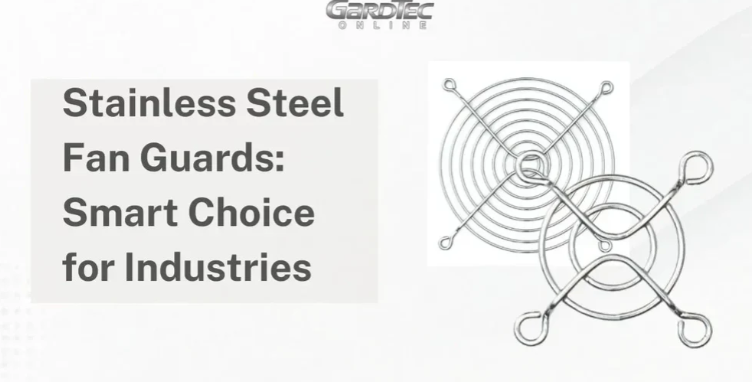
Fan guards provide a protective barrier between rotating fan blades and surrounding personnel or equipment. They help improve workplace safety while preventing accidental contact with moving parts.
Fan guards are commonly used in electrical cabinets, machinery enclosures, and industrial ventilation systems where safety standards must be maintained.
Fan Filters
Dust, dirt, and airborne contaminants can significantly reduce cooling efficiency over time. Fan filters help prevent particles from entering sensitive equipment while maintaining adequate airflow.
Regular use of fan filters contributes to cleaner operating conditions and helps reduce maintenance requirements.
Fan Power Cords
Reliable power delivery is essential for cooling system performance. Fan power cords provide secure electrical connections between cooling fans and power sources.
Available in multiple lengths and configurations, power cords help simplify installation and support flexible equipment layouts.
Finger Guards
Finger guards are designed to enhance user safety by preventing accidental contact with fan blades. They are especially useful in areas where equipment may be frequently accessed for maintenance or inspection.
Thermostats and Temperature Controllers
Automated cooling systems often include thermostats or temperature controllers that activate fans when temperatures exceed preset limits.
These devices help improve energy efficiency by operating cooling equipment only when necessary.
Benefits of Fan Cooling Solutions
Improved Equipment Reliability
Consistent cooling helps reduce thermal stress on sensitive components. By maintaining safe operating temperatures, fan cooling solutions support long-term equipment reliability and performance.
Enhanced Energy Efficiency
Modern cooling accessories help optimize airflow and reduce unnecessary energy consumption. Automated controls further improve efficiency by adjusting cooling based on actual temperature conditions.
Reduced Maintenance Costs
Dust buildup and overheating can lead to frequent maintenance and repairs. Fan filters, guards, and proper airflow management help minimize these issues and reduce operating expenses.
Increased Equipment Lifespan
Temperature control plays a critical role in extending the life of electronic and electrical components. Effective cooling solutions help prevent premature wear and improve asset longevity.
Better Operational Safety
Protective accessories such as fan guards and finger guards contribute to safer working environments while helping facilities comply with safety requirements.
Applications of Fan Cooling Accessories
Electrical Control Panels
Control panels house sensitive electrical components that generate heat during operation. Cooling fans and accessories help regulate internal temperatures and protect critical systems.
Industrial Automation Systems
Automation equipment often operates continuously, generating substantial heat. Effective cooling solutions help maintain stable performance and reduce the risk of system failures.
Telecommunications Equipment
Telecommunication systems require reliable cooling to ensure uninterrupted operation. Fan cooling accessories help maintain proper airflow within network enclosures and communication cabinets.
Data Centers
Servers and networking equipment produce significant amounts of heat. Cooling solutions are essential for protecting equipment and maintaining operational efficiency in data center environments.
Manufacturing Facilities
Industrial machinery often operates under demanding conditions. Cooling accessories help support consistent performance and protect sensitive electronics from excessive heat exposure.
Choosing the Right Fan Cooling Accessories
Selecting suitable cooling accessories depends on several factors, including equipment size, environmental conditions, airflow requirements, and installation constraints.
When evaluating cooling solutions, consider:
- Airflow requirements
- Operating temperature ranges
- Dust and contamination levels
- Equipment enclosure size
- Safety requirements
- Maintenance accessibility
- Power connection needs
A well-designed cooling system combines multiple accessories to achieve optimal performance and reliability.
Best Practices for Cooling System Maintenance
Even the best cooling solutions require regular maintenance to perform effectively.
Cleaning filters, inspecting fan blades, checking power connections, and monitoring airflow can help identify issues before they become major problems. Routine maintenance also helps maximize equipment lifespan and maintain cooling efficiency.
Organizations should establish preventive maintenance schedules to ensure cooling systems continue operating at peak performance.