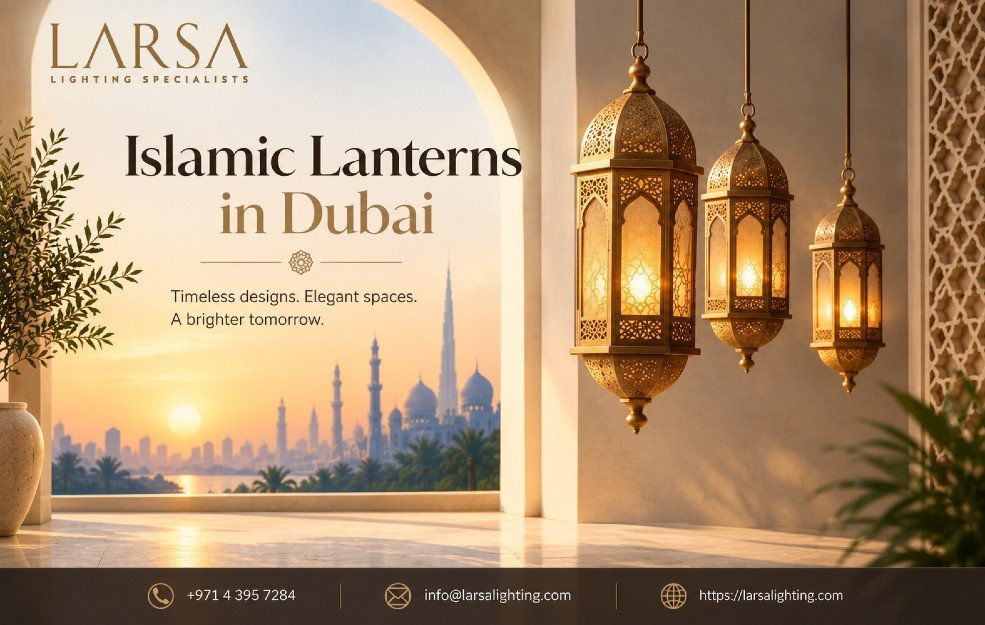
Modern interior design often combines clean architectural lines with decorative elements that add warmth, character, and cultural depth. Islamic lanterns offer an effective way to achieve this balance. With intricate geometric patterns, distinctive metal finishes, and atmospheric illumination, these fixtures can complement contemporary homes, hospitality interiors, courtyards, and commercial spaces.
Exploring Islamic Lanterns in Dubai reveals how traditional craftsmanship can work alongside modern lighting technology. From a statement pendant in a double-height entrance to subtle wall lanterns in a private courtyard, the right selection can enhance both the appearance and functionality of a space.
Why Islamic Lanterns Suit Modern Interiors
Islamic lanterns draw inspiration from geometric motifs, pierced metalwork, decorative glass, and carefully proportioned forms. Although these features have historical roots, they can integrate naturally into modern architectural settings.
In minimalist interiors, an ornate lantern can provide a focal point against neutral walls and understated furniture. In more decorative spaces, a simpler geometric design can introduce cultural character without competing with existing details.
Their appeal also comes from the way they distribute light. Perforated metal shades create patterned shadows, adding visual movement to ceilings and walls. Depending on the design, these effects can make an entrance feel welcoming, a majlis more intimate, or a restaurant more atmospheric.
However, decorative lighting should be considered part of the overall lighting plan rather than an accessory added at the final stage. The lantern’s scale, light output, mounting position, and surrounding illumination all influence the finished result.
Choosing Islamic Lanterns for Different Spaces
The most suitable lantern depends on the space’s proportions, activities, and architectural character. Considering each application separately helps maintain a consistent design while meeting practical lighting needs.
1. Living Rooms and Majlis Areas
Living rooms and majlis settings benefit from lighting that creates a comfortable atmosphere for conversations and gatherings. A central pendant lantern can establish a focal point, while wall-mounted fixtures provide additional decorative illumination.
Warm white light between approximately 2700K and 3000K often complements timber, natural stone, brass, and richly textured fabrics. Dimming controls offer further flexibility, allowing the room to transition from everyday use to evening entertaining.
For modern interiors, consider lanterns with restrained geometric patterns or bronze and brushed-brass finishes. Ensure that the fixture remains proportionate to the seating arrangement and ceiling height.
2. Entrances and Hallways
An entrance introduces the architectural character of a property. A carefully positioned Islamic lantern can create a welcoming first impression while helping visitors identify the doorway and move safely through the space.
Wall lanterns should be visible from the approach without overwhelming architectural details. In larger entrances, a suspended fixture may provide a stronger visual statement, particularly when paired with concealed lighting that reveals wall textures.
Hallways require particular attention to brightness and glare. Decorative shadows can add interest, but the primary lighting system must still provide comfortable visibility along the circulation route.
3. Courtyards and Outdoor Areas
Courtyards, terraces, and garden seating areas provide opportunities to use lanterns as part of the architectural composition. Repeating wall-mounted fixtures along an arcade can establish rhythm, while pendant lanterns can define a covered seating area.
Dubai’s outdoor conditions make technical specifications especially important. Heat, dust, humidity, and coastal air can affect materials and electrical components. Select fixtures with suitable weather protection, corrosion-resistant finishes, sealed connections, and an appropriate ingress protection (IP) rating.
Outdoor lanterns should also work with pathway and landscape lighting. This creates a layered arrangement that highlights architectural features while preserving safe movement after dark.
4. Hotels, Restaurants, and Reception Areas
Hospitality spaces often use Islamic lanterns to establish identity and create memorable first impressions. A large lantern can anchor a reception area, while coordinated groups of pendants can introduce depth above a lounge or dining space.
The arrangement should relate to the ceiling height, furniture layout, and viewing angles. Varying pendant heights can create visual interest, but the composition should remain balanced and allow access for maintenance.
Because decorative lanterns may not provide sufficient general illumination, combine them with suitable downlights, track lighting, wall washers, or concealed linear fixtures. This approach maintains functional brightness without diminishing the lanterns’ decorative effect.
Materials, Finishes, and Light Effects
Material selection affects a lantern’s appearance, durability, and maintenance requirements. Brass offers warmth and a traditional character, while bronze and dark nickel can complement contemporary interiors. Matte black creates a sharper contrast against pale walls, and brushed metal finishes work well with modern fittings and furniture.
Glass also influences the quality of light. Clear glass can provide greater light transmission but may expose the lamp and cause glare if the source is not shielded. Frosted or opal glass produces a softer appearance, while colored glass introduces distinctive decorative effects.
Pattern density deserves equal consideration. Intricate cutouts create striking shadows but may reduce the amount of light reaching the surrounding area. For spaces requiring reliable visibility, choose a lantern with suitable light transmission and supplement it with functional lighting where necessary.
Reviewing a sample or mock-up before final selection can help designers assess the pattern, brightness, and finish under actual project conditions.
Combining Traditional Design with Modern Technology
Contemporary Islamic Lanterns in Dubai can incorporate LED technology, dimming systems, and carefully controlled light distribution. These features make it possible to retain traditional visual details while supporting modern expectations for efficiency and comfort.
When selecting a fixture, examine its LED quality, color consistency, driver performance, thermal management, and replacement access. Integrated LED lanterns can provide a streamlined appearance, whereas replaceable-lamp designs may simplify future maintenance.
Dimming compatibility should be confirmed before installation. The driver, dimmer, and control system must work together to avoid flickering, audible noise, or uneven changes in brightness.
Maintenance is equally important. Detailed metalwork can collect dust, particularly in semi-open spaces. Choose durable finishes and ensure suspended fixtures can be cleaned and serviced safely. These considerations help preserve both appearance and performance over time.
Creating a Cohesive Modern Lighting Scheme
The strongest lighting designs connect decorative fixtures with the wider architectural language. A lantern’s geometric pattern might complement a partition screen, wall panel, or flooring detail, while its finish can relate to door hardware and furniture accents.
Balance is essential. A contemporary interior with clean lines may need only one expressive lantern to establish character. In a more ornate room, simpler fixtures can prevent visual clutter. Repeating every decorative motif throughout a space can make the design feel overly themed, so selective coordination often produces a more refined result.
At Larsa Lighting, lighting selection can be approached as part of a coordinated design process, considering aesthetics alongside scale, light levels, installation conditions, controls, and maintenance. This broader perspective helps ensure that decorative fixtures support the needs of the people using the space.
Conclusion
Islamic lanterns demonstrate how traditional design can contribute to modern interiors without compromising practicality. By considering the intended space, material finishes, light distribution, fixture proportions, and technical requirements, property owners and designers can create balanced and inviting environments.
Whether used in a majlis, contemporary entrance, landscaped courtyard, or hospitality setting, Islamic Lanterns in Dubai can bring cultural character and distinctive illumination to modern spaces when selected as part of a thoughtful lighting scheme.