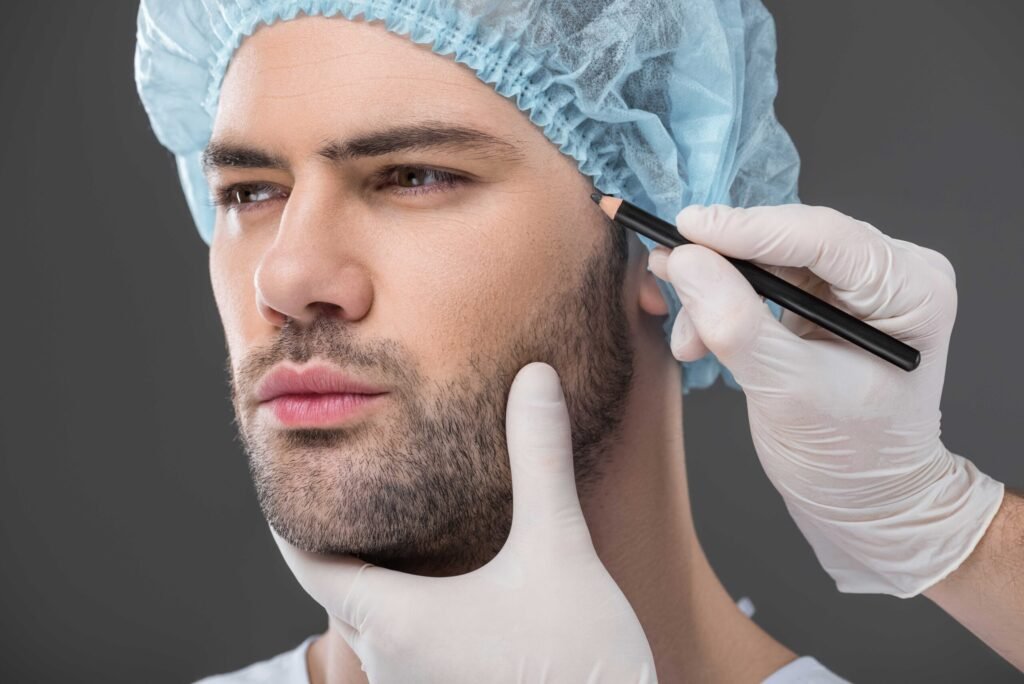
A well-defined beard can significantly influence facial proportions, symmetry, and overall appearance. However, genetics, hormonal factors, previous scarring, certain medical conditions, or naturally uneven growth can result in sparse areas, patchiness, or limited beard density. For individuals seeking a more permanent approach to improving facial hair coverage, transplantation can provide an option based on the strategic redistribution of existing hair follicles.
A beard transplant involves harvesting healthy follicular units, commonly from a suitable donor area, and carefully placing them into areas where additional facial hair is desired. The objective is not simply to increase density but to create a beard pattern that complements the individual’s facial structure while maintaining a natural appearance.
Dubai has become an important destination for aesthetic and hair-restoration procedures, with clinics offering different approaches to follicular extraction and implantation. When researching Beard Hair Transplant in Dubai, prospective patients should look beyond promotional claims and consider medical expertise, consultation quality, surgical planning, hygiene standards, technology, and long-term follow-up.
The success of a facial hair restoration procedure depends heavily on individualized planning. Beard direction, follicle angle, hair characteristics, donor availability, and the desired shape all need to be assessed before treatment. A qualified medical team can help determine whether transplantation is appropriate and develop a realistic treatment strategy based on the patient’s individual characteristics.
Enfield Royal Clinic
Enfield Royal Clinic can be considered by individuals exploring facial hair restoration in Dubai. A consultation-focused approach is particularly important for beard transplantation because facial hair requires careful attention to follicle direction, angulation, density, and the natural transition between different beard regions.
During the assessment process, patients can discuss their preferred beard shape, areas of limited growth, donor-hair availability, and expectations. For those considering Beard Hair Transplant in Dubai, individualized planning can help establish whether transplantation is suitable and how follicular units may be distributed to achieve balanced facial coverage.
Cocoona Clinic
Cocoona Clinic is another Dubai-based option for individuals researching aesthetic and hair-restoration procedures. Beard transplantation requires more than simply filling visible gaps. The surgeon must consider how transplanted follicles will align with existing facial hair and how the beard may develop as the follicles grow.
A detailed consultation can help patients understand the treatment approach, potential limitations, recovery considerations, and factors that may influence the final appearance.
Al Zahra Hospital Dubai
Al Zahra Hospital Dubai provides a broader hospital-based healthcare environment where patients can explore various specialist and surgical services. For anyone considering facial hair restoration, an important consideration is whether the proposed treatment is appropriate for the individual’s overall circumstances.
Patients should discuss their medical history, previous procedures, medications, skin conditions, and expectations during consultation. These factors can influence treatment planning and help establish an appropriate approach to follicular transplantation.
Dynamic Life Clinic
Dynamic Life Clinic is among the Dubai clinics that prospective patients may research when considering aesthetic treatments. Beard restoration requires precision because even small variations in follicle angle can influence the direction and appearance of the growing hair.
A comprehensive evaluation should examine areas such as the beard line, moustache connection, cheek coverage, chin density, and donor region. Understanding these details before treatment can contribute to a more personalized restoration plan.
King’s College Hospital London Dubai
King’s College Hospital London Dubai offers a hospital setting where patients can access a range of medical services. When evaluating a facility for facial hair restoration, patients should consider the qualifications of the professionals performing the procedure and the standards surrounding patient assessment, treatment, and follow-up.
For beard transplantation, appropriate patient selection is particularly important. Not every individual will have the same donor capacity or achieve the same degree of coverage, making realistic expectations an essential part of the consultation process.
Tajmeels Clinic
Tajmeels Clinic is another option patients may investigate when comparing aesthetic and hair-restoration services in Dubai. A well-planned beard transplant should account for the patient’s natural facial characteristics rather than applying a standard beard pattern.
Factors such as hair texture, existing facial hair, skin characteristics, donor supply, and the desired beard outline can all influence the treatment strategy. Patients should therefore seek a consultation that allows sufficient time to discuss these factors before making a decision.
Emirates Hospital
Emirates Hospital provides a medical environment where patients can explore specialist healthcare services alongside their aesthetic goals. Anyone considering facial hair transplantation should prioritize medical assessment and procedural safety rather than selecting a provider solely on the basis of appearance-focused marketing.
A thorough consultation should address the suitability of transplantation, possible risks, expected recovery, donor-site considerations, and the anticipated timeline for visible hair growth.
Dubai Cosmetic Surgery Clinic
Dubai Cosmetic Surgery Clinic is another facility that patients may consider when researching cosmetic and hair-restoration options. Beard transplantation requires detailed aesthetic planning because the outcome should integrate naturally with the patient’s facial proportions.
The consultation should cover the intended beard design, follicular extraction and implantation approach, expected density, recovery requirements, and realistic outcome expectations. Patients should also understand that transplanted hair generally requires time to progress through the normal growth cycle.
How to Choose the Right Clinic for Beard Hair Transplant in Dubai
Choosing a clinic for facial hair restoration should involve more than comparing photographs or promotional material. Patients should evaluate several practical and clinical considerations before proceeding.
Experience and Qualifications
The qualifications and experience of the medical professional performing the procedure are fundamental. Patients should understand who will conduct the extraction, preparation, and implantation stages and whether the practitioner has appropriate experience with facial hair restoration.
Technology and Techniques
Different transplantation techniques may be suitable for different patients. The clinic should explain why a particular extraction or implantation method is being recommended rather than presenting technology as a guarantee of superior results.
Safety Standards
A reputable facility should maintain appropriate infection-control procedures, sterile equipment, trained clinical personnel, and suitable protocols for managing potential complications.
Consultation Process
A meaningful consultation should involve an assessment of the donor area, existing beard pattern, facial proportions, medical history, and expectations. Patients should have an opportunity to ask questions and understand the proposed treatment plan before committing.
Patient Experience
Clear communication before and after treatment can make the overall experience easier to manage. Patients should receive understandable information about preparation, aftercare, recovery, and follow-up appointments.
Expected Results
Beard transplantation does not produce identical outcomes for every patient. Donor-hair availability, follicle characteristics, skin type, healing response, and adherence to aftercare instructions can all influence the final result. Clinics should therefore discuss realistic expectations rather than promise a particular appearance.
Frequently Asked Questions
Is beard transplantation suitable for everyone?
Not necessarily. Suitability depends on factors such as donor-hair availability, the cause of limited beard growth, overall health, skin condition, and individual expectations. A professional assessment is necessary before treatment.
Where is donor hair usually taken from?
Donor follicles are commonly obtained from areas with suitable hair characteristics, often the scalp. The appropriate donor area depends on the individual’s hair density, follicle characteristics, and treatment requirements.
Does a beard transplant look natural?
A natural appearance depends heavily on correct follicle placement, including direction, angle, spacing, and distribution. Careful planning is especially important around the moustache, cheek, jawline, and chin.
How long does transplanted beard hair take to grow?
Growth occurs gradually rather than immediately. Transplanted follicles go through normal hair-growth cycles, and visible development can take several months. The final maturation of the result may require additional time.
What should I discuss during my consultation?
Patients should ask about the proposed technique, donor area, expected density, beard design, recovery, possible complications, aftercare, follow-up, and realistic expectations. Understanding these factors beforehand can support a more informed decision.
Conclusion
Facial hair restoration is a highly individualized procedure in which aesthetic planning and follicular precision are both important. Rather than focusing only on increasing the number of hairs, an effective treatment plan should consider beard direction, facial proportions, existing growth, donor availability, and the patient’s desired appearance. Anyone researching Beard Hair Transplant should compare clinics carefully, verify professional qualifications, and prioritize a detailed consultation before proceeding. A well-informed decision, realistic expectations, appropriate technique, and consistent aftercare can all contribute to a satisfactory long-term restoration journey.