Custom Webflow development for flexible digital experiences
A business website should do more than introduce a company. It should communicate its value, guide visitors toward useful information, and make it easy for potential customers to take the next step. As brands evolve, their websites need to evolve with them. New services, campaigns, and customer expectations can quickly make an older design feel restrictive.
Webflow offers businesses a visual development platform that combines design flexibility with content management capabilities. However, getting the most from it requires more than choosing a template and changing the colors. A skilled Webflow development agency can turn a brand’s ideas into a practical website that is visually consistent, responsive, and easier to manage.
Why Design Flexibility Matters for Modern Websites
Every business has a different audience and communication style. A technology company may need detailed product pages, while a creative agency might rely on project galleries and strong visual storytelling.
Flexible website design makes it possible to accommodate these differences without compromising usability.
Creating Layouts That Reflect the Brand
A Webflow team can build custom page structures that support a company’s identity. This may include distinctive typography, branded color systems, interactive sections, and carefully arranged content.
This doesn’t mean the site is supposed to be filled with effects everywhere. Rather, every design element must assist the users to understand the brand and explore the site.
A coherent, reusable design system makes updates a breeze. With components, standardized spacing and defined type styles on hand, teams can design new pages without starting from the beginning.
How a Webflow Development Agency Can Help Your Marketing Website to Look Better
A Webflow development agency professional takes into account both creative and practical business needs. They can assist you to plan the website structure, create bespoke interactions and design your content in a way that allows your marketing teams to easily update it.
Create Responsive Experiences
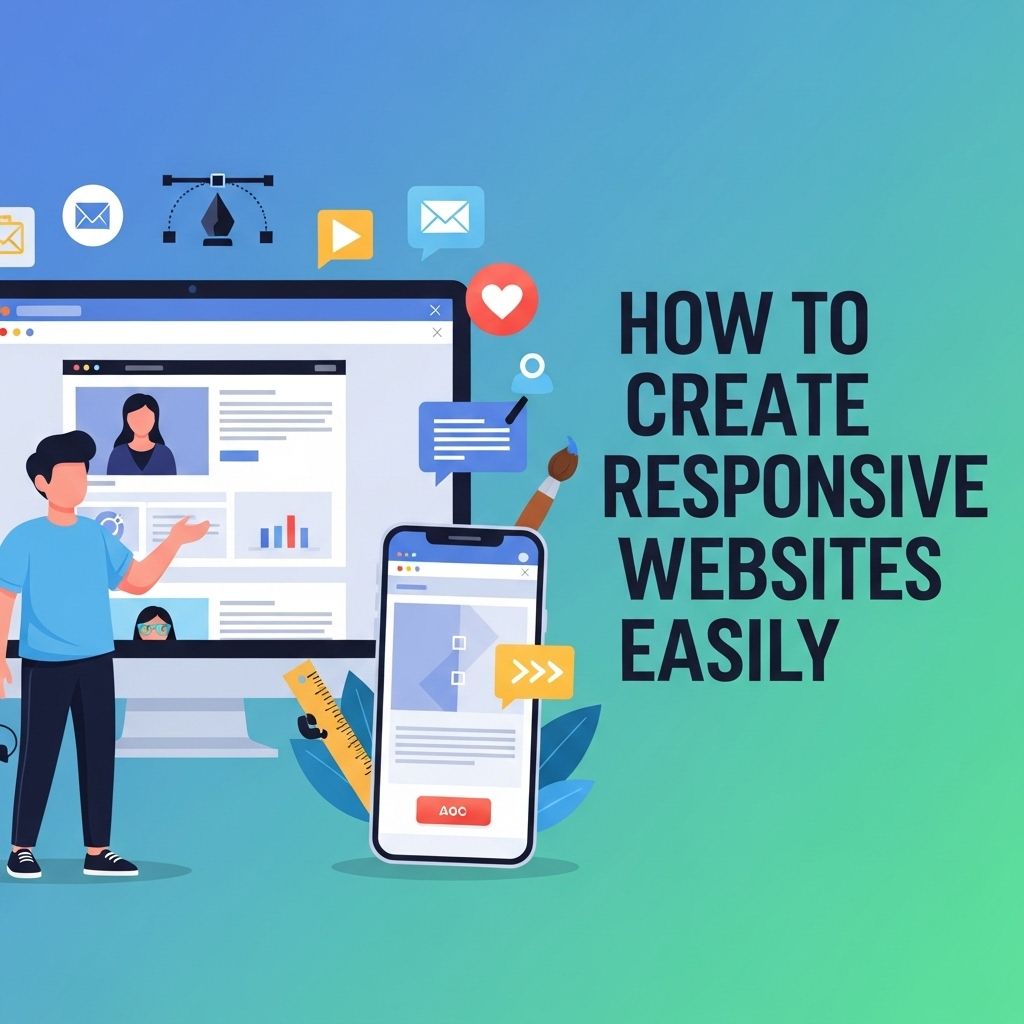
People access sites from a variety of devices with different screen sizes. Content should be able to respond and adapt to these sizes without restricting or compromising text, images, navigation, or interactivity.
Test on all screen sizes. Something that appears to be well spaced out on a desktop monitor could feel cluttered on a phone. Your buttons could also become impossible to press if they’re not spaced out enough during development.
Making Content Easier to Manage
Webflow’s content management system can help businesses organize recurring content such as blog posts, case studies, team profiles, and service information.
A well-planned CMS structure gives marketing teams more control over routine updates. They can publish new content without asking developers to manually create every page.
This is particularly useful for companies that regularly launch campaigns or expand their service offerings.
Improving Engagement Without Overcomplicating the Design
Animations, hover effects, and interactive sections can make a website feel more engaging. However, they should serve a clear purpose.
For instance, small animation could highlight an important service feature, or and interactive project gallery could allow visitors to browse a company’s portfolio. However, effects that are overdone can overwhelm the user and have adverse affects on loading performance.
An empathetic agency finds a happy medium between a good visual experience and accessibility and speed. They take into account reduced-motion preferences so visitors who prefer fewer animations will be able to navigate the site.
Boosting SEO and Website Speed
Great design needs to sit alongside search engine optimization. Clear hierarchy with well-structured headings, descriptive page titles, relevant content and sensible navigation will improve user and search engine clarity.
A Webflow expert can also examine image sizes, redirects, index settings and other technical aspects. As we mentioned, it offers some handy SEO features but how well you rank also depends on content, competition, authority, and more.
Things To Know Before Hiring a Webflow Team For Your Business
Look at their portfolio to see if their style fits your needs. Inquire about content management system planning, the responsiveness of websites, accessibility, SEO configurations, and maintenance.
It is also worth discussing how the website will be maintained after launch. A flexible website should not depend on constant developer involvement for simple content changes.
Conclusion

A well-designed marketing website design combines visual identity, useful content, and straightforward navigation. Working with a professional Webflow development agency can give businesses greater design flexibility while keeping their websites practical and manageable.
The best results come from making thoughtful decisions at every stage, from planning the content structure to testing the finished pages. When design flexibility supports real user needs, a website becomes a stronger tool for communication, engagement, and business growth.