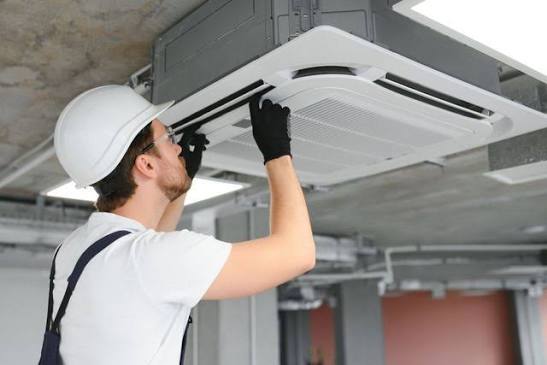
An unexpected breakdown of your heating or cooling system can quickly go from a simple hassle to a true emergency. Regardless of whether you have one of those swelteringly hot summer days or cold winter nights, a failing system impacts your health and safety, not just the comfort of your home. Despite professional emergency HVAC repair being the ultimate way to diagnose and fix any problem, there are certain things that homeowners should do before that happens.
Here is a list of steps that will help you prepare for the visit of your emergency HVAC repair in Fort Worth, prevent further damage, and save precious time.
Turn Off the HVAC System to Prevent Further Damage
What you need to do after detecting any issues with the HVAC system is turn it off right away. Using a faulty heating/cooling system will only increase the damage and result in additional expenses and, eventually, in a system breakdown. Strange sounds, smell of burning, water leakage, or lack of proper airflow – in all such cases, it is better to turn the system off.
You can turn the system off with the help of the thermostat, and if necessary, turn off the circuit breaker controlling the HVAC system. Such a simple step will ensure safety for the delicate parts of the system (compressors, motors, electrical wires).
Check Your Thermostat and Power Supply
Before concluding that your HVAC has had a major malfunction, spare some time checking on the thermostat and the electricity supply. Make sure the thermostat is in the right setting: heating or cooling, and that the temperature is correctly set. If your thermostat requires batteries, you will need to replace them because batteries are the most common reason behind unexpected power outages.
It will also be necessary to check whether there are any tripped circuit breakers in your home’s electrical panel. You can reset the circuit breaker if it is safe and if it only trips once. However, if it continues to trip repeatedly, you should not reset it, as it could mean a serious problem.
Inspect the Air Filter and Vents
One of the most frequent reasons for HVAC problems is having a clogged air filter. Clogging affects the performance of the HVAC system since it blocks air from circulating and may result in overheating or the formation of ice on the evaporator coils. Therefore, when waiting for your technician to come, check your air filter to see whether it needs to be replaced.
Furthermore, you should go around the house checking whether there is nothing blocking the air supply or return vents in your home. This way, you ensure efficient functioning of the HVAC system and provide your technician with helpful information during their visit. Although changing an air filter will not solve every emergency, it will reduce one problem that may occur.
Look for Visible Signs of Damage or Leaks
Inspect the indoor and outdoor HVAC systems visually without disassembling any component. Look for signs of water leakage, frost formation, strange odors, scorched areas, and exposed wires. If your HVAC system is outdoors, ensure you clear any leaves, branches, or any other obstruction around the condenser.
In case of refrigerant leaks, do not touch the refrigerant and prevent children and pets from accessing the area. Making these observations will enable you to inform your HVAC technician about the condition of your HVAC unit, which will make the diagnosis easier. Nevertheless, refrain from repairing your unit on your own.
Write Down the Symptoms You’ve Observed
One of the best things you can do when emergency heating and cooling services are called for your HVAC system is to keep track of all the observations you have made related to the issue. You need to write down when it first started occurring, whether it was sudden or gradual, and the warning signs you observed before the issue.
Write down whether your HVAC is blowing out warm air or not cooling at all, whether it won’t turn on, starts and stops frequently, or shows error messages on the thermostat. Include any details regarding storms or power outages in the last few days.
The End
HVAC emergencies tend to be quite a hassle; however, by following a few easy guidelines before the arrival of professionals, you could help speed up the process. Switching off the unit, adjusting its settings, changing the filter, listing the symptoms, looking for any visible problem, preparing equipment access, and maintaining proper documentation all contribute to better and quicker troubleshooting.
Although such actions could help prevent additional trouble and ensure better interaction with your technician, you should never try to conduct complicated repairs yourself because such units are rather complicated and contain many electrical, mechanical, and refrigerant parts. Thus, if you want to solve your HVAC emergency effectively, just stay calm and well-prepared.