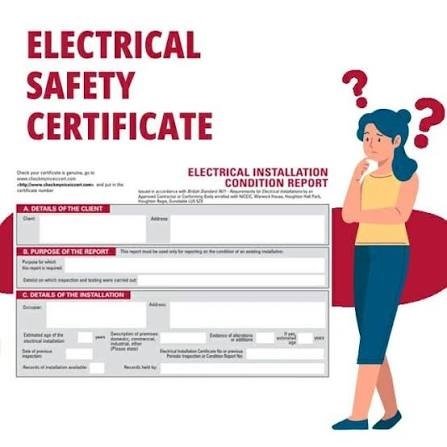
electrical safety certificate london
Electrical inspections are an important part of maintaining safe properties. Faulty wiring, damaged accessories, poor connections and unsuitable electrical alterations can all affect the condition of an installation. When these issues are found during an inspection, the property owner may need to arrange remedial work before the electrical system can be considered satisfactory.
An electrical safety certificate London assessment helps property owners understand the condition of an electrical installation and identify defects that need attention. For commercial properties, landlords, offices, shops and other buildings, regular electrical inspection can help reduce electrical risks and support proper maintenance. The inspection should be completed by a suitably competent electrical professional using appropriate inspection and testing methods.
A property does not usually fail because of one simple issue. Electrical installations can develop several defects over time, especially when they have been altered, extended or exposed to heavy use. Understanding common problems can help property owners prepare for an inspection and deal with issues before they become more serious.
What Does an Electrical Safety Certificate London Inspection Assess?
An electrical inspection looks at the condition and safety of an electrical installation within the agreed scope.
For an existing installation, an Electrical Installation Condition Report (EICR) is commonly used. The report records observations and test results and identifies defects that require attention.
The inspection may consider wiring, distribution boards, protective devices, earthing and bonding, socket outlets, switches and other electrical components. The precise scope depends on the property and installation.
The aim is not simply to produce a certificate. It is to establish whether the installation is in a suitable condition for continued use and whether further action is required.
Common Reasons Properties Fail Electrical Inspections
Properties can receive unsatisfactory results for many reasons. Some problems are visible, while others are identified through electrical testing.
1. Damaged or Deteriorated Wiring
Wiring can deteriorate because of age, heat, moisture, mechanical damage or previous alterations.
Visible damage to cable insulation should not be ignored. Cables can also become unsuitable when a property is modified or when electrical demands change.
An older installation is not automatically unsafe. However, its condition should be assessed based on the actual state of the electrical system.
Where deterioration is identified, a competent electrician can determine whether repair, replacement or further investigation is appropriate.
2. Faulty Socket Outlets and Switches
Damaged socket outlets and switches are common electrical defects.
Cracked accessories, loose fittings, signs of overheating and damaged faceplates can indicate problems that require attention. A socket that has become loose through repeated use may also need professional assessment.
Replacing a damaged accessory can be straightforward when completed correctly, but repeated faults may indicate a deeper problem with the circuit.
3. Poor or Loose Electrical Connections
Electrical connections need to be secure and correctly installed.
Loose connections can increase resistance and create heat. Over time, this can contribute to deterioration and electrical faults.
During an inspection, an electrician may identify signs of poor connections through visual checks or testing. Where a defect is found, the connection should be assessed and repaired by a suitably competent person.
4. Inadequate Earthing and Bonding
Earthing and bonding are key parts of electrical safety.
They help provide a path for fault current and support the operation of protective measures. Problems with these arrangements can create significant safety concerns.
Testing is important because an installation may appear satisfactory during a basic visual inspection while still having an issue that requires investigation.
Property owners should not attempt to modify earthing or bonding without suitable electrical competence.
5. Incorrect or Unsuitable Protective Devices
Protective devices such as circuit breakers and residual current devices play an important role in protecting electrical circuits.
A protective device needs to be suitable for the circuit and installation. Incorrect selection or inappropriate modifications can affect the level of protection provided.
During inspection and testing, the electrician can assess relevant protective arrangements and identify defects that need attention.
6. Overloaded Circuits
Electrical demand can increase as properties add more equipment.
An office may add computers, printers and kitchen equipment. A retail unit may install additional lighting and refrigeration. A workshop may introduce new machinery.
If electrical demand increases without suitable assessment of the installation, circuits may become overloaded.
Repeated tripping can be a warning sign that should not be ignored. It may indicate a fault, overload or another electrical issue that requires investigation.
7. Poor Electrical Alterations
Electrical installations often change over time.
New sockets, lighting, equipment and circuits may be added during renovations. Problems can occur when alterations are poorly designed, installed incorrectly or not properly documented.
An alteration that appears minor can affect the wider electrical installation. For this reason, electrical modifications should be planned and completed by suitably competent professionals.
8. Missing or Poor Circuit Identification
Clear circuit identification makes an electrical installation easier to operate and maintain.
Distribution boards should have suitable identification so that users and electrical professionals can understand which protective device relates to which circuit.
Poor labelling may be recorded as an observation, particularly where it affects the safe operation or maintenance of the installation.
9. Lack of Suitable Protection
Some installations may lack protective measures that are appropriate for their characteristics.
The required protection depends on the installation, environment and applicable requirements. An electrician can determine whether additional measures are necessary based on inspection findings.
This is one reason why a professional assessment is more useful than relying on a visual check alone.
10. Exposed Electrical Components
Electrical components should be installed and protected appropriately.
Exposed conductors, damaged enclosures or missing covers can create serious safety concerns. Such problems should be addressed promptly.
Where an installation presents an immediate danger, the responsible person may need to take urgent action to make the area safe.
Electrical Safety Certificate London: Classification Codes
An EICR uses classification codes to communicate the significance of observations.
| Code | Meaning | Typical Response |
| C1 | Danger present | Immediate action required |
| C2 | Potentially dangerous | Urgent remedial work required |
| C3 | Improvement recommended | Consider improvement |
| FI | Further investigation | Investigate without unnecessary delay |
These codes should be considered within the context of the complete report.
A C1 or C2 observation indicates a significant safety concern. C3 is used for an improvement recommendation and does not carry the same classification as an immediate or potentially dangerous defect.
FI means that further investigation is needed to establish the nature and extent of a potential issue.
Why Older Properties May Have More Electrical Defects
Older properties often contain electrical installations that have been modified over many years.
Different electrical components may have been installed during different periods. Extensions, refurbishments and changes in building use can also create a mixture of older and newer systems.
Age alone does not determine whether an installation is safe. However, older systems may require careful assessment because their condition, design and previous modifications need to be understood.
A detailed inspection can help identify whether existing components remain suitable or whether improvements should be planned.
Electrical Problems Caused by Building Alterations
Renovation work can affect electrical systems.
Moving walls, creating new rooms, installing equipment or changing the use of a space can alter electrical requirements. If electrical work is completed without considering the existing installation, defects can occur.
For example, adding several high-load appliances to an existing circuit may create additional demand. Installing new lighting may also require changes to circuits and protective arrangements.
Electrical planning should therefore form part of wider building refurbishment projects.
Problems With Electrical Documentation
Good electrical records help property owners understand the history of an installation.
Missing certificates do not automatically mean that an installation is unsafe. However, a lack of records can make it harder to establish what work has been completed.
Property owners should keep relevant documentation, including previous EICRs, Electrical Installation Certificates and records of remedial work.
Clear documentation also helps future electricians assess changes made to the property.
How to Prepare for an Electrical Safety Inspection
Preparation can help property owners identify known problems before the inspection.
Start by reviewing previous inspection reports. Check whether earlier reports identified defects that were never addressed.
Next, review recent electrical work. Make sure relevant certificates and documentation are available.
Check for visible damage to sockets, switches, cables and electrical equipment. Any known fault should be reported to a competent professional.
Access is also important. Electrical boards, plant rooms and other relevant areas should be accessible when the inspection takes place.
What Happens if an Inspection Finds Defects?
An unsatisfactory inspection result does not mean that the property cannot be made safe.
The first step is to understand the observations in the report. The responsible person should identify which issues require urgent action and which can form part of planned maintenance.
A competent electrical contractor can then complete suitable remedial work.
After repairs, additional testing or certification may be appropriate depending on the work carried out. All relevant records should be retained.
How Businesses Can Reduce Electrical Inspection Problems
The best approach is regular electrical maintenance rather than last-minute preparation.
Businesses can monitor recurring faults, maintain electrical equipment, keep records and respond to reported defects. Electrical alterations should also be properly planned and documented.
Facilities managers can include electrical inspections within wider planned maintenance schedules. This makes it easier to identify upcoming inspections and arrange remedial work without unnecessary disruption.
Staff should also know how to report visible electrical damage or recurring problems. Early reporting can prevent minor issues from becoming larger faults.
Electrical Safety Certificate London and BS 7671
The BS 7671 Requirements for Electrical Installations is a key UK reference for electrical installation design, inspection and testing.
Electrical professionals consider the applicable requirements when assessing installations and carrying out electrical work. The correct requirements depend on the characteristics and circumstances of the installation.
Commercial properties may also need to consider wider workplace health and safety, fire safety and other applicable requirements.
Electrical inspection should therefore form part of a wider property safety strategy.
Commercial Properties and Electrical Inspection
Commercial buildings can have complex electrical systems and higher levels of electrical use.
Offices may have extensive IT equipment and lighting. Retail premises may contain refrigeration, signage and display systems. Industrial buildings may use machinery and specialised electrical equipment.
The inspection should take the building’s use into account.
Businesses should also plan inspection work around operating hours. Some testing may require temporary power interruptions, so suitable arrangements should be made before the inspection begins.
Why Regular Inspection Matters
Regular inspection provides an opportunity to identify deterioration and electrical defects.
It also creates a record of the installation’s condition at the time of inspection. When combined with maintenance records, this information can help property owners plan future work.
Electrical systems should not be treated as maintenance-free. Components can deteriorate, building use can change and new equipment can increase electrical demand.
A planned inspection and maintenance programme can help businesses manage these changes.
How Almens Consult Can Help
Almens Consult can support commercial property owners and businesses with electrical engineering and electrical safety requirements. We provide practical support for organisations that need to assess electrical systems, address engineering concerns and plan suitable improvements.
We understand that commercial properties have different electrical loads, building layouts and operational requirements. Our approach focuses on safety, reliable engineering and clear documentation.
Whether a business needs support with an existing electrical installation, planned improvements or broader electrical engineering requirements, professional guidance can help identify suitable solutions and support long-term property management.
Conclusion
An electrical safety certificate London inspection can identify problems that may otherwise remain unnoticed. Damaged wiring, faulty accessories, poor connections, inadequate earthing, unsuitable protective devices, overloaded circuits and poor alterations are among the common issues that can affect an electrical installation.
The best way to prepare is not to hide defects or attempt unsuitable repairs. Instead, property owners should maintain their electrical systems, keep accurate records and arrange professional assessment when problems arise.
For commercial buildings, regular inspection should form part of a wider electrical maintenance plan. By addressing defects promptly and keeping suitable documentation, property owners can improve electrical safety and maintain more reliable installations.