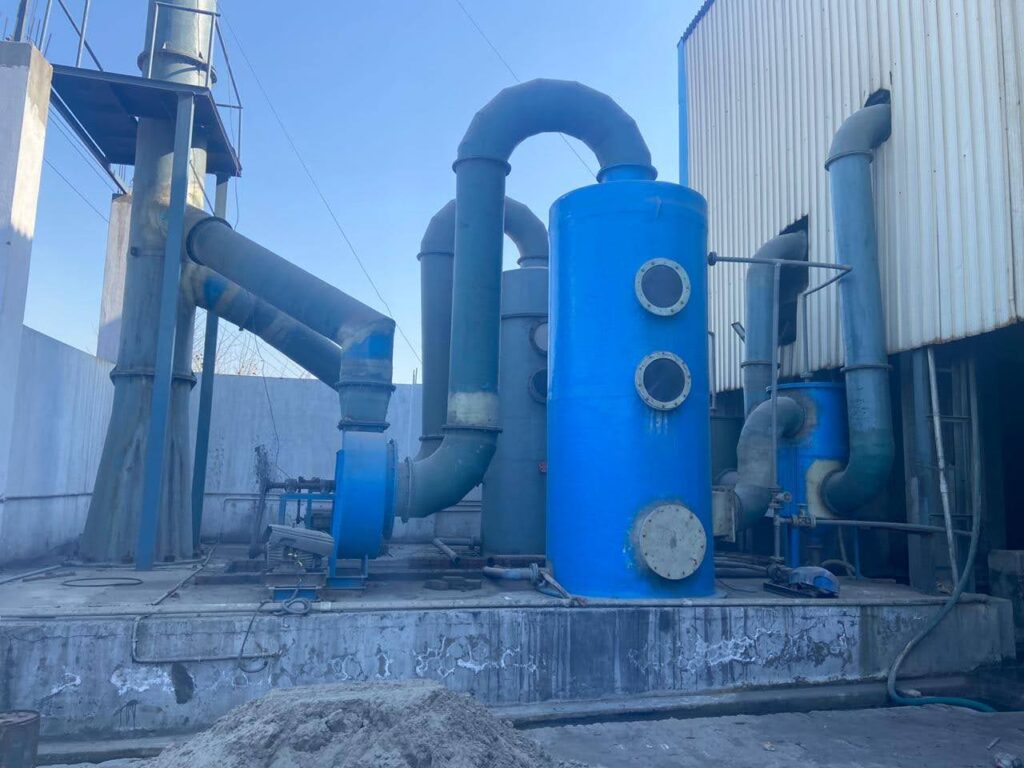
Many factories invest heavily in machinery, raw materials, and production planning, yet still struggle to achieve the output they expect. When this happens, management often looks at staffing levels, machine speed, or scheduling systems. However, one major factor is regularly overlooked—the daily working environment. If a factory is dusty, hot, poorly ventilated, or uncomfortable for long shifts, worker productivity can gradually decline without being clearly measured.
Productivity is not only about how fast machines run. It is also about how consistently people can perform around those machines. Workers who feel tired, distracted, overheated, or constantly dealing with dust often move slower, make more errors, and require more recovery time through the shift. These changes may appear small hour by hour, but across weeks and months they can significantly affect total production.
Modern manufacturers increasingly recognize that workplace conditions influence output just as much as process planning. GPT India helps industrial businesses improve environmental performance through practical dust and airflow solutions designed for cleaner, more productive operations.
Dust is one of the most common reasons factory efficiency falls quietly over time. Fine particles settle on tools, benches, pathways, machines, and materials. Workers may need to clean surfaces repeatedly before continuing tasks. Movement becomes slower when housekeeping demands rise. In detailed assembly or finishing operations, dust can also reduce accuracy and concentration.
In woodworking and furniture production, airborne particulate levels can rise quickly during cutting and sanding. A dedicated Wood Dust Collector helps capture material close to the source before it spreads through the plant. Cleaner zones often support faster and steadier workflow.
Heat is another major productivity issue. In enclosed manufacturing spaces, machinery, weather conditions, and poor air movement can create uncomfortable temperatures. When heat builds, physical energy drops faster. Workers may require more pauses, become less focused, and struggle to maintain the same pace during later hours of the shift.
An Air Washer System can help improve internal comfort by circulating and conditioning air. Better temperature balance often supports stronger concentration and more consistent work performance throughout the day.
Poor ventilation can also create stale conditions where fumes, odors, or suspended particles remain longer than they should. This affects comfort and can make certain work areas less desirable or harder to staff effectively. A cleaner environment often improves morale as well as performance.
Where industrial processes generate smoke or vapors, a Fume Extraction System helps remove contaminants near the source before they spread into wider work zones. This is especially useful in fabrication, welding, thermal processing, and similar operations.
Some businesses assume productivity loss only happens when machines stop. In reality, many factories lose output while everything appears to be running. Workers walking slower, cleaning more often, searching for clean tools, dealing with heat fatigue, or correcting minor mistakes can quietly reduce total capacity.
Dust also affects material handling. If pathways become dirty or cluttered, movement of goods may slow. Packaging zones can become less efficient. Teams may spend extra time preparing products for dispatch. These delays rarely appear dramatic, but they reduce operational speed.
A properly designed Dust Collection System helps remove particles before they circulate widely. Instead of relying on constant sweeping or cleanup after contamination spreads, source capture supports cleaner daily operations. This usually saves time and improves workflow consistency.
Where mixed particle sizes are present, a Cyclone Dust Collector can be valuable as an early-stage separator. Larger particles are removed first, helping downstream filtration work more effectively.
Larger production facilities often need stronger airflow movement across broad areas. Centrifugal Blowers are commonly used where pressure-based air movement is required through ducts or extraction networks. Correct airflow design can help eliminate stagnant hot zones and support balanced conditions.
Another important factor is employee mindset. Workers generally notice when management invests in better conditions. Cleaner air, improved comfort, and safer surroundings can positively influence morale. Better morale often leads to steadier attendance, stronger engagement, and lower turnover pressure.
Factories that ignore environmental quality may unintentionally create hidden labor costs. Slower output means more hours per unit produced. Fatigue can increase errors. Discomfort can raise absenteeism or retention challenges. These costs are real even if they are not listed directly under maintenance or utilities.
Low-cost generic ventilation systems often fail because they are selected without understanding layout, machine heat load, production density, or dust source locations. Fans alone may move air but not solve contamination problems. Proper planning usually matters more than cheap upfront purchasing.
GPT India focuses on practical industrial conditions rather than one-size-fits-all supply. Every plant has different workflows, staffing patterns, process heat, and air quality challenges. Systems designed around actual operations usually create better long-term value.
GPT India is located at 59/2/1, Site 4, Industrial Area, Sahibabad, Ghaziabad, Uttar Pradesh, 201010. Businesses can contact +91-9773500660 or email info@gpt-india.com for industrial dust and air management guidance.
FAQs
How does dust reduce worker productivity? Dust increases cleaning needs, discomfort, distractions, and slower workflow across shifts.
Can heat really lower factory output? Yes, excessive heat can reduce energy, concentration, and pace during long working hours.
Why use a Wood Dust Collector? It helps capture fine particles in woodworking and furniture operations before they spread.
What does a Fume Extraction System do? It removes smoke or vapors near source points to improve working conditions.
Why are customized systems better than standard units? They are designed for actual plant layout, workload, and environmental challenges.
Conclusion
Worker productivity depends on more than labor numbers and machine speed. Dust, heat, and poor airflow can quietly lower performance every day. Businesses that improve factory conditions often gain steadier output, better morale, and stronger long-term efficiency. Cleaner environments are not just comfort upgrades—they are productivity investments.