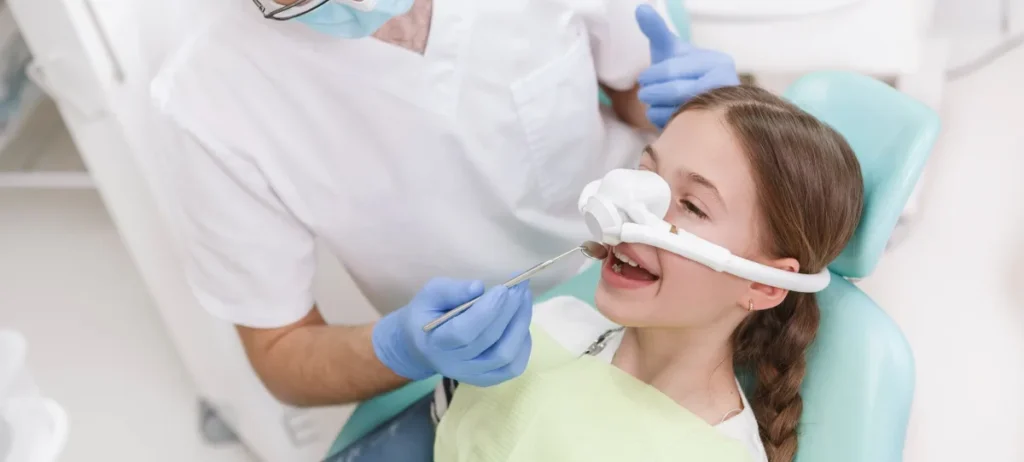
Going to the dentist can be stressful for some people; it gives them stress, anxiety, and tons of mental pressure, while for many others it is just part of the routine. However, dentists are well aware of the whole scenario and thus use dental sedation when required. If you are among those who are being advised to use sedation, it is essential to understand how sedation works, what to expect, and whether it is appropriate for you, which can make it easier to have an informed conversation with your dental team.
If you are considering dental sedation Napanee services, learning about the process before your appointment can help you feel more prepared.
-
What Is Dental Sedation?
Dental sedation involves using medication or other techniques to help a patient relax during dental care. Depending on the type used, sedation can range from mild relaxation to a deeper level of sedation. It is different from general anesthesia, where a patient is fully unconscious.
The appropriate method depends on factors such as the patient’s health, anxiety level, planned treatment, medical history, and the type of sedation being considered. A dental professional should assess these factors before recommending a sedation approach.
Sedation does not necessarily eliminate pain on its own. Local anesthesia may still be used to numb the treatment area when appropriate. The goal of sedation is often to make the overall dental experience more comfortable and manageable.
-
Why Might Someone Consider Sedation Dentistry?
There are several reasons a dentist may discuss sedation as part of a treatment plan. Some patients experience significant dental anxiety, while others may have difficulty sitting still for longer procedures.
Sedation may also be considered when a patient has a strong gag reflex, finds certain aspects of dental treatment particularly stressful, or needs extensive dental work. In some cases, it can make it easier for patients to receive necessary care that they might otherwise postpone.
However, sedation is not automatically needed for every nervous patient or every procedure. A dental assessment can help determine whether it is appropriate.
-
Dental Anxiety and Fear of Treatment
Dental anxiety can develop for many reasons. Previous unpleasant dental experiences, fear of needles, concern about pain, or simply feeling uncomfortable in a clinical environment can all contribute.
Avoiding dental appointments because of anxiety can make oral health problems more difficult to manage over time. Discussing your concerns openly with your dental team is an important first step.
For some patients, dental anxiety treatment options in Napanee may include communication techniques, gradual exposure to treatment, relaxation strategies, or sedation when clinically appropriate. The right approach depends on the individual.
-
What Happens During a Sedated Dental Appointment?
The exact process varies according to the type of sedation being used. Before treatment, your dentist should review your medical history, medications, allergies, and other relevant information. You may also receive instructions about eating, drinking, or taking certain medications before your appointment.
During treatment, the dental team monitors you and provides the planned dental care. The level of awareness and relaxation depends on the sedation method.
Afterward, you may need some time to recover before leaving the dental office. Certain forms of sedation can affect coordination, alertness, or judgment for several hours. Your dental team will explain what to expect and whether you need someone to accompany you home.
Following post-treatment instructions is important for a safe recovery.
-
What Types of Dental Procedures May Involve Sedation?
Sedation may be discussed for a variety of dental procedures, particularly when treatment is lengthy or a patient is very anxious. Depending on the circumstances, this could include procedures such as:
- Dental fillings or restorative treatment
- Tooth extractions
- Root canal treatment
- Periodontal procedures
- Dental surgery
- Multiple procedures completed during one appointment
Not every procedure requires sedation. The decision is based on the treatment involved as well as the patient’s individual needs and medical considerations.
-
Questions to Ask Your Dentist Before Sedation
Before agreeing to sedation, it is reasonable to ask questions and make sure you understand the plan. Consider asking:
- What type of sedation is being recommended?
- Why is this option appropriate for my treatment?
- Will I remain awake during the procedure?
- Will local anesthesia also be used?
- What should I eat or drink before the appointment?
- Should I take my regular medications?
- How long might the effects of sedation last?
- Will I need someone to take me home?
- Are there any risks or side effects I should know about?
- What should I do if I feel unwell before the appointment?
Clear answers can help you understand what to expect and identify any concerns before treatment begins.
-
What Should Patients Discuss With Their Dental Team?
Honest communication is especially important when sedation is being considered. Tell your dental team about any medical conditions, allergies, medications, supplements, previous reactions to sedation or anesthesia, and other relevant health information.
You should also explain the specific aspects of dental treatment that make you uncomfortable. For example, you may be worried about needles, sounds, sensations, or a previous dental experience.
Providing complete information allows the dental team to consider your circumstances when planning treatment. If you have questions about dentist sedation Napanee options, raise them during your consultation rather than waiting until the day of treatment.
-
Is Sedation Appropriate for Everyone?
No. Sedation is not suitable for every patient or every situation. Its safety and appropriateness depend on several factors, including medical history, medications, allergies, age, the planned dental procedure, and the type of sedation being considered.
This is why a dental professional should assess the patient before sedation. In some cases, another approach to managing dental anxiety may be more appropriate.
Patients should never assume that a particular sedation method is safe simply because it was suitable for someone else. Individual assessment matters.
-
Dental Sedation at Smile Shapers Napanee
At Smile Shapers Napanee, patients can discuss their concerns about dental treatment with their dental team and learn whether sedation may be an appropriate option for their circumstances. A conversation before treatment provides an opportunity to explain dental anxiety, ask questions, review the planned procedure, and understand what to expect.
If you are nervous about an upcoming appointment, you do not have to keep those concerns to yourself. Talking openly with your dental team can help them understand what makes treatment difficult for you and determine what options may be available.
Conclusion
Dental sedation can be one option for helping certain patients manage anxiety or remain comfortable during dental treatment. However, it is not a one-size-fits-all solution. The type of sedation, if any, should be determined after considering the patient’s health, concerns, and planned treatment.
If you are considering dental sedation Napanee options because dental anxiety has made it difficult to receive care, speak with your dental team before your appointment. Ask questions, share your concerns, and discuss whether sedation or another approach may be appropriate for you.