An RV gives you the freedom to travel, but the factory layout doesn’t always match how you want to use it. Maybe the kitchen takes up too much room, the sleeping area feels cramped, or there aren’t enough outlets for your devices. These issues become more noticeable when you’re spending several days or weeks on the road.
That’s where Custom RV Conversions come in. Instead of adjusting your routine around a standard floor plan, you can change the interior and its systems to better support your travel needs.
However, an RV conversion involves more than choosing cabinets and furniture. Electrical capacity, plumbing, insulation, ventilation, weight distribution, and vehicle safety all affect the final result.
This guide explains how to plan an RV conversion, which upgrades are worth considering, and what to know before starting your project.
What Is a Custom RV Conversion?
A custom RV conversion involves modifying an existing recreational vehicle or converting a suitable van into a space designed for travel, camping, or extended living.
The work can range from relatively simple interior improvements to a complete build involving electrical, plumbing, and structural changes.
For example, one owner may want additional storage and a more comfortable sleeping area. Another may need a fully equipped kitchen, bathroom, workspace, and off-grid power system.
The extent of the conversion depends on the vehicle’s construction, available space, budget, and intended use.
A well-planned conversion considers how every component works together. Adding a refrigerator affects electrical demand. Installing a shower introduces plumbing and moisture-management requirements. Larger cabinets increase weight and may affect accessibility.
These connections make early planning especially important.
Start With How You Plan to Use Your RV
Before choosing materials or equipment, think about what your typical trip looks like.
A vehicle used for occasional weekend camping has different requirements from one used for extended travel.
Weekend travel
For short trips, owners often prioritize sleeping space, basic food preparation, lighting, and convenient storage.
A compact electrical system may be enough to power lights, charge devices, and operate selected appliances.
The goal is usually to keep the interior practical without adding unnecessary complexity.
Extended road trips
Longer trips place greater demands on comfort and storage.
You may need more freshwater capacity, reliable refrigeration, additional battery storage, and a comfortable seating area.
Ventilation and temperature control also become more important when the vehicle is occupied for extended periods.
Full-time RV living
Full-time travelers often need a more complete living environment.
This may include a dedicated workspace, larger storage compartments, improved insulation, and systems designed for frequent daily use.
Maintenance accessibility matters too. Components that are difficult to reach can make routine repairs unnecessarily complicated.
Off-grid camping
Travelers who frequently camp without hookups need to pay particular attention to power, water, and waste management.
Battery capacity, charging methods, appliance efficiency, and freshwater storage should be planned around realistic daily consumption.
How to Design an RV Layout That Works
Interior layout is one of the most important parts of a conversion.
A design can look attractive on paper but become frustrating when cabinets block walkways or storage compartments are difficult to access.
Start by measuring the usable interior dimensions.
Account for doors, windows, wheel wells, existing fixtures, and structural components that cannot be relocated.
Then divide the interior into functional areas.
Sleeping area
Consider whether you need a permanent bed or a convertible sleeping arrangement.
Permanent beds are convenient because they don’t require daily setup.
Convertible seating can save space, but it may become inconvenient during extended travel.
Mattress dimensions, ventilation, and access to storage underneath should also influence the design.
Kitchen area
A practical RV kitchen needs enough room for food preparation, cooking, and cleanup.
Think about the placement of the refrigerator, sink, cooking equipment, and storage.
Heat-producing appliances require appropriate clearances and ventilation.
Cabinets and drawers should remain secure while the vehicle is moving.
Seating and workspace
If you work remotely, a dedicated workspace may be worth the space it occupies.
Consider desk height, lighting, outlets, and seating comfort.
For vehicles carrying passengers while moving, travel seats and restraint systems must meet applicable vehicle safety requirements. Furniture intended for use while parked should not automatically be treated as approved passenger seating.
Choosing the Right Electrical System
Electrical planning determines which appliances you can use and how long you can operate them without external power.
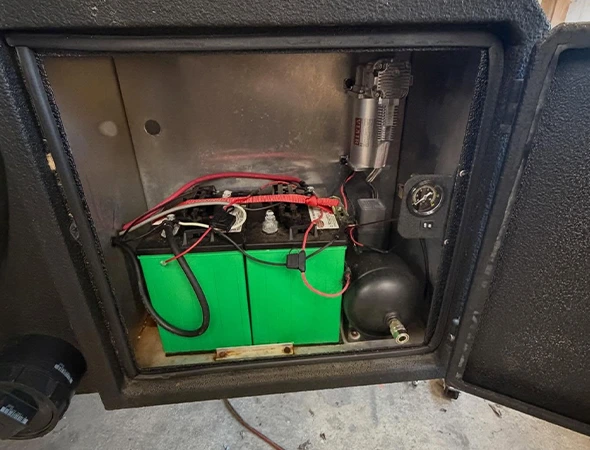
Most RV electrical systems include a combination of 12-volt DC circuits and 120-volt AC equipment.
The system may use batteries, shore power, solar charging, and an inverter.
Calculate your power requirements
Begin by listing the equipment you plan to use.
Include lighting, refrigeration, water pumps, fans, computers, and other appliances.
For each device, estimate its power consumption and daily operating time.
This helps determine the battery capacity and charging equipment required.
Consider solar power
Solar panels can help recharge batteries during daylight hours.
However, actual output depends on sunlight, weather, panel orientation, shading, and system efficiency.
Solar power should be sized using realistic energy requirements rather than panel wattage alone.
Plan for electrical safety
Proper circuit protection, wire sizing, grounding, and equipment installation are essential.
Battery systems also require suitable protection, mounting, and temperature management.
Professional installation is especially important when modifying shore power connections or high-capacity battery systems.
Plumbing and Water Systems for RV Conversions
Adding a sink, shower, or toilet changes how the vehicle manages water.
A typical RV plumbing setup may include a freshwater tank, water pump, supply lines, drains, and wastewater storage.
The system should be designed around expected daily water use.
Freshwater storage
Tank capacity affects how long you can travel without refilling.
However, water adds significant weight. One US gallon weighs approximately 8.34 pounds.
A 40-gallon freshwater tank therefore holds about 334 pounds of water when full, excluding the tank itself.
Tank placement must account for the vehicle’s weight distribution and structural support.
Wastewater management
Gray water from sinks and showers requires appropriate collection and disposal.
If the conversion includes a conventional RV toilet, a black-water system may also be necessary.
Tank locations, venting, drain routing, and service access should be planned before interior construction begins.
Preventing leaks
Use materials and connections appropriate for mobile applications.
Pipes and fittings experience vibration, temperature changes, and movement during travel.
Accessible shutoff valves and inspection points make future maintenance easier.
Insulation, Ventilation, and Temperature Control
A comfortable RV needs more than heating and air conditioning.
Insulation and ventilation help regulate interior temperatures and manage moisture.
Selecting insulation
Common options include rigid foam boards, spray foam products, and insulation materials designed for vehicle applications.
The best choice depends on the vehicle’s construction, available cavity space, fire-safety requirements, and moisture-management strategy.
Insulation should not block required drainage paths or interfere with electrical and mechanical components.
Managing condensation
Condensation develops when warm, humid air contacts cooler surfaces.
Cooking, showering, and breathing all introduce moisture into a small interior.
Roof vents, exhaust fans, and controlled airflow help reduce humidity.
Proper ventilation is especially important when the RV is occupied during colder weather.
Heating and cooling
Air conditioners, heat pumps, and fuel-burning heaters have different installation and power requirements.
Fuel-burning equipment must be approved for the intended application and installed with appropriate combustion air, exhaust routing, and safety protections.
Portable outdoor combustion heaters should never be used inside an RV.
Storage Ideas That Make a Small RV More Functional
Good storage design makes everyday activities easier.
Consider where you will keep clothing, cooking supplies, tools, outdoor equipment, and maintenance items.
Useful solutions include:
- Drawers beneath fixed beds.
- Secure overhead cabinets.
- Compartments with positive-locking latches.
- Adjustable shelves for changing storage needs.
- Dedicated spaces for electrical and plumbing access.
- Exterior-access compartments for outdoor equipment.
Avoid placing all heavy items in one section of the vehicle.
Storage design should account for both convenience and safe weight distribution.
Also remember that storage compartments need appropriate restraints. Loose equipment can become hazardous during sudden braking or collisions.
Why Vehicle Weight and Structural Limits Matter
Every conversion adds weight.
Cabinets, appliances, water tanks, batteries, furniture, and personal belongings all contribute to the vehicle’s total load.
Before starting the build, check the manufacturer’s Gross Vehicle Weight Rating (GVWR) and axle weight ratings.
Weighing the vehicle before and after major modifications helps determine how much capacity remains.
For towable RVs, tongue weight and axle loading also affect towing safety.
Structural changes may require manufacturer guidance or professional engineering review.
Adding reinforcement does not automatically increase the vehicle’s certified weight ratings.
How Much Does a Custom RV Conversion Cost?
The cost depends on the existing vehicle, the complexity of the design, and the equipment selected.
A modest interior update may involve cabinetry, flooring, and lighting.
A complete conversion can require extensive electrical work, plumbing, insulation, heating, cooling, and custom fabrication.
Major cost considerations include:
| Project component | What affects the cost |
| Interior layout | Custom cabinetry, furniture, and fabrication |
| Electrical system | Battery capacity, solar equipment, wiring, and inverter |
| Plumbing | Tanks, fixtures, pumps, and pipe routing |
| Heating and cooling | Equipment selection and installation complexity |
| Insulation and flooring | Materials, labor, and existing vehicle condition |
| Structural changes | Required modifications, approvals, and fabrication |
Set aside a contingency budget for hidden damage or unexpected installation requirements.
Older vehicles may need mechanical or structural repairs before conversion work can begin.
A detailed estimate should separate essential systems from optional upgrades so you can prioritize spending.
DIY vs. Professional RV Conversion
Some RV improvements are suitable for experienced DIY owners.
Painting, organizing storage, and installing certain removable accessories may be manageable without extensive modification.
However, electrical distribution, gas systems, structural alterations, and major plumbing work require specialized knowledge.
Incorrect installations can create fire hazards, water damage, electrical faults, or structural problems.
A professional conversion provider can also help coordinate the relationship between different systems.
For example, the placement of batteries, water tanks, and appliances should be considered before cabinetry is installed.
Common RV Conversion Mistakes to Avoid
Several planning mistakes can create problems after the build is complete.
Choosing appearance over function: Attractive finishes won’t compensate for inadequate storage or difficult access to essential equipment.
Underestimating electrical demand: A battery system that cannot support daily usage can make off-grid travel frustrating.
Ignoring maintenance access: Pumps, fuses, valves, and other serviceable components should remain accessible.
Adding too much weight: Heavy materials and oversized equipment can reduce payload capacity.
Overlooking ventilation: Poor airflow can contribute to condensation and uncomfortable indoor conditions.
Starting without a complete plan: Changing the layout after wiring and plumbing are installed can increase costs significantly.
Avoiding these mistakes begins with deciding how the RV will actually be used.
Working With a Professional RV Conversion Specialist
An experienced conversion provider can help evaluate the vehicle and determine which upgrades are practical.
The process should begin with a discussion about your intended use, budget, and preferred layout.
From there, the provider can assess available space, structural limitations, and system requirements.
Hudson Automotive Repair & Service, located in Highland, NY, offers van conversions, RV upgrades, electrical installations, solar systems, insulation, flooring, and custom interior work.
Hudson Automotive Repair & Service+1
For owners planning Custom RV Conversions, the company can help assess the vehicle and discuss suitable modifications.
Professional RV Interior Customization can also help bring together storage, comfort, and equipment upgrades without overlooking the vehicle’s practical limitations.
Frequently Asked Questions
How long does a custom RV conversion take?
The timeline depends on the project. Simple interior changes may take less time than a complete build involving electrical, plumbing, and structural work. Material availability and unexpected repairs can also affect scheduling.
Can an older RV be converted?
Yes, provided the vehicle is structurally and mechanically suitable. Older RVs should be inspected for corrosion, water damage, electrical problems, and other issues before renovation begins.
Do RV conversions require permits?
Requirements vary by jurisdiction and the type of modification. Changes involving vehicle classification, passenger seating, electrical systems, or structural components may trigger additional requirements.
Can solar panels power an entire RV?
Solar can supply a significant portion of an RV’s electricity, but the result depends on battery storage, daily consumption, weather, and available roof space. High-demand appliances may require additional power sources.
Does customizing an RV increase its resale value?
Some upgrades may appeal to future buyers, but resale value depends on workmanship, vehicle condition, documentation, and buyer preferences. Highly personalized layouts don’t always recover their full installation cost.
Conclusion
A successful RV conversion begins with understanding how you want to travel.
Interior layout, electrical capacity, plumbing, insulation, storage, and vehicle weight all influence how comfortable and practical the finished RV will be.
Planning these systems together helps avoid expensive changes later and creates a vehicle that better supports everyday use.
For RV owners exploring conversion options, Hudson Automotive Repair & Service offers custom builds and upgrade services from its Highland, NY location. A professional assessment can help turn your ideas into a practical project plan.