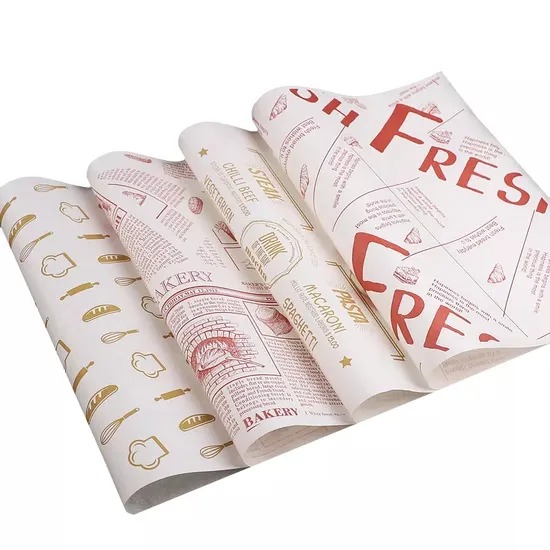
Custom Printed Papers often show up in places we do not notice at first. A shop bag, a wrapped product, or even simple packaging at home. It adds a small visual touch that changes how things feel when you receive them. Many people use Custom Printed Papers for basic wrapping, branding, or even personal projects where presentation matters a bit more than usual.
The idea is not complicated. It is just paper that carries design, color, or message. Some use it for business identity while others just like the look. Over time, it has become part of everyday packaging choices. In this article, we look at how it works in simple ways and why it keeps getting attention in different uses.
Paper Choice Basics
Paper selection always starts with a simple need. Some people want light paper for wrapping while others prefer thicker sheets for a stronger packaging feel. Texture also matters because it changes how the final product looks in hand. Smooth paper gives a clean finish while rough paper feels more natural and soft. Small choices like this can shift the whole impression without much effort or cost involved in the process.
In many small businesses, the use of Custom Printed Papers Wholesale often comes from bulk buying needs where cost control is important. It allows steady supply for daily packaging without frequent reordering stress. This approach helps shops keep consistency in look while still managing budget. Over time, it becomes part of routine work and helps build a simple but steady packaging system.
Everyday Print Use
Printed paper shows up in daily life more than expected. Shops wrap items, bakeries line boxes, and gift stores use it for light presentation work. It is not always about branding but also about making simple things feel a bit more thoughtful. Even a plain item feels small printed papers slightly different when wrapped in styled paper, and that small change often matters in customer experience.
Some sellers in the UK rely on Custom Printed Papers UK when they want a local supply option that supports quick delivery and stable quality. This helps reduce waiting time and keeps operations smooth during busy days. Local sourcing also makes it easier to test different paper styles without long delays. Many small brands prefer this balance between speed and control in their daily workflow.
Brand Identity Work
Visual identity is not always built with big changes. Sometimes it grows from small details like packaging paper used again and again. When a customer sees the same pattern or design, it slowly becomes part of memory. This kind of repetition builds recognition without forcing attention. It stays quiet but still shapes how people remember a business over time in simple ways.
A lot of designers talk about Custom Papers Printed when adjusting brand presentation across different packaging layers. It helps keep design consistent whether it is a box, a wrap, or a simple bag lining. This consistency matters because mixed styles can confuse the look. A steady design pattern makes everything feel connected even if the product range changes across seasons or collections.
Packaging Surface Feel
The surface of paper changes how people react when they touch it. Some textures feel soft and calm while others feel firm and structured. This small detail affects perception even before the product is seen fully. In packaging, touch and feel are just as important as color or print because they add a physical layer to visual design that people notice naturally.
Businesses working with Custom Printed Packaging Papers often focus on this balance between strength and appearance. The paper must hold shape but also carry design clearly without fading or smudging. When both sides work together, the final result feels more complete. It is not only about protection but also about how the packaging communicates quality in a quiet and steady way.
Order Flex Options
Flexibility in ordering helps many small setups stay active without pressure. Some do not want large stock while others prefer small test batches before committing. This freedom allows experimentation with designs and paper types without risk. It also helps new businesses learn what works for their audience before making bigger decisions about packaging direction and supply planning.
Many new sellers explore Custom Printed Papers No Minimum because it removes the barrier of large orders. This gives room to try ideas without financial strain. It becomes useful for startups or seasonal sellers who change designs often. Over time, this kind of flexibility supports creativity and reduces pressure, allowing more focus on design and customer response instead of storage or excess stock issues.
Logo Design Focus
Logos on paper create a clear visual mark that stays in memory. Even a small symbol can guide recognition when seen repeatedly. It does not need to be complex. Simple shapes or letters often work better because they stay readable on different paper textures. The main goal is clarity so that the design does not get lost during printing or folding processes.
Many businesses choose Custom Printed Paperswith a logoo, when they want a direct identity on packaging. It helps link the product back to the source in a simple visual way. Over time, customers start connecting the design with trust or familiarity. This connection builds slowly through repeated exposure rather than big advertising moves or strong promotional language in the packaging itself.
Material Flow Notes
Material movement in packaging work affects how smooth production feels. When paper rolls or sheets are easy to handle, the whole process becomes faster. Cutting, folding, and storing all depend on how well the material custom boxes wholesale behaves during use. Even small changes in thickness or coating can shift workflow speed and handling comfort in daily operations for packaging teams.
Different production setups often adjust paper types based on need rather than fixed choice. Some days require stronger sheets while other days need lighter material for quick wrapping. This flow helps keep work balanced and avoids delays. Overtime,e teams learn which type fits which task, making the whole process more natural and less forced in routine packaging work.
Simple Market View
The market for printed paper stays steady because many industries use it in small but regular ways. Retail, food, gifts, and online sellers all depend on some form of wrapping or presentation. This constant demand keeps the category active even when trends change. It is not a fast-moving space, but it remains consistent in everyday business operations across different scales.
Looking at Custom Printed Papers as a whole shows how simple materials can carry useful roles in many areas. It is not about complexity but about daily function and presentation. From small shops to larger setups, the need stays similar. That quiet demand is what keeps this material relevant in packaging work across different markets and customer types.
Conclusion
Custom Printed Papers often blend into daily packaging without much attention, yet they shape how products feel when received. The mix of design, texture, and simple printing gives small meaning to everyday items. It is not about big change but about steady presentation that supports how people see and remember a product or brand.
Over time, Custom Printed Papers become part of routine work in many businesses. They help build identity, support packaging flow, and create a small visual connection with customers. Even simple paper can carry a quiet impact when used with care and consistency in everyday use.