CRM Software
In today’s data-driven business environment, making informed decisions is essential for long-term growth and success. Companies that rely on guesswork or incomplete information often struggle to improve sales performance, customer satisfaction, and operational efficiency. This is why reporting features in CRM software have become one of the most valuable tools for modern businesses.
Customer Relationship Management (CRM) software does more than store customer information. It provides detailed reports, analytics, and insights that help businesses understand customer behavior, monitor performance, and identify opportunities for improvement. Effective reporting features allow organizations to track progress, measure results, and make smarter strategic decisions. Businesses of all sizes can benefit from CRM reporting tools that improve transparency, efficiency, and overall productivity.
Understanding CRM Reporting Features
CRM reporting features are tools that collect, organize, and analyze business data in a structured way. These reports provide valuable insights into customer interactions, sales performance, marketing campaigns, employee productivity, and customer support activities.
Instead of manually analyzing spreadsheets or disconnected data sources, businesses can use CRM software to generate accurate reports automatically. Real-time reporting helps organizations respond quickly to changing trends and improve decision-making across departments.
Sales Performance Reporting
Sales reporting is one of the most important CRM features every business needs. Companies must understand how their sales teams are performing, which products or services generate the most revenue, and where sales opportunities may be lost.
CRM software provides detailed sales reports that track leads, conversions, revenue, and sales pipeline progress. Managers can monitor individual employee performance, identify sales trends, and make adjustments to improve results. These insights help businesses create more effective sales strategies and increase profitability.
Lead Tracking and Conversion Reports
Lead management is essential for business growth, and CRM reporting tools make it easier to track lead activity and conversion rates. Businesses can monitor where leads come from, how they interact with the company, and which channels generate the highest-quality prospects.
Lead conversion reports help businesses identify successful marketing strategies and areas where potential customers may lose interest. By understanding the customer journey, companies can improve lead nurturing and increase conversion success.
Customer Behavior Analysis
Understanding customer behavior is critical for improving customer experiences and building long-term relationships. CRM software provides reporting features that analyze customer preferences, purchasing patterns, communication habits, and engagement levels.
These insights help businesses personalize communication and offer products or services that match customer interests. Companies that understand customer behavior can create better experiences that improve loyalty and retention.
Marketing Campaign Performance Reports
Marketing campaigns require time, effort, and financial investment, so businesses must measure their effectiveness accurately. CRM reporting tools provide valuable data about campaign performance, including customer engagement, email open rates, click-through rates, and conversion results.
Businesses can compare different campaigns to identify which strategies generate the best return on investment. This allows companies to optimize marketing efforts, reduce unnecessary spending, and improve overall campaign success.
Customer Support Reporting
Customer support quality has a direct impact on customer satisfaction and brand reputation. CRM software helps businesses monitor support performance through detailed reporting tools that track response times, issue resolution rates, customer complaints, and support ticket trends.
Managers can identify common customer concerns and evaluate how efficiently support teams handle inquiries. These reports help businesses improve customer service processes and provide faster, more effective assistance.
Real-Time Dashboard Reporting
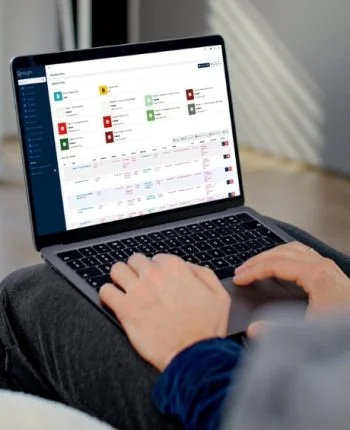
Real-time dashboards are one of the most useful CRM reporting features for modern businesses. Dashboards provide a visual overview of important business metrics in one centralized location. Employees and managers can access live updates about sales, customer interactions, marketing activities, and operational performance.
Real-time reporting helps businesses react quickly to changes and make informed decisions without waiting for manual reports. Instant access to data improves efficiency and supports better strategic planning.
Employee Productivity Reports
Businesses need to understand how efficiently their teams are performing. CRM software provides productivity reports that track employee activities, completed tasks, follow-ups, sales performance, and customer interactions.
Managers can identify high-performing employees as well as areas where additional training or support may be needed. Productivity reports help improve accountability and encourage better team performance across departments.
Revenue Forecasting and Financial Reports
Accurate financial forecasting is essential for business planning and long-term growth. CRM reporting tools analyze sales trends, customer behavior, and historical data to help businesses predict future revenue more effectively.
Revenue forecasting reports allow companies to plan budgets, allocate resources, and prepare for market changes with greater confidence. Businesses that understand their financial performance can make smarter investment and operational decisions.
Customer Retention and Loyalty Reports
Customer retention is often more profitable than constantly acquiring new customers. CRM software helps businesses track customer retention rates, repeat purchases, and loyalty program performance through detailed reporting features.
These reports allow companies to identify loyal customers and understand why some customers stop engaging with the business. Businesses can then improve retention strategies and strengthen customer relationships over time.
Customizable Reporting Features
Every business has unique goals and operational requirements, which is why customizable reporting is an essential CRM feature. Businesses should be able to create reports that focus on specific metrics, departments, or performance indicators relevant to their needs.
Customizable reports provide flexibility and ensure organizations can monitor the data most important to their success. Tailored reporting also helps businesses improve efficiency by reducing unnecessary information overload.
Data Accuracy and Centralized Reporting
One of the biggest challenges businesses face is inconsistent or outdated information across different systems. CRM software centralizes business data and ensures reports are based on accurate, updated information.
Centralized reporting reduces errors and improves consistency across departments. When employees and managers work with reliable data, decision-making becomes more effective and business operations become more organized.
Mobile Access to Reports
Modern businesses often operate remotely or across multiple locations, making mobile access to CRM reports extremely important. Cloud-based CRM systems allow employees and managers to access reports from smartphones, tablets, or laptops anytime and anywhere.
Mobile reporting improves flexibility and ensures decision-makers always have access to important business insights. This supports faster responses and better communication across teams.
Security and Data Protection in Reporting
CRM systems often contain sensitive customer and business information, making data security a top priority. Reliable CRM software includes security features such as encrypted storage, user access controls, and secure backups to protect reporting data.
Secure reporting systems help businesses maintain customer trust and comply with data protection standards. Protecting sensitive information is essential for maintaining strong customer relationships and avoiding security risks.
Choosing CRM Software With Strong Reporting Features
When selecting CRM software, businesses should carefully evaluate reporting capabilities. Important features include ease of use, real-time analytics, dashboard customization, automated reporting, and integration with other business tools.
A CRM system with strong reporting functionality helps businesses improve efficiency, increase transparency, and make data-driven decisions. Investing in the right reporting tools can significantly improve overall business performance.
Conclusion
CRM reporting features have become essential for businesses that want to improve decision-making, customer relationships, and operational efficiency. From sales tracking and customer behavior analysis to marketing performance and financial forecasting, reporting tools provide the insights businesses need to grow successfully in competitive markets.
As organizations continue adopting digital solutions, platforms such as Instacare.com.pk help businesses streamline operations and improve customer relationship management through advanced technology solutions. Investing in reliable CRM Software in Pakistan can help companies gain valuable insights, strengthen customer engagement, and achieve sustainable long-term business success.