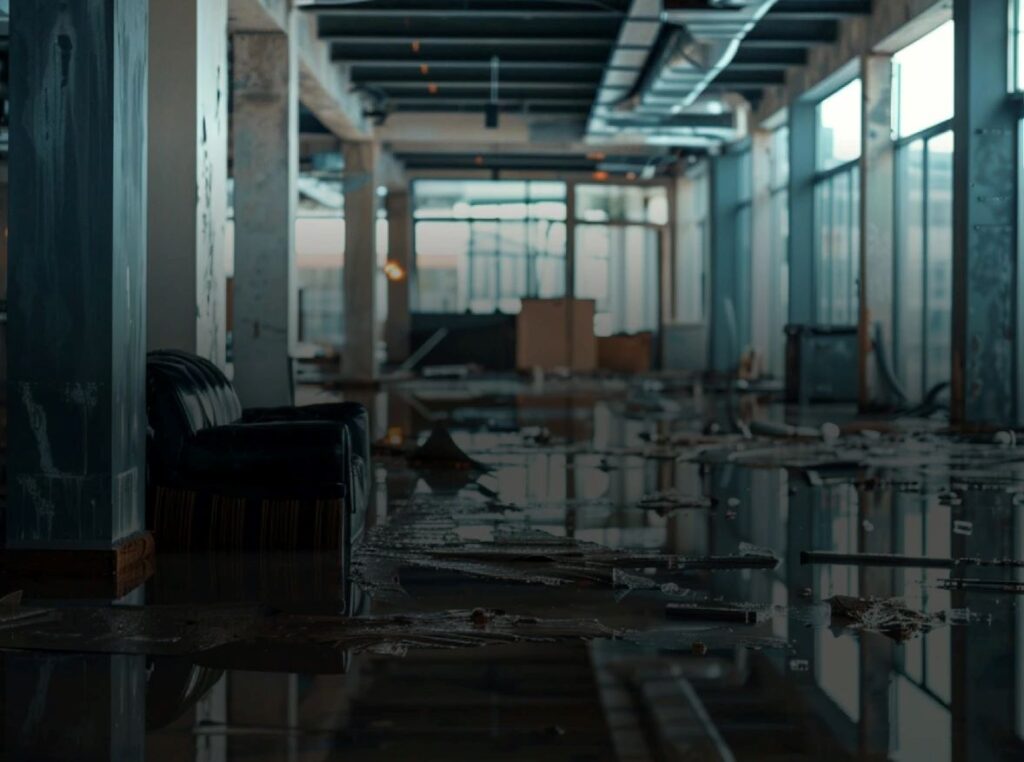
One of the most troublesome problems a commercial property owner can encounter is damage caused by water. A leaky roof, flooded from storm damage, a plumbing break, or a burst pipe can affect everyday operations, damage assets, and pose safety risks to employees and customers in no time. Knowing this restoration process enables the property owner to respond and minimize downtime effectively.
This guide will cover the essential steps of commercial water damage restoration and the role professional services play in helping businesses recover quickly.
Understanding Commercial Water Damage
There are a lot of things that can be found in commercial properties that can be valuable, be they a large occupied space, pieces of equipment, or a system. Water intrusion can impact:
- Offices and workspaces
- Retail stores
- Warehouses
- Healthcare facilities
- Educational institutions
- Hospitality properties
In the case of a facility, the restoration will need to be facility-specific and may involve a larger area of damage and disruption of a commercial building’s operations.
Common Causes of Water Damage in Commercial Buildings
There are a number of issues that can cause major amounts of water damage to a commercial property:
- Prevent water pipes from bursting or leaking
- HVAC system malfunctions
- Roof leaks
- Sprinkler system failures
- Severe storms and flooding
- Sewer backups
- This is the problem with appliances or equipment leaking
Commercial water damage restoration services that identify these issues early will help make sure they are not as severe and don’t result in the need for significant repairs or damage to the structure.
The Commercial Water Damage Restoration Process
There is an organized process that professional restoration teams use to restore a property quickly after a restoration incident affects it.
Emergency Assessment and Inspection
A comprehensive survey of the impacted regions is the first step. To diagnose, advanced moisture detection tools are used by the restoration professional to ascertain:
- A collection of rainwater that lets it into the roof
- The damage in terms of severity and area
- Moisture areas that cannot be seen
- Potential safety hazards
Restoration technicians are able to develop a successful restoration plan through a detailed assessment.
Water Extraction and Removal
Standing water should be removed as soon as possible to avoid further damage. Robust extraction and pumping systems reduce excess water in the floor, carpets, and building materials.
Commercial water damage restoration responds promptly, and the threat of mold and damage is minimized.
Drying and Dehumidification
Moisture can get trapped in the ceiling, floor, and wall surfaces even after the water has been cleaned off. To remove any remaining moisture, industrial drying equipment is employed.
Some of the equipment it may need includes:
- Commercial air movers
- Industrial dehumidifiers
- Moisture monitoring devices
- Air filtration systems
When drying is done properly, it can prevent long-term damage and indoor air pollution.
Cleaning and Sanitization
When water damage is present, it can introduce contaminants, particularly when flooding or sewage backup is involved. Sanitation and professional cleaning must be done to achieve a safe environment.
This period can contain:
- Surface cleaning
- Odor removal
- Antimicrobial treatments
- Content cleaning and restoration
It is important that employees and customers can return to a property safely with the assistance of effective commercial water damage restoration.
Restoring Damaged Materials
Dry and clean building materials might require repair or replacement where they have been damaged. The following is a list of the subject areas that are often dealt with by restoration experts:
- Drywall replacement
- Flooring repairs
- Ceiling restoration
- Painting and finishing work
- Structural repairs
The intent is to restore the property to its pre-loss condition in as efficient a manner as possible.
Choosing the Right Restoration Partner
Property owners need to choose a restoration company with the following characteristics in mind:
- 24/7 emergency response
- Commercial restoration experience
- Certified technicians
- Advanced drying equipment
- Effective communication with all stakeholders throughout the project
With an experienced provider, it can be a smooth process and get businesses up and running more quickly.
Conclusion
Commercial properties are vulnerable to water damage, which can cause major financial and operational losses. If a disaster occurs, property owners can make decisions about restoration based on their knowledge of how to proceed.
Through the professional services of a commercial water damage restoration company, businesses can sufficiently and quickly restore to normal operation, protect vital assets, and recover with confidence.